
Last rev: LC500 and Lexus' final naturally aspirated V8
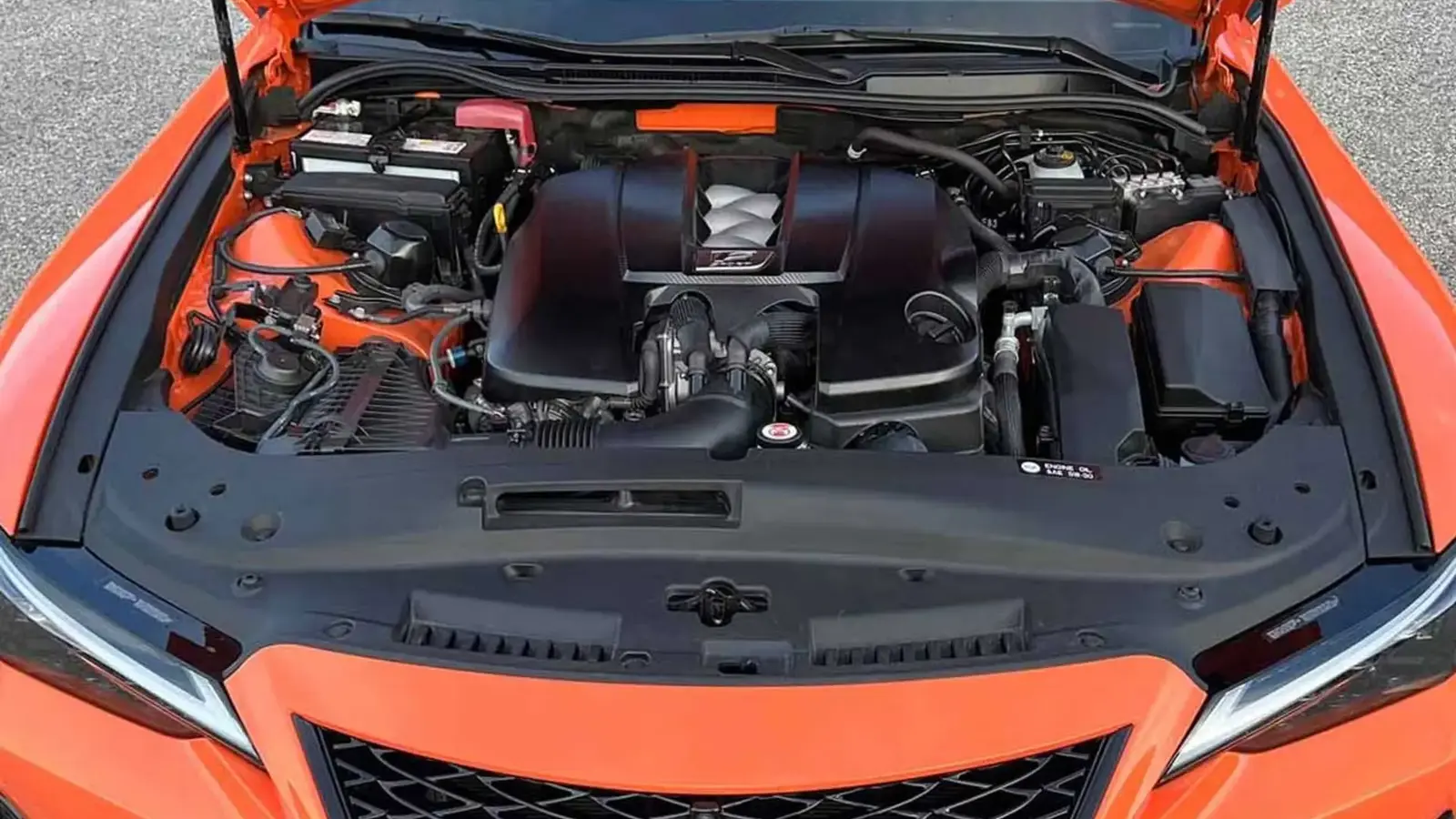
Next month the Lexus LC500 coupe and its celebrated 5.0-liter naturally aspirated V8 will roll off the assembly line for the final time. That single move marks an unmistakable pivot: Lexus is formally closing the chapter on V8 engines in its lineup. For enthusiasts, the announcement is bittersweet — a strategic step toward downsized turbo engines, hybrids and electrification, but also the end of a distinctive sound and driving ritual that defined Lexus flagship models for more than three decades.

A sound that helped build a luxury brand
From the launch of the original LS400 in 1990, V8 powerplants were more than mechanical components for Lexus — they were a statement. The 1UZ-FE 4.0-liter all-aluminum V8 debuted under the LS400 and helped prove Toyota’s audacious luxury ambitions. At a time when competitors squeezed modest power from larger displacements, the 1UZ-FE produced impressive output, refinement and an unmistakable high-rev character that automotive journalists compared to "tearing silk" high in the rev range.

How the V8 lineage evolved
Over the years the UZ family expanded and matured. Key milestones include:
- 1UZ-FE (4.0L) — introduced on LS400, later upgraded with variable valve timing for more power.
- 2UZ-FE (4.7L) — tuned for torque and durability in SUVs like the LX470 and GX470.
- 3UZ-FE (4.3L) — used in LS430, GS430 and SC430, praised for resilience and smoothness.
- 1UR-FE and 2UR/3UR families (4.6L to 5.7L) — featured D-4S direct/multi-point injection and higher outputs, underpinning models such as LS460, LX570 and the high-revving 5.0L 2UR-GSE.
Each generation emphasized refinement, reliability and a tonal character that became part of Lexus’ luxury identity.

The 5.0-liter masterpiece: power, revs and emotion
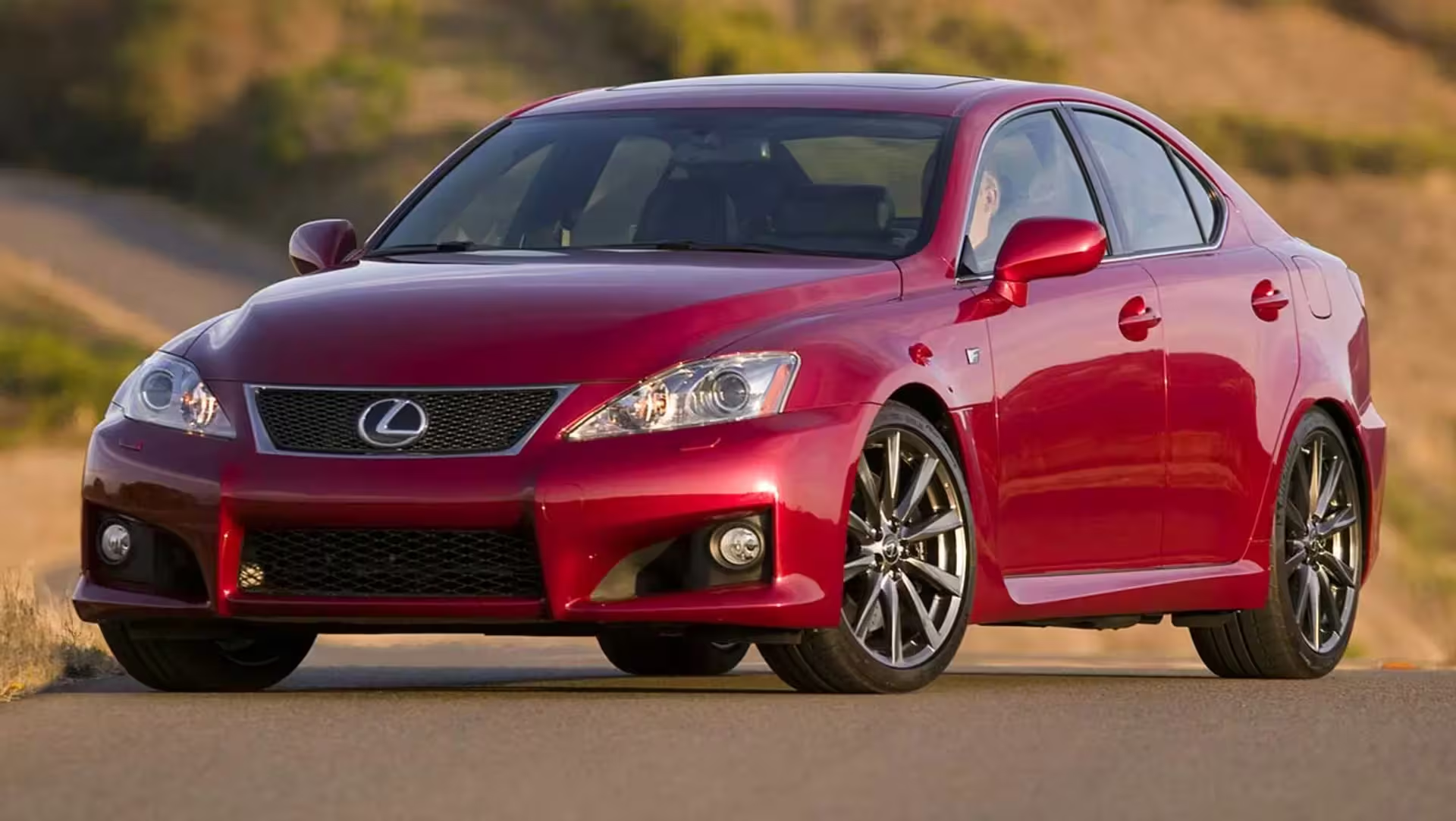
The 5.0-liter V8 that people remember most first appeared in the IS F in 2008. It delivered aggressive power and a 6,800 rpm redline that was unusual for large-displacement Japanese V8s. Tuned over time, it later pushed redline figures past 7,000 rpm and appeared in performance models such as the RC F, GS F, IS500 and, ultimately, the LC500 — where it produced upwards of 470 horsepower and abundant torque.
What set this engine apart wasn’t raw lap times alone: it was the visceral experience of revving a naturally aspirated V8 to the limiter, the linear power delivery and the soundtrack. In a market that increasingly favors turbocharging and electrification for efficiency and packaging, the Lexus V8 remained an analog counterpoint — a reason some buyers chose Lexus performance models over quicker turbocharged rivals.
Market context: why Lexus is moving on

Automakers worldwide face emissions regulations, stricter fuel economy targets and changing buyer demand. Turbocharged smaller engines, hybrid powertrains and full electrics offer better fuel efficiency and often improved low-end torque, making them attractive for fleet compliance and everyday usability. Lexus has already shifted flagship models — the LS dropped its V8 in 2018 in favor of twin-turbo sixes and hybrids, and the LX followed suit as newer generations adopted V6-based powertrains. With LC production ending, the remaining V8s are gone.
What Lexus gains — and what it loses
- Gains: improved fuel economy, lower CO2, platform flexibility for hybrids and EVs, and broader market appeal.
- Loses: a unique exhaust note, the naturally aspirated revving experience, and a portion of the brand’s mechanical personality cherished by fans.
"The V8 didn’t just move the car — it gave Lexus its voice."
Performance and specs highlights
Specifications evolved across models, but the final 5.0-liter 2UR-GSE variants delivered figures that remain impressive for a naturally aspirated engine in the modern era:
- Displacement: 5.0 liters
- Peak power: ~470–471 hp (varied by application)
- Peak torque: ~540 Nm (specs varied by tune)
- Redline: raised to 7,300 rpm on later performance models
- Transmission: typically paired with eight-speed automatic gearboxes driving the rear wheels
Comparisons: V8s vs turbocharged engines and EVs
Turbo engines offer higher torque at low rpm and improved efficiency; EVs have instant torque and zero tailpipe emissions. But neither fully replicate the linear throttle response, high-rev behavior and acoustic character of a naturally aspirated V8. For many buyers, that emotional connection — the way a V8 builds to the redline and sings — mattered as much as lap times or efficiency numbers.

Final notes — a sentimental goodbye
The retirement of the LC500 and its 5.0-liter V8 is emblematic of a broader industry shift. Lexus is adapting to regulations and future mobility demands, but in doing so it is retiring one of the purest expressions of internal-combustion drama the brand offered. Collectors and enthusiasts will likely preserve the last LC500s and IS500s as important pieces of automotive history — machines that captured a unique blend of refinement and performance.
For now, the roar of Lexus’ V8s will move from showroom floors to garages and archives, remembered as an essential chapter in the brand’s evolution. As manufacturers accelerate toward electrification, that sound — and the visceral driving ritual it accompanied — becomes a rarer, more treasured thing.
Highlights:
- LC500 production ends next month; the 5.0L naturally aspirated V8 is retired.
- Lexus V8 lineage spans from the 1UZ-FE through the high-revving 2UR-GSE.
- Industry trends favor turbocharged and electric powertrains for efficiency and emissions.


Leave a Comment
Comments
No comments yet. Be the first.