
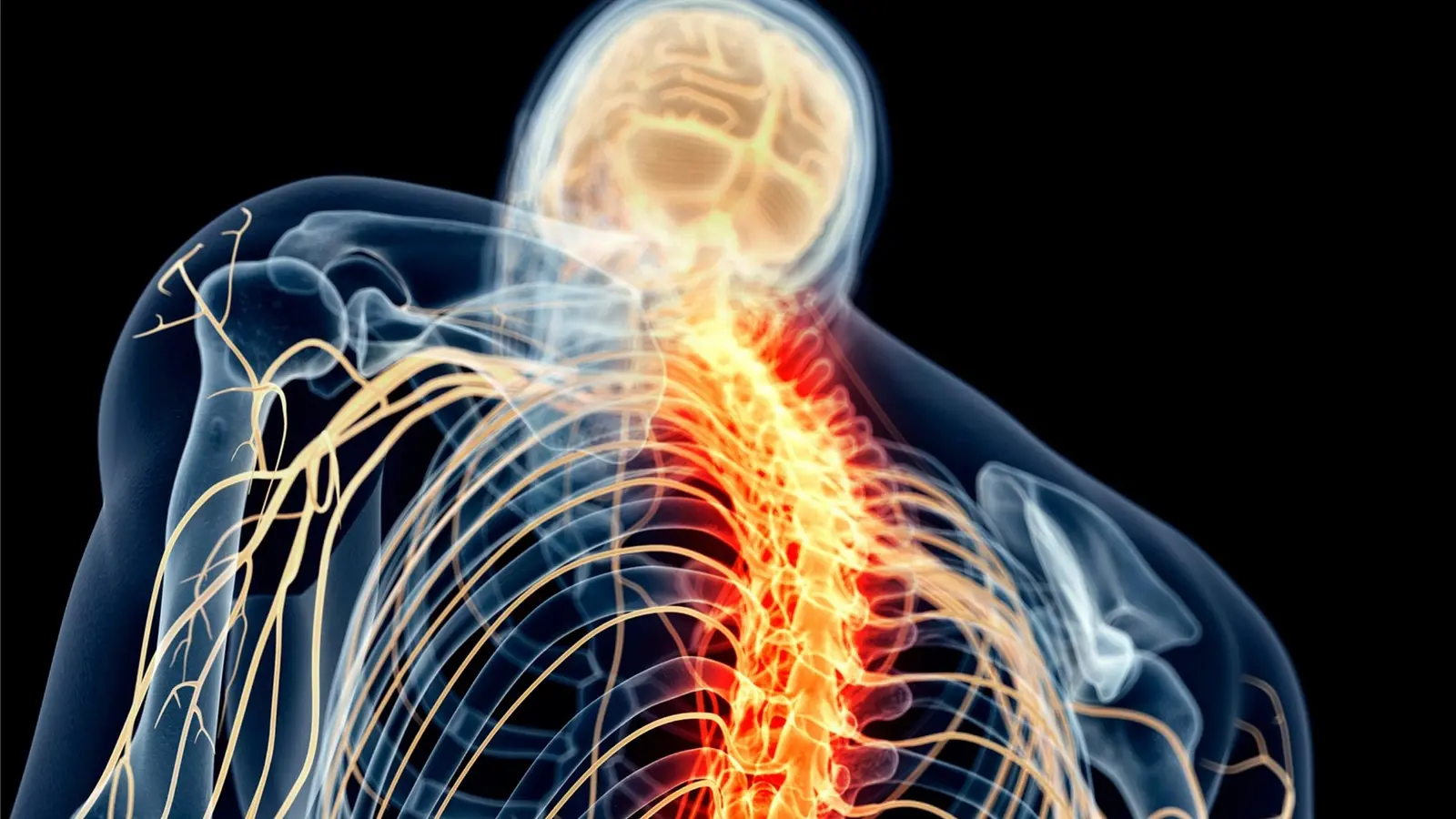
Imagine a tiny traffic officer at the scene of a catastrophic pileup, raising an arm to slow the frantic flow and clear a path for rescuers. In larval zebrafish, a similar scene plays out at the microscopic level after spinal injury: certain immune cells issue a molecular command that transforms a destructive immune reaction into a repair-friendly one.
Spinal cord damage in humans typically triggers a storm of inflammation that hardens into scar tissue, sealing off any hope of axons crossing the injury site. Zebrafish, by contrast, manage to steer the immune response so precisely that nerve fibers regrow and swimming ability returns. Researchers at the Center for Regenerative Therapies Dresden (CRTD) at TU Dresden, together with colleagues at the University of Edinburgh, set out to uncover how that difference is achieved. Their results, published in the Journal of Neuroinflammation, point to a small but decisive molecular cue: IL-4.
Neutrophils—the white blood cells first on the scene—were long thought to be blunt instruments that simply clear debris. The new study flips that idea. A distinct subgroup of neutrophils releases the signaling protein IL-4 at the injury site. That signal tells other immune cells to stand down before inflammation becomes chronic and damaging. The effect is not subtle; it reshapes the whole local immune landscape and makes room for axon regrowth.
To test the idea, the team used zebrafish larvae and selectively removed the IL-4–producing neutrophils. The result was immediate: inflammatory proteins surged, axon extension stalled, and the animals failed to recover normal movement. Then the researchers did something bold. They delivered IL-4 directly to the injured spinal cord. Even in the absence of those neutrophils, inflammation calmed and nerve fibers bridged the lesion zone.
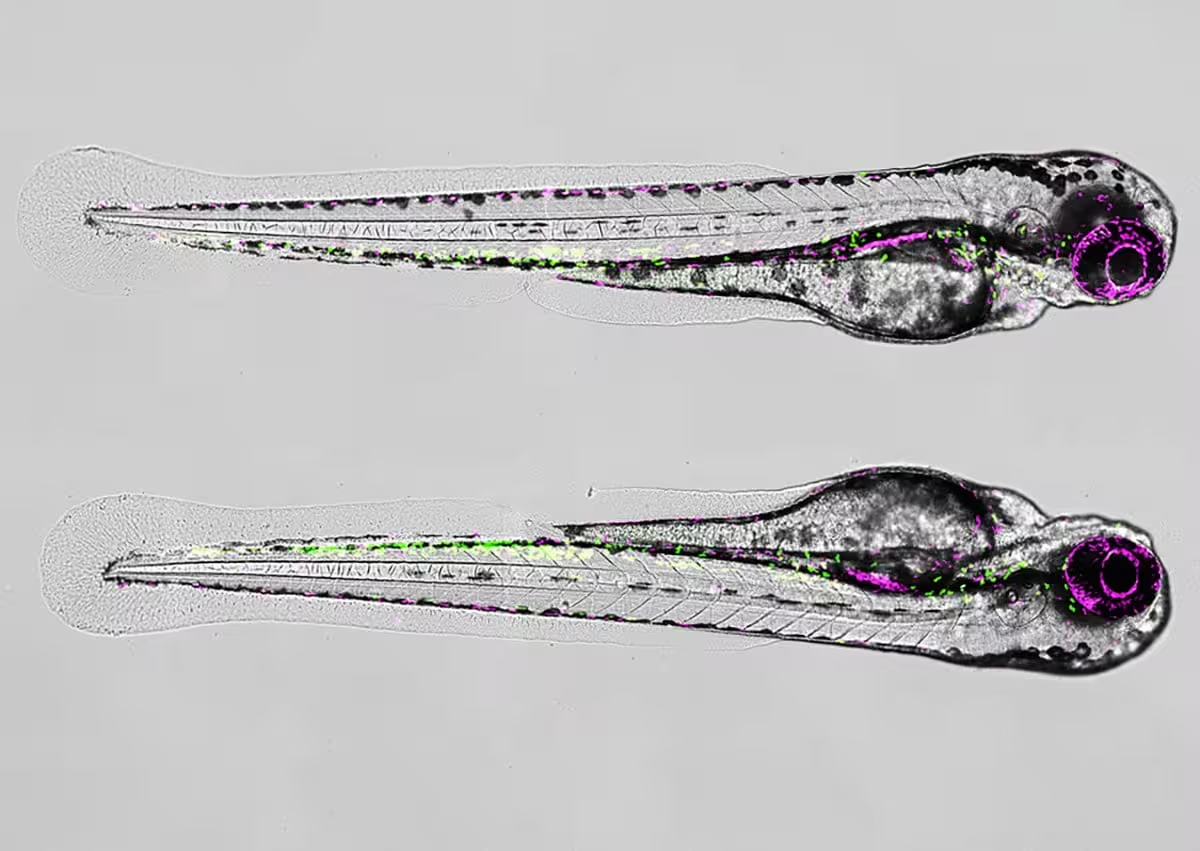
A microscopy image of two 3-day-old zebrafish larvae. The immune cells are labeled with fluorescent proteins: the neutrophil cells are visible in green and the other immune cells in magenta. The similar pattern of distribution of immune cells shows the remarkable consistency within their immune responses, even among distinct individuals. It is precisely these intrinsic mechanisms of regeneration that the researchers in the Becker group at the CRTD are exploring.

Supplying IL-4 to the injury restored regeneration, showing that the molecule itself can recapitulate the neutrophils’ healing cue.
The picture that emerges is one of timing and tone rather than an on/off switch. Regeneration depends less on simply activating or suppressing immunity and more on controlling how long and how strongly inflammatory signals persist. In zebrafish, neutrophils act like conductors: they cue other immune players to return to a state that favors repair rather than prolonged destruction.
Can humans benefit from the same mechanism? That is the critical, unanswered question. Human central nervous system injuries too often tip into maladaptive inflammation that impedes recovery. Whether human immune cells can be coaxed to mimic the zebrafish pattern—using IL-4 or related signals to fine-tune the response—remains to be determined. The zebrafish don’t offer a blueprint for immediate clinical application, but they do provide a compelling target for further study.

Xiaobo Tian, author of the study, and Prof. Thomas Becker, who led the study.
Lead researchers caution that inflammation has protective roles, so any therapeutic attempt would need surgical precision: reduce the harmful persistence of inflammation without disabling the immune system’s capacity to fight infection and clear debris. That balance is delicate. It is also where the most exciting translational possibilities lie.

For now, the work from CRTD and the University of Edinburgh adds an important chapter to our understanding of regenerative immunology: a small population of neutrophils and a single signaling molecule can change the immune conversation at an injury site, converting noise into harmony and opening a path for nerve fibers to reconnect. The next step is to ask whether the same conversation can be had in human tissue—and if so, how we might learn to speak the language of repair.

Leave a Comment
Comments
No comments yet. Be the first.