
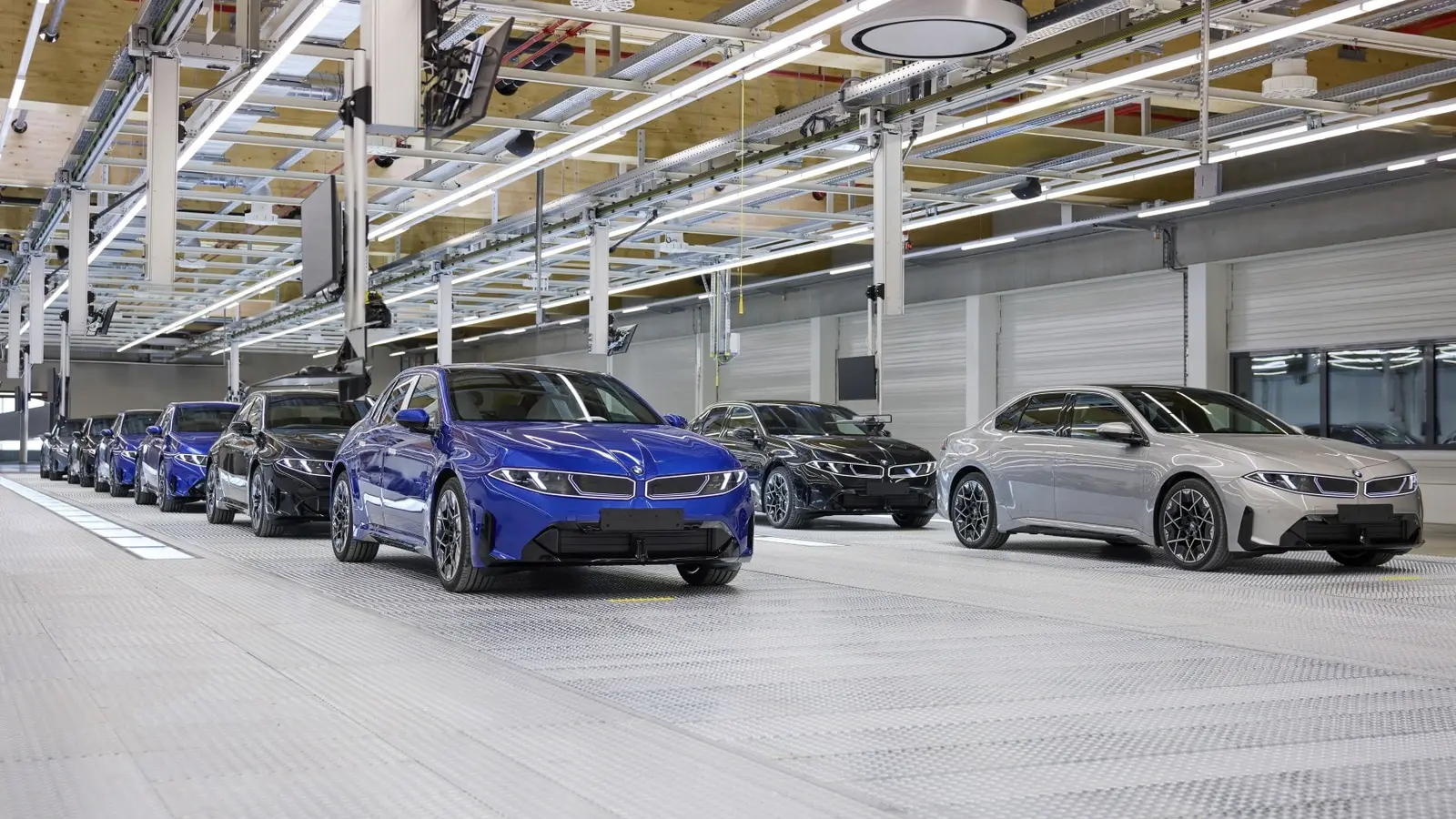
BMW's Neue Klasse i3 Hits Full Production in Munich
BMW has started series production of the 2027 i3 sedan at its historic Munich plant, marking a major milestone in the automaker's Neue Klasse electric offensive. The launch comes after unexpectedly strong early interest, prompting BMW to open order books sooner than planned and accelerate preparations at one of its most storied factories.
A new i3, a new era
This i3 is the third BMW model to carry the name but is a fundamentally new vehicle. Codenamed NA0, the 2027 i3 is built from the ground up on the Neue Klasse EV architecture rather than reusing the previous G28 or the earlier i01 hatchback underpinnings. Designed as a global electric sedan positioned in the center of BMW's lineup, the NA0 is intended to carry the spirit and market role of the 3 Series into the battery-electric age.

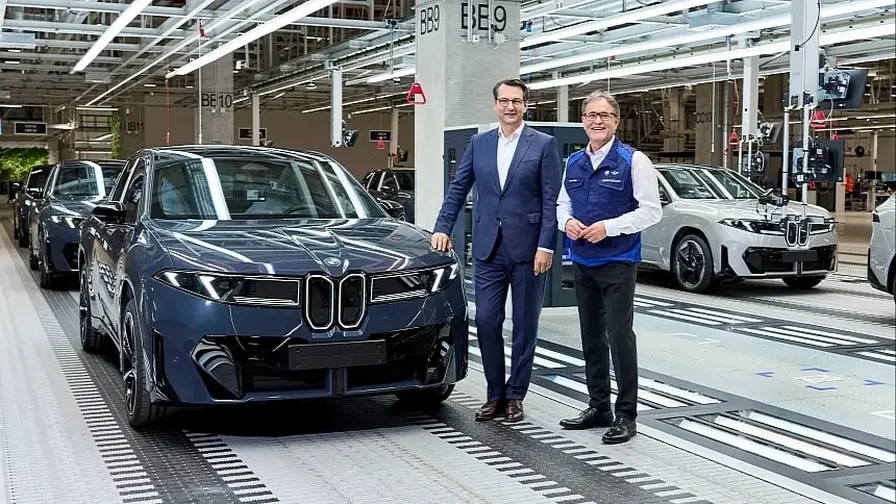
For Munich, the transition to Neue Klasse production meant a major plant modernization. BMW applied its iFACTORY manufacturing concept—focused on automation, digitalization and flexibility—to prepare the plant for the i3's sensors, high-voltage components and modular assembly requirements. Plant manager Peter Weber says the updated processes and the Neue Klasse architecture helped cut production costs by roughly 10 percent compared with previous Munich-built models through increased automation and more efficient workflows.
Powertrain, charging and range highlights
The 50 xDrive variant is the headline model for launch, featuring dual electric motors and a 108.7-kWh cell-to-pack battery. BMW's sixth-generation eDrive and an 800-volt electrical system underpin the package, yielding impressive claimed performance and charging capability.
- Peak DC charging: up to 400 kW (theoretical) — BMW cites the ability to add roughly 400 km (≈249 miles) of range in about 10 minutes under ideal conditions.
- Claimed WLTP range: up to 906 km (≈563 miles) for the 50 xDrive in BMW’s home market.
- Acceleration: 0–100 km/h in about 4.7 seconds.
- Top speed: electronically limited to 200 km/h (≈124 mph).

Real-world charging rates vary: sustained 400-kW charging for long periods remains uncommon due to limited ultra-high-power public chargers and thermal limits on charging systems. Still, the NA0’s fast-charge capability and large battery aim squarely at buyers who want long-range electric mobility with rapid replenishment on long journeys.
Design and positioning
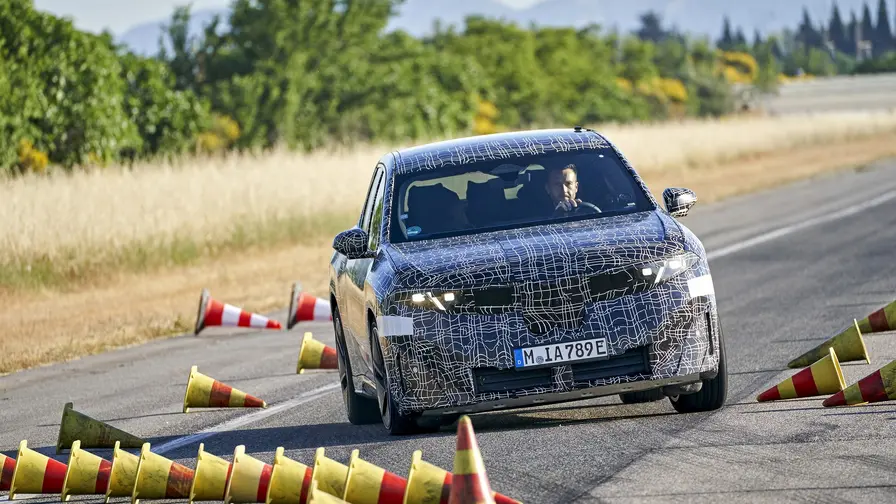
BMW unveiled the i3 earlier in the year as the second model from Neue Klasse after the iX3 SUV. The sedan retains familiar BMW proportions—balanced hood, rear-drive stance cues—while incorporating aerodynamic and packaging benefits from the EV-specific platform. A longroof (estate) version is planned later, broadening the i3 family for customers seeking extra cargo flexibility.
Price and early availability reflect BMW’s premium-sport positioning: the i3 50 xDrive First Edition is priced at €75,340 at launch, a figure that places it in territory comparable to petrol-powered models like the M340i xDrive, but with EV-exclusive tech and range advantages.
Production ramp and market outlook
Pre-production began in February 2026, allowing BMW to validate manufacturing systems, quality controls and logistics. That run-up helped ensure a smoother handover to series production once demand surged. The Munich plant is currently building the sedan version for MY27; the longroof variant joins production later with additional powertrain choices.

Will demand stay strong beyond 2027? That depends on global charging infrastructure rollouts, competitive EV launches from other premium makers, and how quickly consumers embrace higher-range electric sedans as daily drivers and long-trip vehicles.
"The i3 is not just another model—it is the 3 Series' next chapter in electric form," BMW has signaled through its marketing and product strategy. For enthusiasts and fleet buyers alike, the NA0 aims to blend dynamic driving traits, premium appointments, and long-range usability.
Key takeaways:
- The 2027 i3 is a clean-sheet Neue Klasse sedan built in Munich.
- 50 xDrive launches with 108.7-kWh cell-to-pack battery, dual motors, and fast-charging capability up to 400 kW.
- BMW modernized its Munich plant under the iFACTORY program, cutting production costs and increasing flexibility.
- A longroof variant will expand the line later; pricing starts at roughly €75,340 for the First Edition.
Whether the i3 becomes the definitive electric successor to the 3 Series will be decided by real-world range, charging convenience, and how BMW balances driving dynamics with EV efficiency. For now, production in Munich signals BMW's commitment to making the Neue Klasse central to its electrified future.

Leave a Comment
Comments (2)
906 km WLTP... really? Sounds like lab magic, not road range. Anyone with real world tests yet? I’m skeptical, but fingers crossed
Wow Munich back in the game, but 906 km WLTP? If that’s real it’s wild. 400 kW charging sounds great on paper, hope thermals cope, curious to see real numbers