
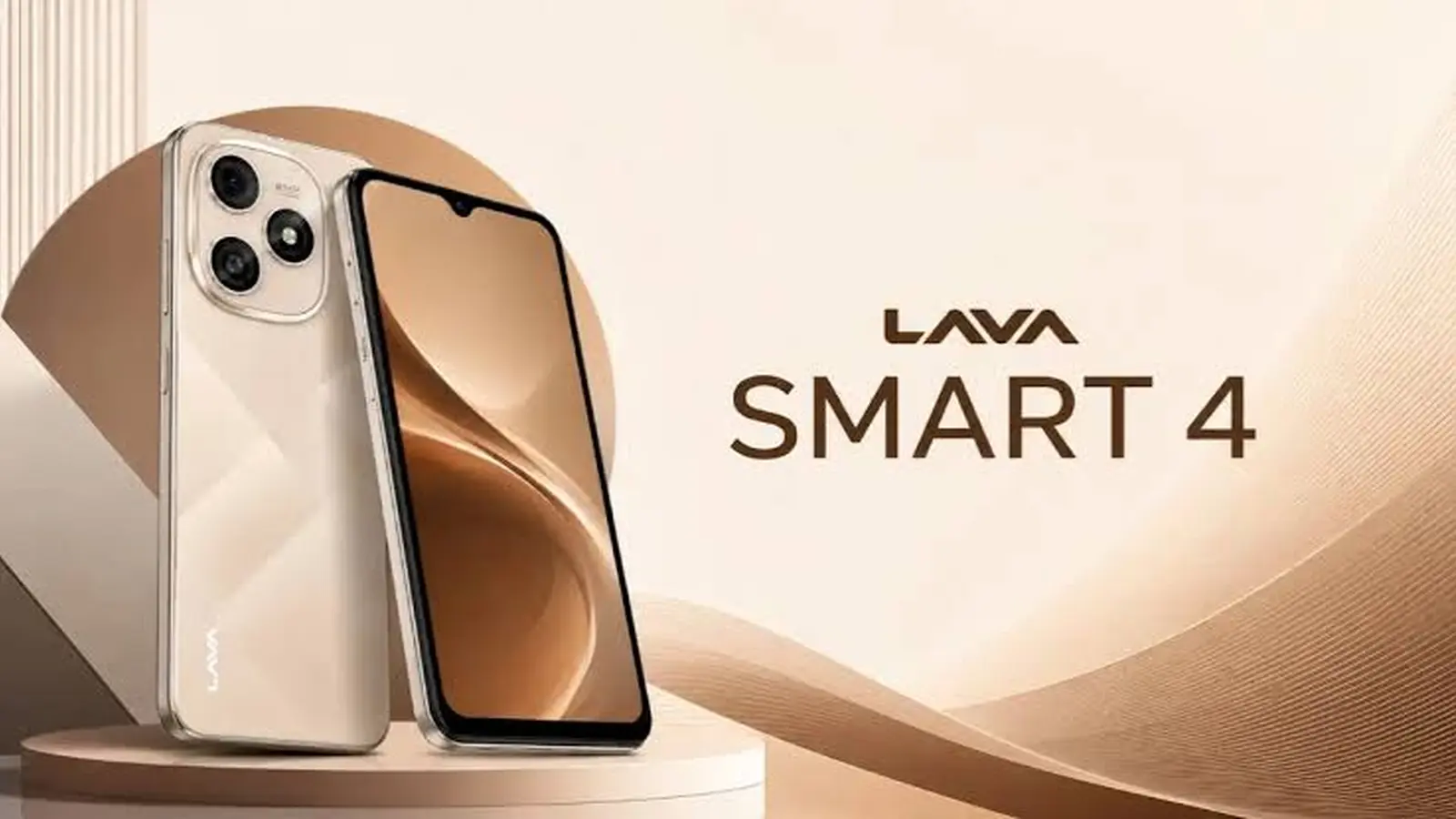
You could be forgiven for thinking Lava went back in time. The Smart 4 lands at INR 8,500 (about $90) and immediately reminds you how tight the mid-decade hardware bar used to be. Cheap price. Cheaper compromises. But there’s more to the story than nostalgia.
The phone wears a 6.56‑inch LCD with a 960 × 540 resolution — yes, that’s 540p and roughly 168 ppi in 2026. Oddly, Lava pairs that low-res panel with a 90 Hz refresh rate, which makes animations smoother even if individual pixels betray the phone on close inspection. A waterdrop notch holds a 5 MP front camera; nothing fancy, but it keeps costs down.
Under the hood sits the Unisoc 9863A, a 28 nm system-on-chip first announced in 2018. Familiar, proven, and not exactly cutting-edge. The real bottleneck, though, is RAM: the Smart 4 ships with just 3 GB. That figure shapes the rest of the experience in obvious ways.

At 3 GB of RAM, Lava ships the Smart 4 with Android 16 Go Edition—regular Android 16 generally expects around 6 GB to run well. The Go build trims background services and app overhead to keep the phone usable for basics: messaging, calls, light browsing. Heavy multitasking? Not its strong suit.
Photography follows the same budget script. An 8 MP main sensor handles everyday snaps. It won’t win awards, but it will capture the moments buyers in this segment care about most: quick family photos, a grocery list shot, a receipt. Powering the device is a 5,000 mAh battery with 10 W charging and a welcome USB‑C port. Long runtimes are very possible; fast charging is not.
Color options are Konark Gold and Ajanta Grey. Distribution will be through licensed Lava retailers across India, so expect it to show up in smaller stores as well as online. The Smart 4 is squarely aimed at first‑time smartphone owners, budget-minded users, and markets where cost trumps performance.

What it exposes, however, is a broader trend: persistent memory and component shortages keep nudging entry-level phones into older silicon and tighter RAM configurations. Manufacturers try to balance price and usability, but sometimes the math pushes devices back toward yesterday’s design choices.
Is that acceptable at the INR 8,500 price point? For many buyers, yes. For anyone wanting longevity, app fluency, and higher-fidelity media, this is a reminder that sub‑$100 phones are a trade-off you should enter knowingly. Watch the Smart 4 if you’re tracking how the budget tier adapts to supply constraints and shifting buyer expectations.

Leave a Comment
Comments
No comments yet. Be the first.