
Volkswagen brings a more usable ID.3 to Britain
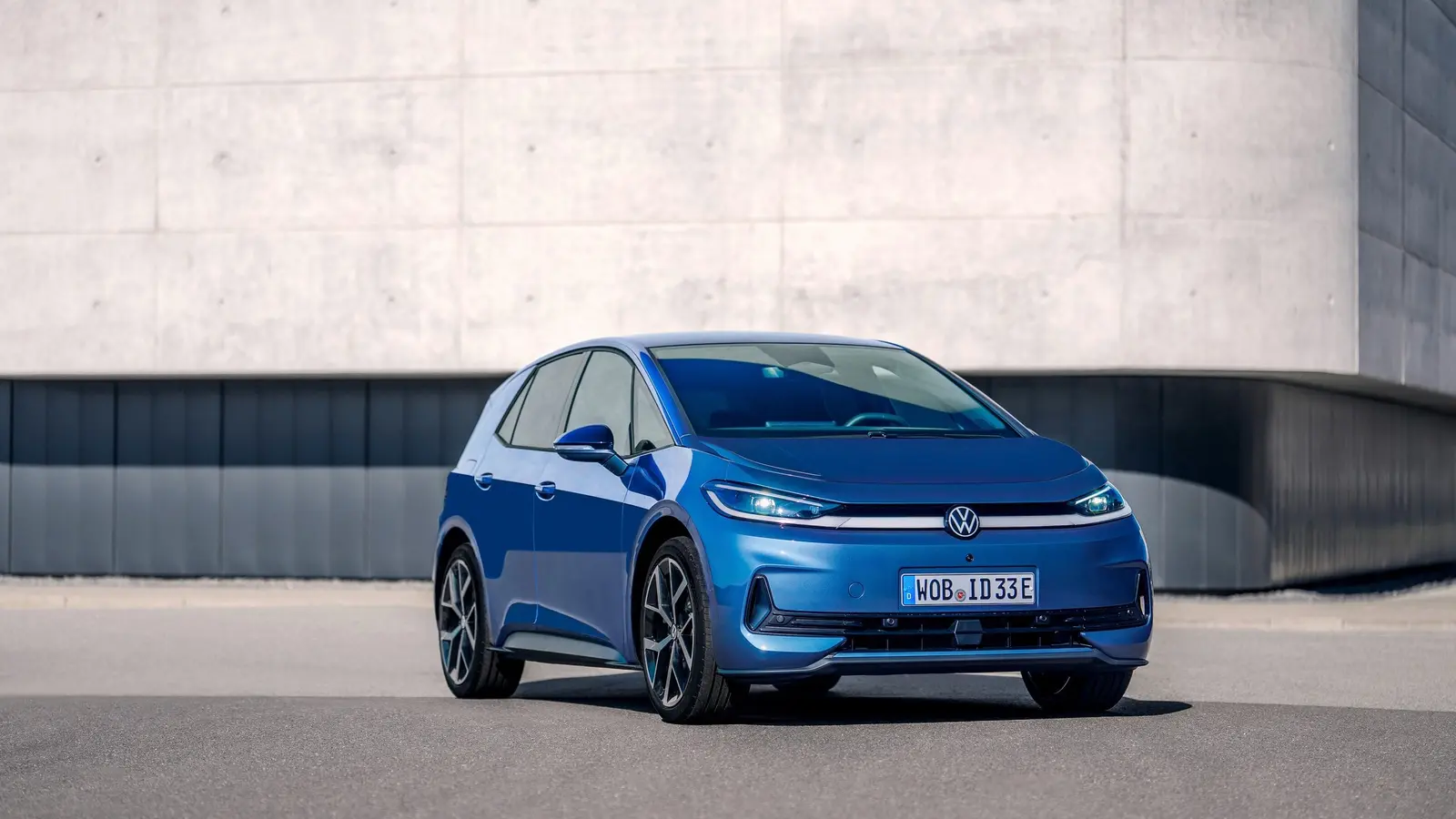
Volkswagen has quietly reworked one of its most important electric hatchbacks for the UK market. The ID.3 Neo, a refresh of the compact EV, arrives in dealers from August 13 with a starting price of £33,080 before the £1,500 government plug-in grant. The update focuses on practicality, range, charging speed and — notably — the return of physical controls after customer feedback criticized the original’s touch-only approach.

What’s new: design, controls and software
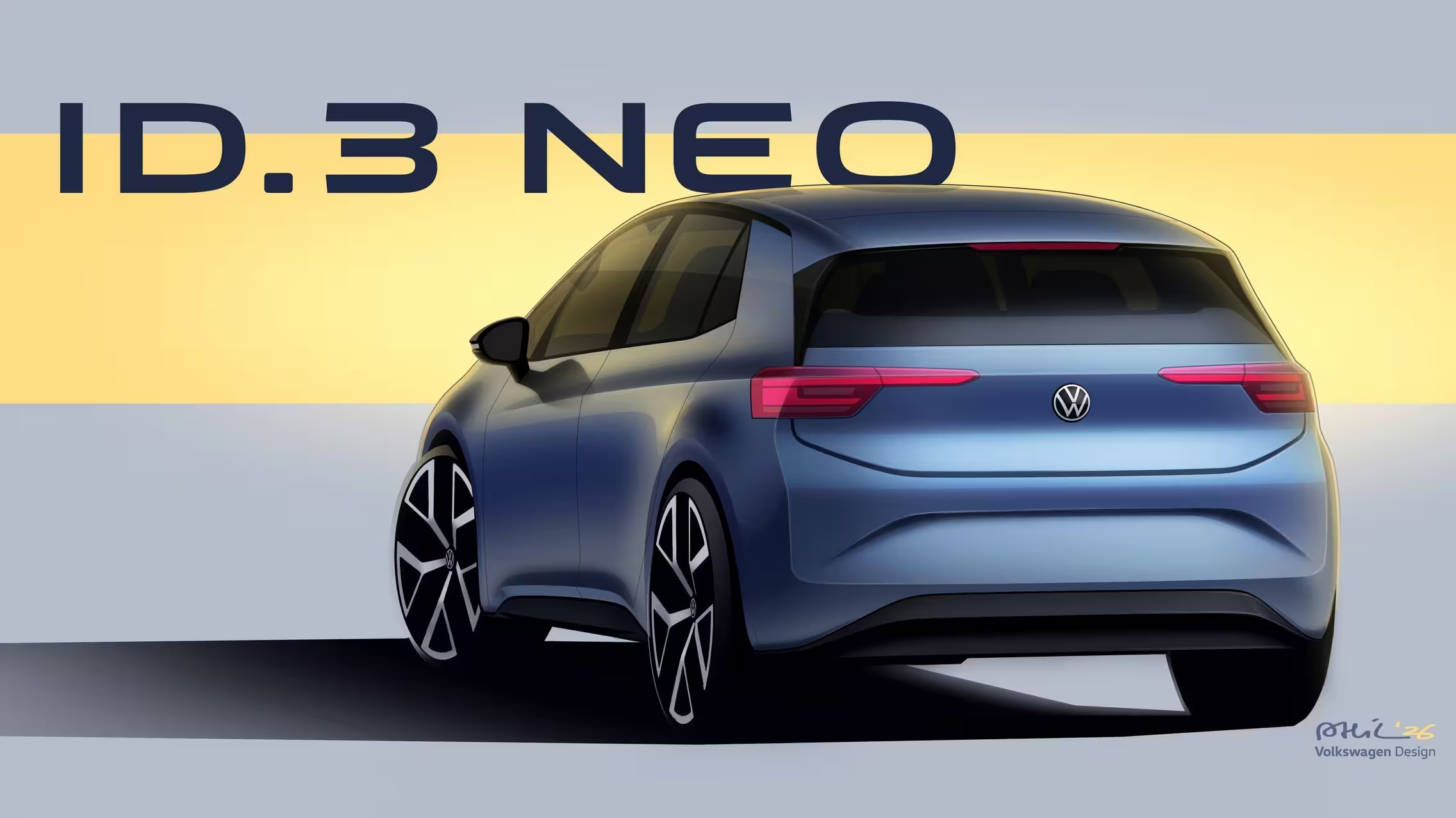
On the outside the ID.3 Neo presents a cleaner, more cohesive look: the contrasting black roof and hatch are gone, replaced by uniform paintwork and body-colour lower trims. The face is revised too, with new headlights connected by a full-width light bar and an illuminated VW badge that lifts the hatchback’s visual presence.
Inside, Volkswagen has answered criticism about materials and ergonomics. Expect better trim, more tactile buttons for frequently used functions and a 10.25-inch driver display. The centrepiece is a 12.9-inch Innovision infotainment screen running updated software with expanded app integration, improved connectivity and access to an in-car digital marketplace. A retro instrument theme that nods to classic VW dials is an unexpected stylistic touch that many buyers will appreciate.

"Customers wanted simpler, smarter controls — and VW obliged," said the company, summing up the Neo's philosophy.
Battery, range and charging
Volkswagen offers three single-motor, rear-wheel-drive battery options in the UK line-up, each improving range over the outgoing model:
- 50 kWh: around 258 miles WLTP (415 km), roughly 168-170 PS, 0-62 mph in approximately 8.6 seconds.
- 58 kWh: about 306 miles WLTP (492 km), around 187 PS.
- 79 kWh: flagship pack delivering a claimed 390 miles WLTP (628 km) and 228 PS, 0-62 mph in about 7.1 seconds.
Charging has been upgraded too. The smaller batteries accept up to roughly 100-105 kW DC, while the 79-kWh pack supports up to about 183 kW, allowing the model to restore a large portion of its charge quickly. Volkswagen quotes a 10–80% DC recharge time of roughly 24 to 29 minutes depending on the battery.
Practical features and tech
Beyond range and charging, the Neo brings a suite of driver aids and conveniences: one-pedal driving mode, upgraded Travel Assist and Connected Travel Assist systems for semi-autonomous support, and vehicle-to-load (V2L) capability. With an optional adapter the car can supply up to 3.6 kW to external devices — useful for power tools, camping or emergency power.
Other mechanical details mirror the previous car: single-motor rear-wheel drive and rear drum brakes on the entry-level versions remain part of the package.
Trim, pricing and market position
UK buyers can choose Life and Style trims, plus a short-run Style Launch Edition. Thanks to the £1,500 government EV grant, the effective starting price for the Life 50 kWh model comes down to around £31,580. That pricing and the long-range 79-kWh variant give Volkswagen a stronger hand against rivals in the compact electric hatch segment, where range, everyday usability and charging flexibility increasingly shape buying decisions.

Highlights:
- Improved interior materials and more physical controls
- Up to 390 miles WLTP from the 79-kWh model
- Faster DC charging and V2L capability
- New exterior styling with full-width light bar and illuminated badge
Why it matters
The ID.3 Neo is more than a cosmetic facelift. It’s Volkswagen’s attempt to fix early criticisms of the ID.3—from fiddly touch interfaces to cabin finish—while pushing the model into a more competitive position with meaningful gains in range and charging. For buyers who want a usable, well-equipped electric hatchback with genuine long-range capability, the Neo is now a much clearer proposition.
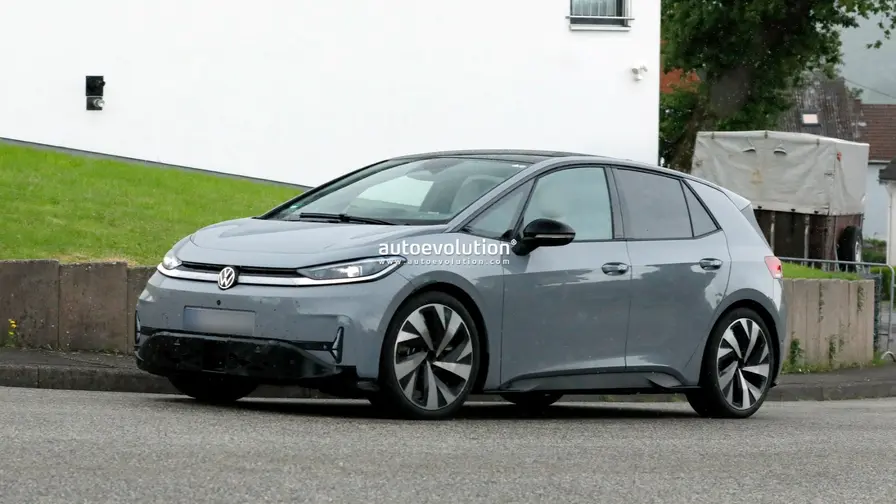
Whether the updates are enough to sway buyers from competitors that emphasize range and charging speed will depend on real-world tests and pricing across trim levels. Still, the ID.3 Neo shows VW is listening and iterating, which in the rapidly evolving EV market is as important as raw numbers.

Leave a Comment
Comments (2)
Is 390 miles WLTP for the 79kWh even believable tho? WLTP != real world, and rear drum brakes on the base trims? odd, seems like corners cut
Wow, VW actually listened? Finally physical buttons, better range, might actully be usable for real trips. Curious about real world charging times… 🤔