
What if growing old gracefully had less to do with eating less and more to do with eating differently? That provocative idea comes from a team at the University of Southern California, who turned a decades-old nutritional intuition into a precise experiment: dial down total protein, but add back a carefully measured amount of one amino acid—methionine.
In a study published in Cell Metabolism, researchers fed 20-month-old mice a plant-forward, low-protein diet modeled on the traditional Mediterranean and Okinawan patterns, then supplemented it with a specific dose of methionine. The result was striking. Mice on that regimen lost body fat while keeping their lean mass, showed less frailty, and spent more of their lives in good health compared with peers eating standard, Western-style, or ketogenic diets.
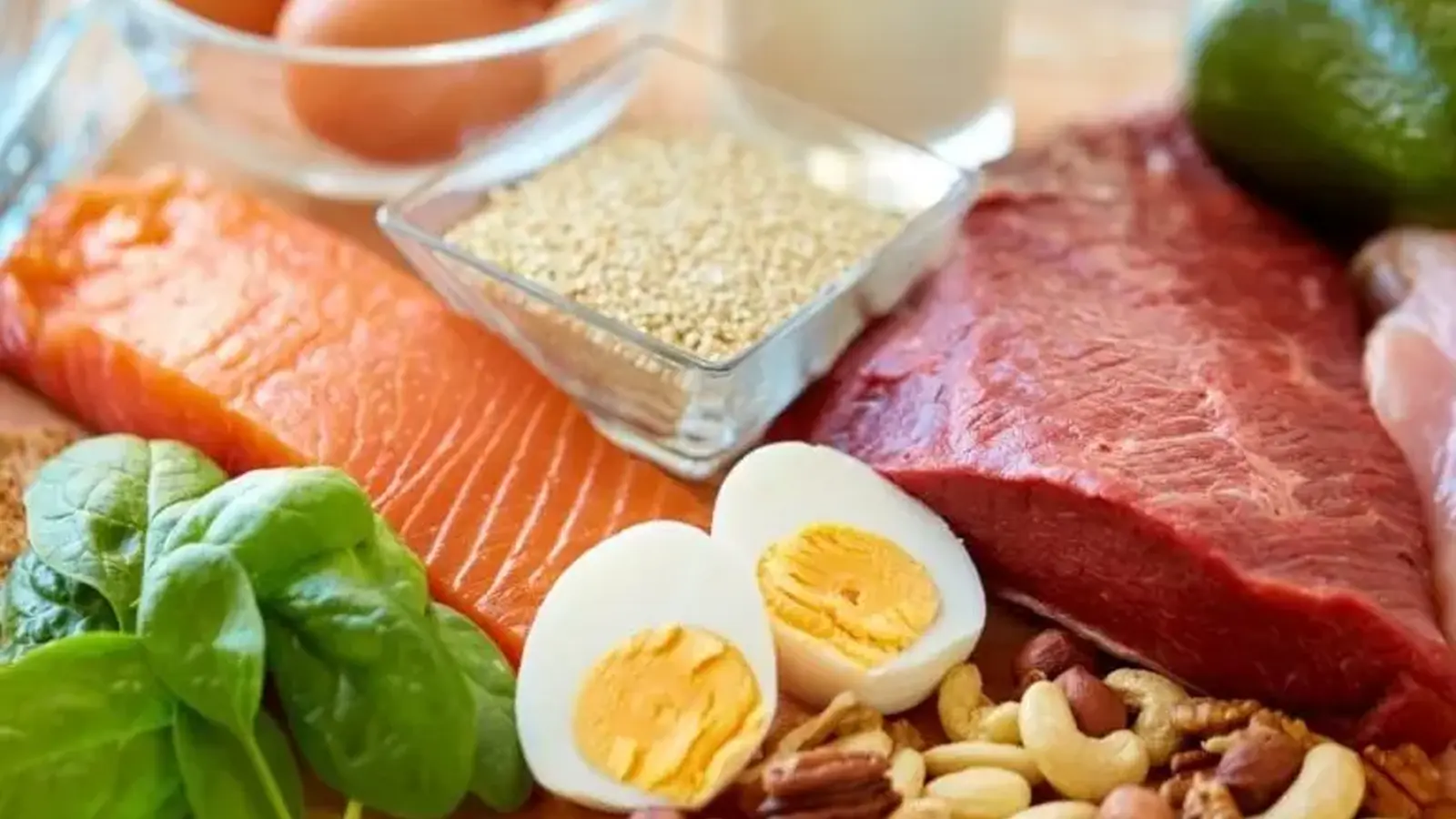
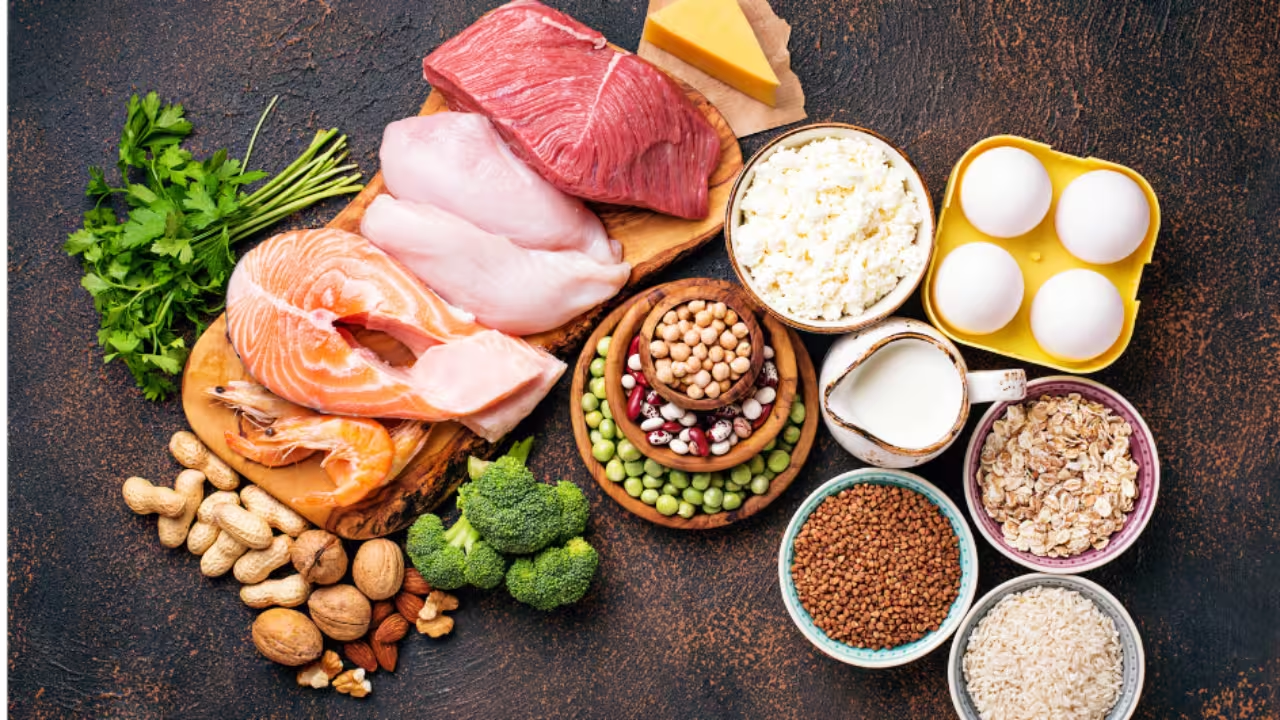
It sounds simple. Eat like long-lived populations, but mind the details. Methionine is an essential amino acid found in eggs, meat, dairy, fish, legumes, nuts and seeds. Too little of it causes problems. Too much, according to these experiments, can erase some of the metabolic perks of a longevity-style diet. The lesson: amino acid balance matters as much as total protein.
Lead authors observed that mice on the low-protein, methionine-modified diet could consume as many calories as animals on other diets and still slim down. They didn’t sacrifice muscle. They didn’t become gaunt. Instead, their bodies seemed to rewire how they handle energy—preferring to shed fat while conserving the tissues important for strength and daily function.
Biochemical clues help explain why. The diet nudged up levels of hormones such as GLP-1 and FGF21, messengers that influence appetite, glucose control and metabolism. GLP-1 is already a hot topic because drugs that act on that pathway are widely used for weight loss and diabetes management. Seeing coordinated hormone changes across multiple metabolic systems in the mice gives researchers a tangible trail to follow as they consider human trials.
Longo and colleagues didn’t stop at the animal work. They also mined dietary and health records from more than 200,000 people. Those analyses found that people consuming the most animal protein—therefore the highest methionine intake—had greater rates of obesity and roughly twice the incidence of diabetes compared with those who ate little or no animal protein. Crucially, that pattern persisted even after accounting for reported calorie intake and other differences in diet.
Correlation is not causation. The human data are observational and can’t prove that methionine or animal protein causes disease. Mouse physiology is not identical to ours. Still, the convergence of experimental and population evidence is suggestive: the composition of protein, not merely its amount, may shape metabolic aging in ways we’re only beginning to understand.
Eating the right mix of amino acids, rather than simply cutting calories, could be a pragmatic route to maintaining muscle and metabolic health with age.
What comes next is a controlled human trial that tests whether a low-protein, methionine-tuned diet can deliver the same benefits in people. That study will have to balance the narrow line between deficiency and excess. Until then, the takeaway is less a new menu and more a new question: can targeted adjustments to protein quality become part of real-world strategies for healthier aging?

Leave a Comment
Comments
No comments yet. Be the first.