
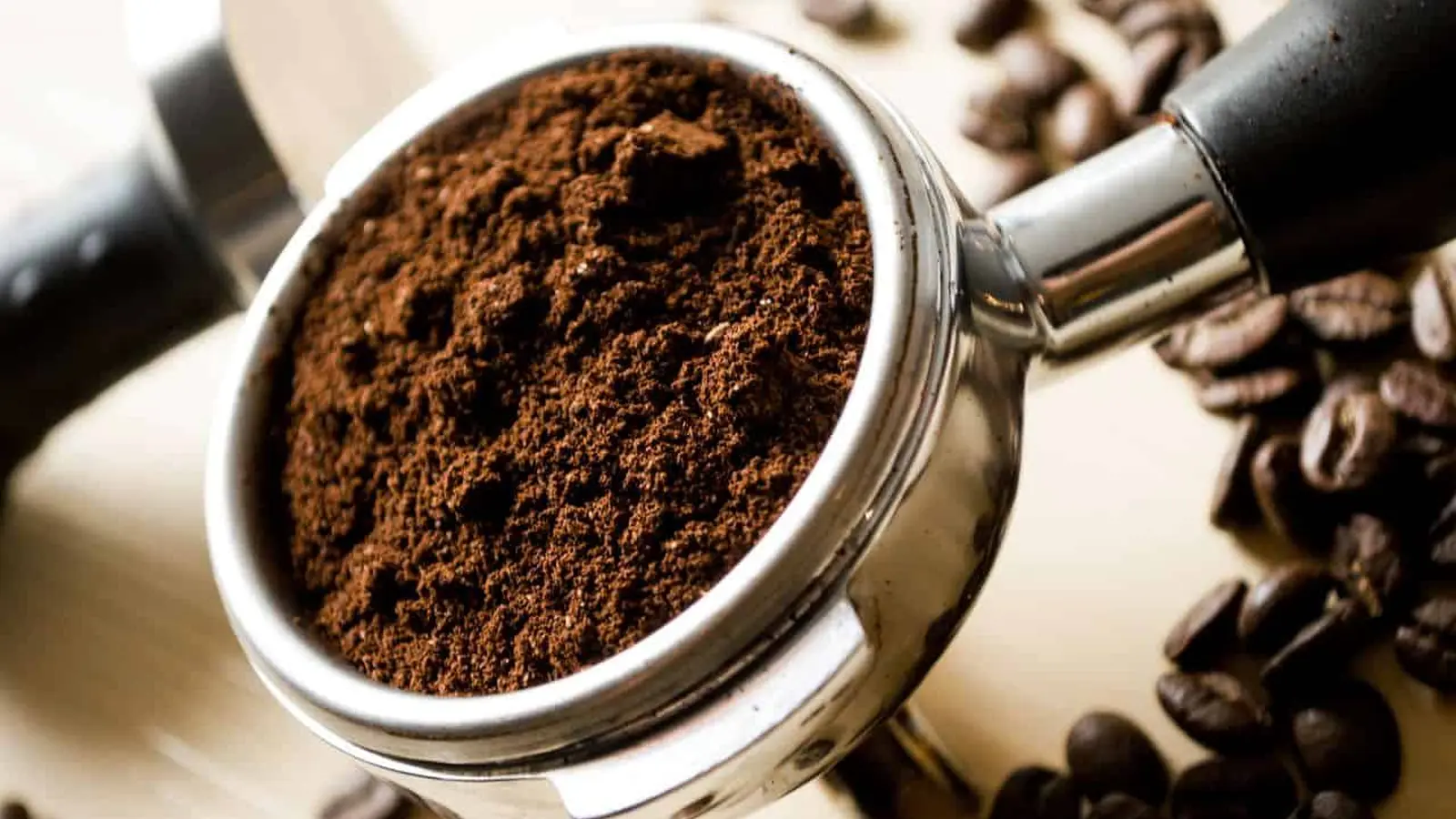
When your morning cup is finished, what you toss into the compost bin might be hiding a small energy treasure. Damp coffee grounds, those dark, oily pucks that clog kitchen drains, still contain usable oils and a complex plant skeleton that researchers say could feed clean fuel and chemical production.
At Universitat Rovira i Virgili, a chemical engineering team set out to squeeze industrial value from that everyday waste. Jorge F. Romero, Alberto Tampieri, Daniel Montané, Magdalena Constantí and Francesc Medina measured more than curiosity; they tested practical conditions that a real biorefinery could use.
Why bother? Because the global coffee chain generates enormous residue. Roughly 10 million metric tons of coffee beans are produced annually, and a sizable portion of each bean stays behind in the spent grounds. Those solids are not inert: they contain about 15% lipids by weight, plus cellulose, hemicellulose and lignin—materials that can be converted into biodiesel, bioethanol, bioplastics, precursors for sustainable aviation fuel and a swath of industrial chemicals.
The trick, the researchers found, is to be gentle. Too aggressive an extraction damages the lignocellulosic scaffold and ruins subsequent conversion steps. So they optimized three variables: temperature, time and solvent amount, using n-hexane, a common fat-separating solvent. The sweet spot? 45°C (113°F), 60 minutes and a ratio of 35 milliliters of hexane per gram of dry residue.

That modest recipe recovered roughly 90% of the oil yield produced by Soxhlet extraction—a laboratory gold standard that is time- and energy-intensive. But the URV method takes less time, uses less energy and produces a cleaner product: the extracted oil contained only about 0.3% impurities versus 3.9% in the Soxhlet oil. Cleaner oil means fewer downstream refining steps before conversion into biodiesel.
Composition stayed steady across conditions. Linoleic and palmitic acids dominated the fatty profile, signposting the material's suitability as a biodiesel feedstock. Yet the study's cleverness lies not just in the oil but in what remains after it is pulled away.
By preserving the lignocellulosic structure, the team left behind a residue that is easier to access with solvents, enzymes or catalysts. Oils often coat biomass and act like a hydrophobic shield; removing them without disrupting the underlying fibers makes later processing—such as producing bioethanol, lactic acid, polyhydroxyalkanoates or aromatic compounds—more efficient.
The URV group also weighed alternatives. Ultrasound- and microwave-assisted extractions can speed oil release, but when impurity levels, energy use, overall efficiency and scale-up challenges are considered, those high-tech shortcuts offered no decisive advantage. For a facility that aims to fractionate a waste stream into multiple marketable products, the moderate, batch-style n-hexane extraction appears to strike the best balance.
Think of it as a small cascade: one industrial residue gives oil for fuel and leaves a structural feedstock for chemicals and materials. That versatility is valuable for sectors that resist electrification—heavy transport and aviation come to mind—where drop-in liquid fuels remain crucial.
Published in Biomass and Bioenergy, the study reads like a practical blueprint rather than a lab trick. The message from Montané and his colleagues is clear: with modest temperature, a measured solvent ratio and a patient hour, a common waste product can be coaxed into multiple revenue streams and a smaller environmental footprint.
So next time you scrape a coffee puck into the bin, ask yourself: are we throwing away the beginnings of tomorrow's fuel, or are we simply still learning how to look?

Leave a Comment
Comments
No comments yet. Be the first.