
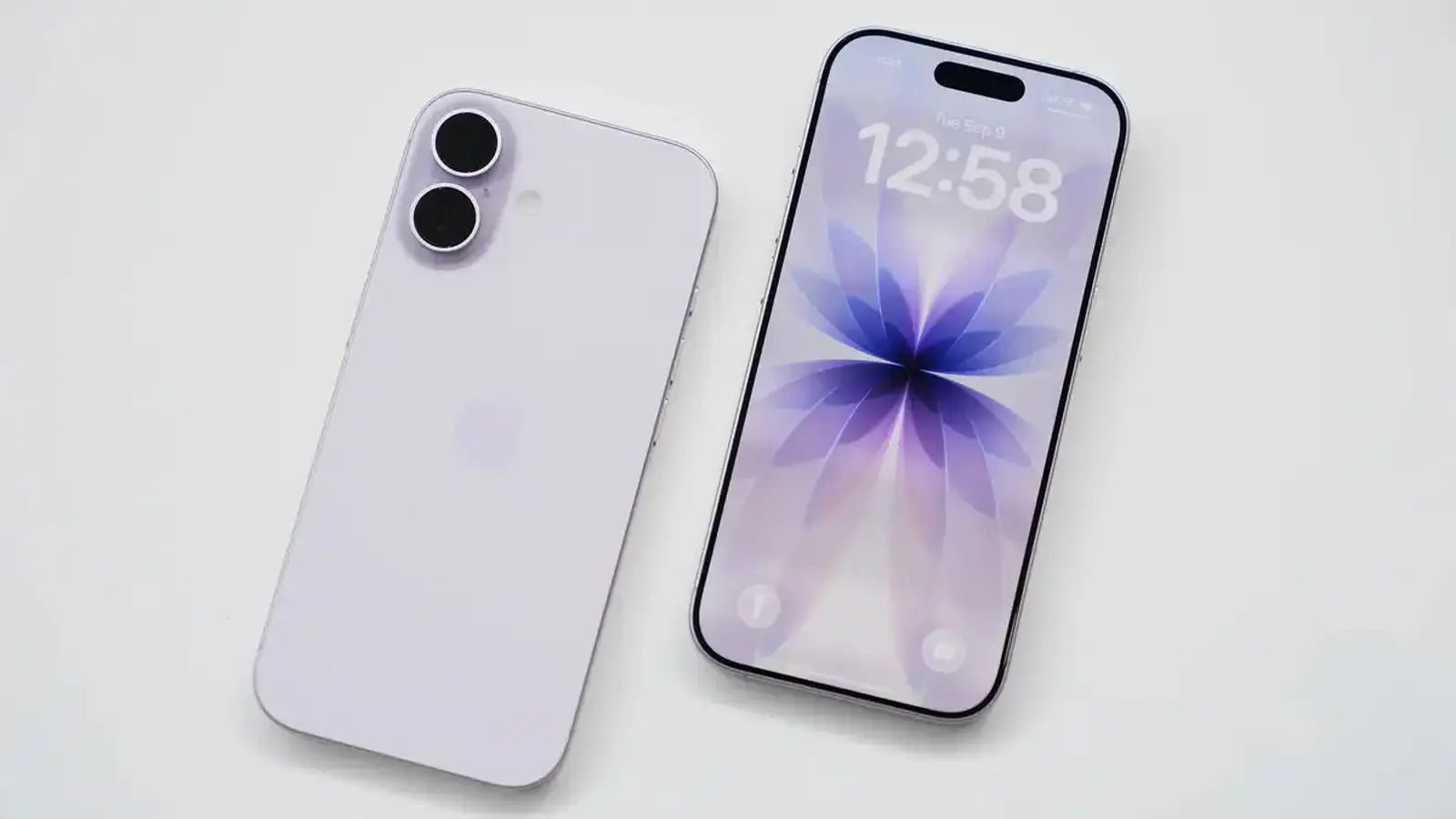
Apple fans lining up in September might not find what they're expecting. New details from supplier Pegatron—spelled out during its Q2 2026 earnings call—suggest the company will introduce only the Pro-tier iPhone 18 models this autumn, pushing the standard iPhone 18 into the first quarter of 2027.
Short sentence. Big implication. Pegatron confirmed the iPhone 18 Pro and iPhone 18 Pro Max are slated for launch next month. But the base iPhone 18, according to the same source, is now projected to appear between January and March 2027. Earlier whispers pointed to a March debut; this report tightens that window.
Why the split? Supply chain pain. Chipset and memory shortages have tightened margins across the smartphone industry, and inventory pressure has nudged component prices upward. There’s talk of a bottleneck in semiconductor manufacturing too—an unseen choke point that can ripple through product roadmaps.
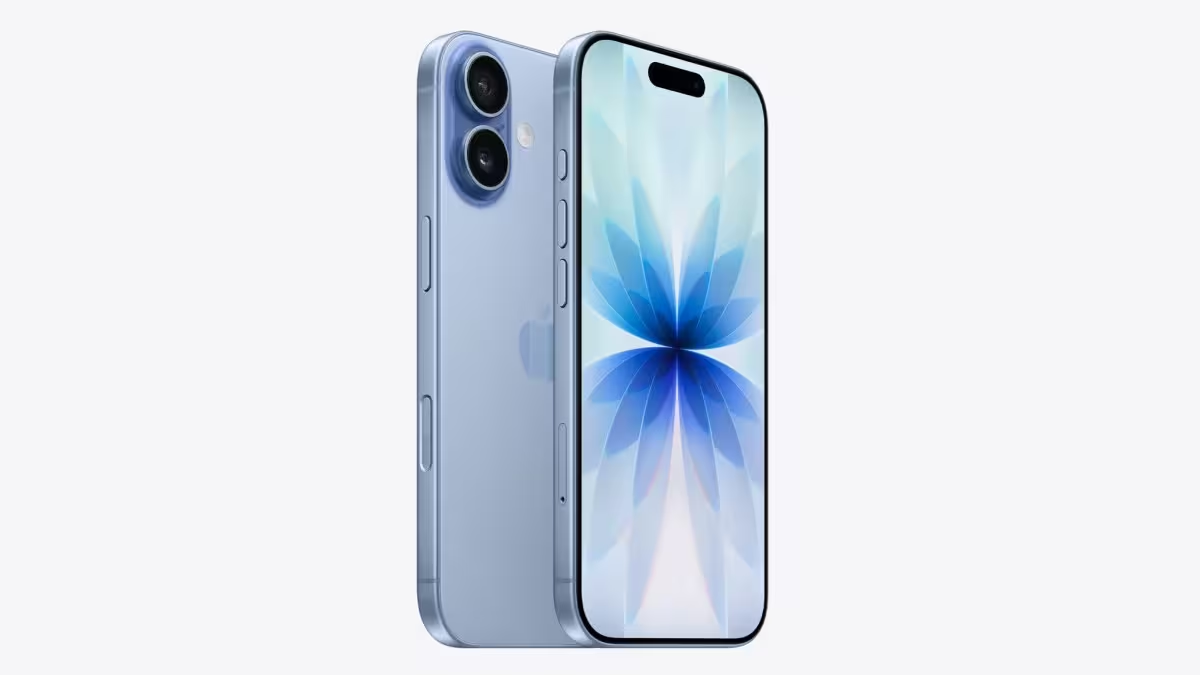
Apple has a pattern. From the iPhone 11 through the iPhone 17, the company typically launched base and Pro models together. Staggering the releases would be a noticeable break from that rhythm. It’s not just scheduling. It’s a strategic gamble. Release the premium models now to maintain market momentum and push production of mainstream SKUs into a quieter window. Or risk confusing buyers who expect a unified lineup each fall.
Rumors about Apple’s September stage are already vivid. The event is expected to showcase the iPhone 18 Pro and iPhone 18 Pro Max alongside what could be Apple's first folding iPhone—an ambitious new device rumored to carry the iPhone Ultra name. If true, that would give Apple headliners to promote even without the base iPhone in the room.
Then come the spring announcements. Reports point to a March 2027 slate that would include the iPhone 18, an iPhone 18e, and a follow-up to the Air line—tentatively called the iPhone Air 2. That staggered rollout could stretch the news cycle in Apple’s favor, keeping headlines active across two seasons instead of one.
If Apple does indeed split its launches, this could mark one of the biggest deviations from its recent product cadence and a clear sign of how supply constraints shape strategy.
There’s risk and reward here. A later base model release might frustrate some buyers and complicate carrier promos. But releasing premium and novel devices now—especially a folding iPhone—could help Apple capture early adopter attention and justify higher price tags during a period of rising component costs.
Whether Pegatron’s timeline holds or another supplier tells a different story, the coming weeks will be revealing. Apple’s calendar is rarely static. Expect twists, product teasers, and, inevitably, more speculation that keeps the tech press busy until the first phones ship.


Leave a Comment
Comments
No comments yet. Be the first.