
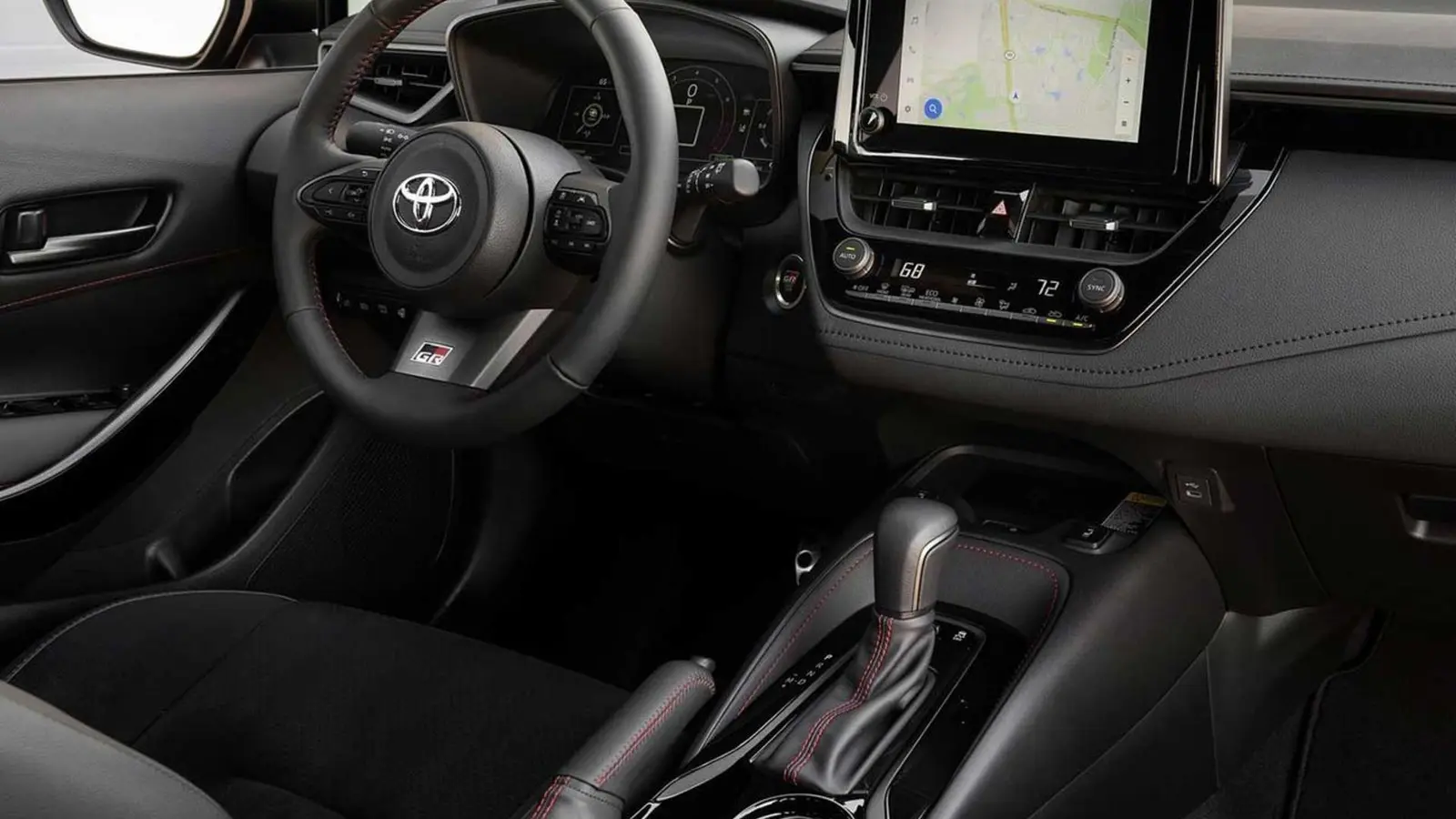
Toyota patents smarter paddle-shifter logic that remembers your intent
Toyota is developing a control system for automatic transmissions that not only interprets driver inputs more intelligently but can also remember them and act as soon as conditions are safe. A newly disclosed patent shows the company is focused on making paddle-shifted automatics feel more like a manual gearbox while preserving mechanical safety.
For decades automatic transmissions with manual-shift modes have been available, but only recently have their responses and sensation narrowed the gap with true manuals. Modern automatics already use complex control software to prevent engine or transmission damage from risky driver commands. For example, a sudden downshift to second gear at 160 km/h in a manual would likely destroy the engine, and automatics traditionally block such commands. Likewise, attempts to start from a standstill in fifth or sixth gear would stall the engine, and current systems prevent that.

How Toyota's idea changes the rules
Instead of flatly ignoring commands that are unsafe at the moment, Toyota's system stores the driver's request and executes it as soon as the engine speed or other conditions fall into an allowable range. In heavy braking scenarios where current gearboxes reject a downshift because the revs are too high, Toyota's control logic would cache the driver's downshift input and engage the requested gear the instant the revs drop—often within a blink or less. The result is a shift behavior that feels both instantaneous and safe.
Key capabilities described in the patent:
- Temporary memory of driver shift commands during unsafe conditions
- Dynamic adjustment of allowable engine speed thresholds for downshifts
- Rapid execution of stored shifts when conditions permit
- Manual override to block undesired upshifts
Dynamic rev thresholds and protection
One clever detail is dynamic rev-threshold management. Under heavy braking engine speed falls rapidly, so the system can temporarily raise the permitted rev limit for a downshift. For instance, a conventional controller might refuse a downshift at 6,000 rpm; Toyota's logic could allow a request to be fulfilled slightly higher, say 6,500 rpm, during intense deceleration. That preserves drivetrain life by preventing abusive engine input while delivering the responsiveness a performance driver expects.
At the same time the system prevents unwanted upshifts that sometimes occur when lifting off the throttle or when nearing the redline. A physical or logical manual lock under driver control can block automatic upshifts so the driver keeps the exact gear they intend. This is useful when the driver knows they will re-apply throttle moments later or needs engine braking for a complex corner.
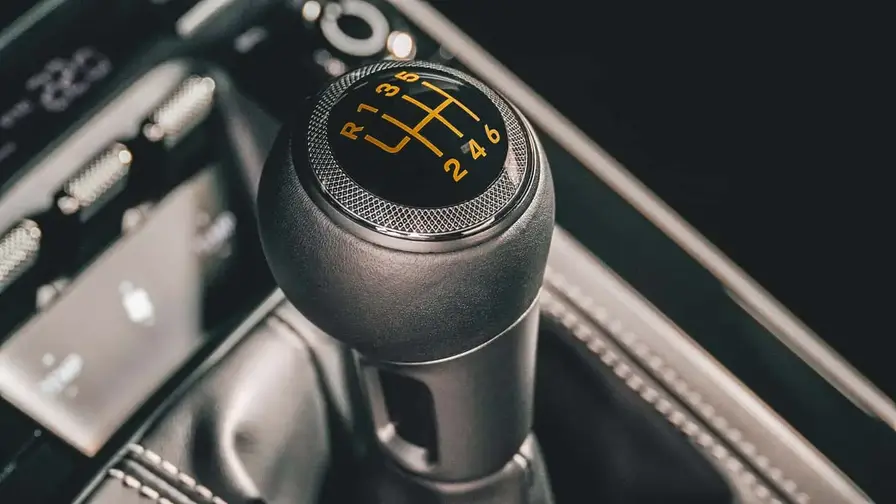

Why this matters for enthusiasts and the market
This patent aligns with Toyota's broader effort to refresh its brand image and appeal to driving enthusiasts. Over the past years Toyota has invested in sportier models and software tuning under its GR sub-brand, and a more tactile paddle-shift experience supports that strategy. More broadly, it reflects an industry trend: manufacturers are refining software to deliver the emotional engagement of manual shifting while keeping modern automatic reliability and safety.
Quote:
- 'A gearbox that remembers intent could change how drivers interact with automatics, blending safety with immediacy,' said an industry engineer familiar with shift-by-wire systems.
Practical impact and outlook
Drivers should expect smoother, more predictable responses from paddle shifters, especially in spirited driving or track use. The technology is primarily software-driven, meaning it could be rolled out across multiple models with compatible transmissions via updates or included in future platforms.
Whether it appears first on Toyota's performance GR models or broader mainstream cars, the feature would boost appeal among buyers who want both involvement and protection. For the automotive industry, Toyota's patent is another reminder that the next evolution of the driving experience will be led as much by intelligent control software as by engine hardware.
Highlights:
- Enhanced paddle-shifter responsiveness
- Safety-first, intent-aware gear control
- Dynamic rev limits to balance performance and protection
This innovation promises a more engaging yet safe connection between driver input and gearbox action, bringing the best traits of manual driving to modern automatic transmissions.
.avif "Toyota Highlander Goes All-Electric as Toyota Accelerates EV Transformation by 2028")

Leave a Comment
Comments (2)
Is this even true? storing a downshift to execute later sounds clever, but what if the cached shift surprises you mid corner... feels risky
Wow, that actually sounds awesome! paddle shifters that remember intent? legit gives manual vibes, but hope they dont make it feel fake or delayed.