
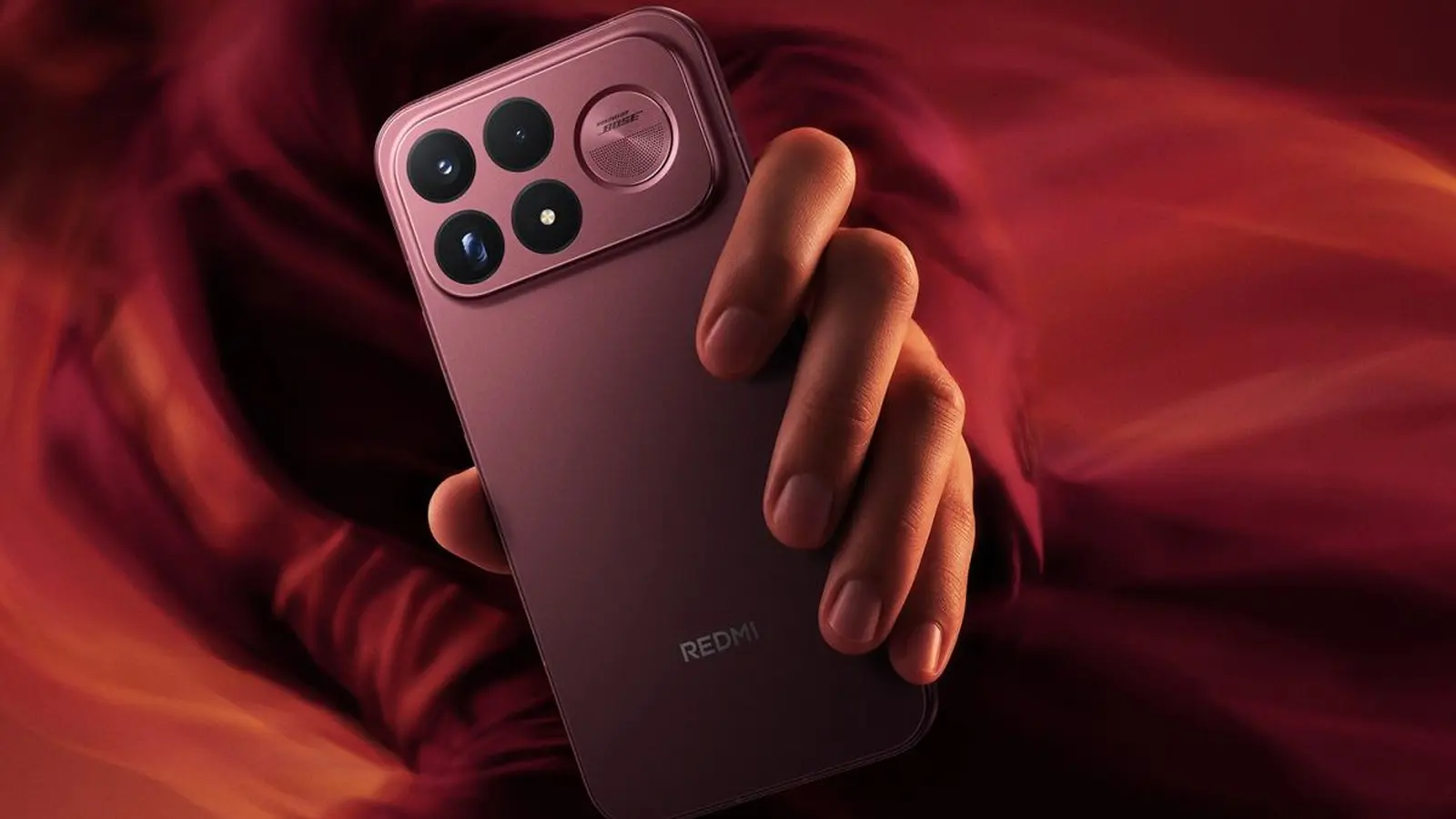
Sales figures can be blunt instruments, but they often tell a sharper story than press releases. In the case of Xiaomi's latest REDMI K100 lineup, early-market behavior has delivered a mixed, yet revealing, signal: the series as a whole landed at roughly 95% of the first-week sales of the K90 family, but the high-end model is punching above its weight.
Digital watcher @RDObservation parsed launch-week data and found that the vanilla K100 Pro moved about 70% of the units the K90 Pro did in the comparable period. The headline, however, belongs to the K100 Pro Max — it achieved roughly 135% of the K90 Pro Max’s early sales. That gap isn’t tiny. It changes the narrative from “slow start” to “selective appetite.”
There’s corroboration from Xiaomi’s corner: Lu Weibing shared that the Pro Max’s first-day tally hit 150% of its predecessor’s, measured up to midnight on August 11. Numbers like that are a vote with wallets, not marketing spin. They suggest buyers reached for the top-tier configuration with more urgency than they did last cycle.

Why the preference for the Max? Partly hardware. The K100 Pro ships with a Snapdragon 8 Elite Gen 5 V variant, while the Pro Max gets the beefier Snapdragon 8 Elite Gen 5. Battery capacity is another headline — 8,580mAh on the Pro and a phone-sized 9,070mAh on the Pro Max — plus Bose-tuned speakers and other premium touches. After subsidies in China, the family starts at 3,199 yuan (about €412), which helps position the models competitively across different buyer tiers.
The K100 Pro Max is the clear premium favorite so far.
Put simply: the overall series fell a bit short of the K90’s debut week, but the Max’s outperformance reveals where demand is concentrated. Some customers are clearly willing to pay for the larger battery and stronger silicon; others appear content with mid-flagship compromises.
Absolute unit totals remain undisclosed, so these percentages are our best early read. Still, they’re useful: they hint at an appetite for premium endurance and raw performance in Xiaomi’s customer base. Expect competitors to take note — and watch the follow-up weeks closely, because launch-week momentum can shift fast in China’s smartphone marketplace.

Leave a Comment
Comments
No comments yet. Be the first.