
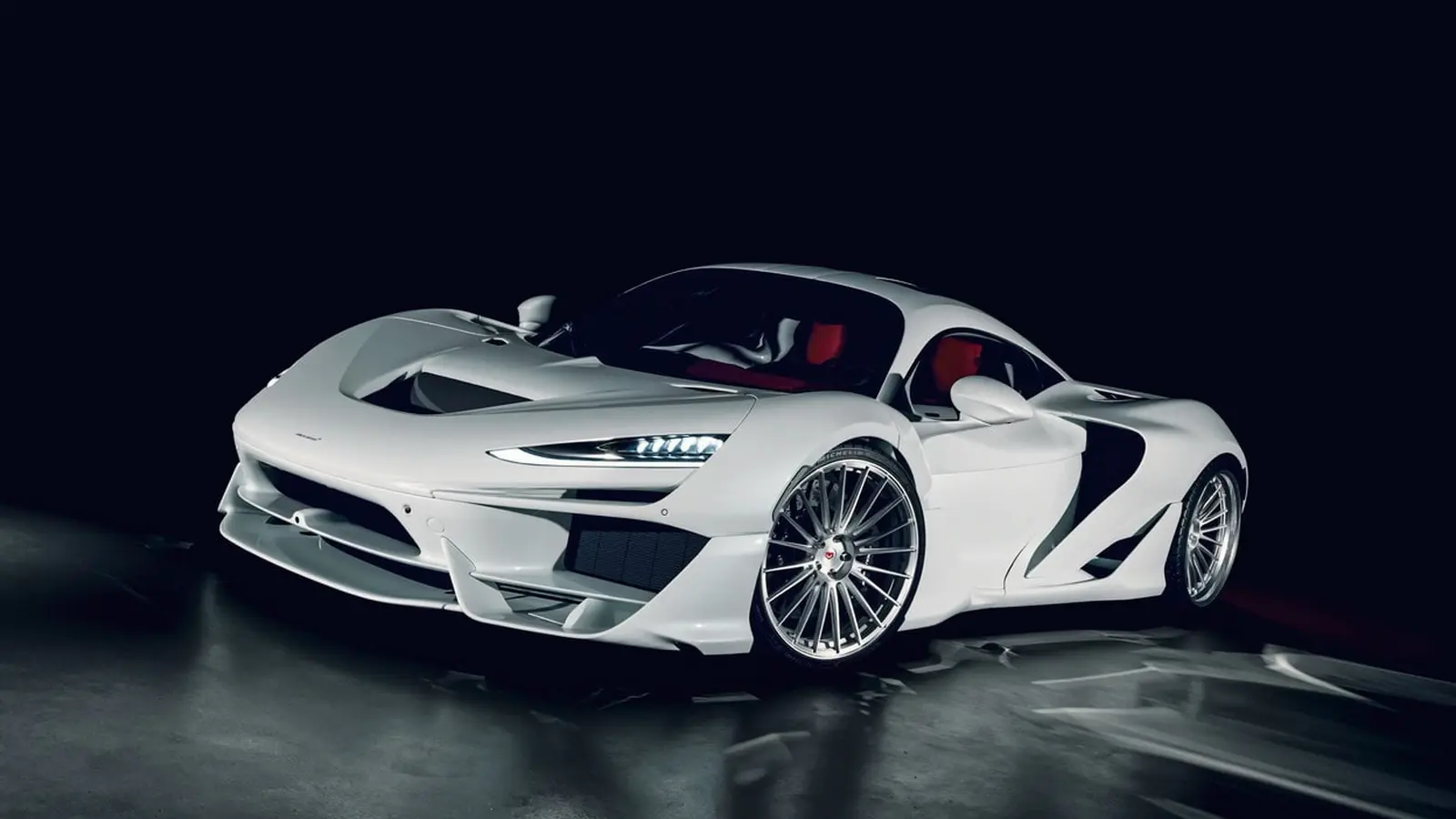
Vossen dresses the quiet McLaren W1 in new alloy wheels
Photos recently shared by wheelmaker Vossen have put the McLaren W1 back in the spotlight — not because of a power upgrade, but thanks to a set of Gen-20 alloys that change the hypercar's stance and presence. The W1, McLaren's spiritual successor to the P1, is already a technical showpiece, but tailored aftermarket wheels give it a sharper, more contemporary look that’s worth a second glance.
Why the W1 remains interesting
The W1 is the firm’s modern answer to the P1 from the era of the so-called ‘holy trinity’ alongside the LaFerrari and Porsche 918 Spyder. Although McLaren unveiled the W1 almost two years ago, final assembly only began in early 2026 at the Woking factory in Surrey, UK. Built on the McLaren Carbon Fiber Lightweight Architecture (MCLA), the W1 arrives in a single, focused configuration: a two-door coupe with a longitudinal mid-mounted engine and rear-wheel drive, gullwing doors and a carbon-fiber ethos that prioritizes power-to-weight and handling.

McLaren's own marketing leans on bold language — calling the W1 'the real supercar' and insisting 'real supercars have to have epic power' — and the mechanicals back that up.
Key performance figures
- Engine: 4.0-liter twin-turbo V8 with electric assistance
- Total output: 1,257 bhp (1,275 PS / 938 kW) and 988 lb-ft (1,340 Nm) of torque
- Equivalent peak: just under one megawatt (roughly 1,341 hp)
- 0-62 mph (0-100 kph): 2.7 seconds
- 0-124 mph (0-200 kph): 5.8 seconds
- Top speed: 217 mph / 350 kph
- Curb weight: 3,084 lbs (1,399 kg)
Those numbers put the W1 at the very top of the hypercar ladder in terms of raw output and straight-line acceleration. It’s marginally heavier than the original P1 (by roughly 9 lbs / 4 kg), yet still posts faster sprint times in most metrics.
Context: McLaren’s broader plans
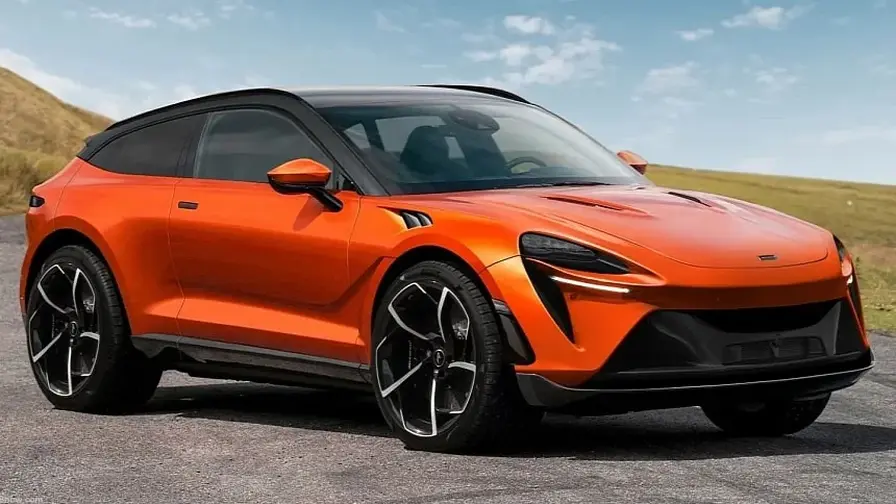
While the W1 is a halo product, McLaren is also exploring more mainstream territory. Rumors point to a crossover or SUV project codenamed P47, likely arriving around 2028. That model is expected to go after rivals such as the Lamborghini Urus, Ferrari Purosangue and Aston Martin DBX, with reports claiming an electrified V8 and seating for up to five. Still — for purists and collectors — the W1 is the car that represents McLaren’s high-performance DNA.
Vossen Gen-20: technical and visual details
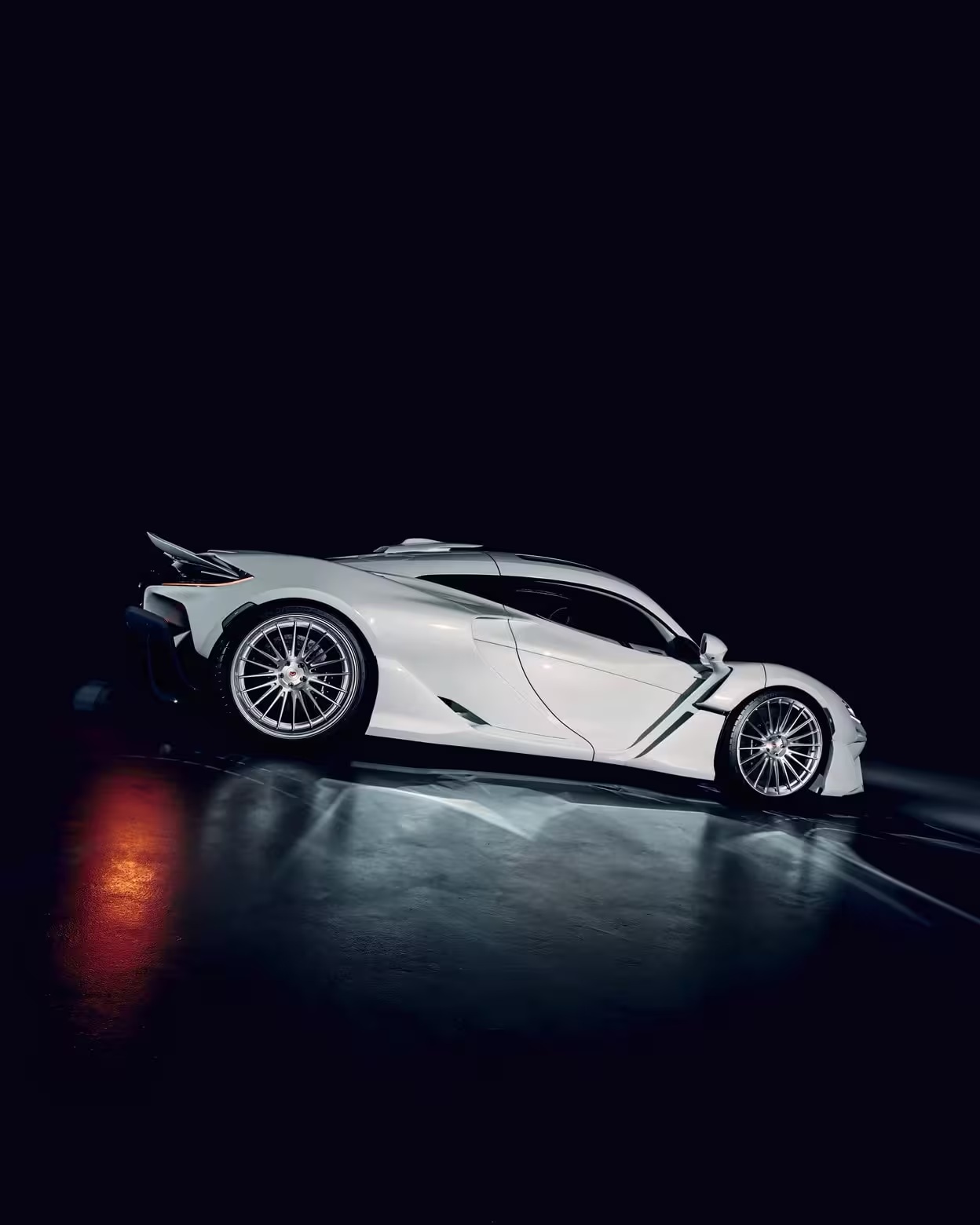
The Vossen images reveal a white W1 wearing Gen-20 alloys with a brushed, gloss-clear finish. Vossen describes the pattern as monoblock on the front axle and a three-piece assembly at the rear, which is a popular combination for cars that require both lightweight steering and stout rear-end strength for large power outputs.
What Vossen offers for the Gen-20:
.avif "Mansour Ojjeh’s Legendary McLaren Car Collection Hits the Market: An Unmatched Selection of Hypercars and Supercars")
- Diameters: 19 to 26 inches (25-inch option excluded)
- Price range: from around $2,200 per wheel (smallest size) up to $2,900+ per wheel for the largest diameter
- Finishes: offered in 48 color options

On the photographed W1, Vossen paired the brushed wheels with black brake calipers featuring white branding — a contrast that works well with the car’s white paint and highlights the wheel design.
Does aftermarket styling make a difference?
Aesthetics are subjective, but aftermarket wheels can transform the visual balance of an exotic. The Gen-20 set gives the W1 a slightly more aggressive posture and draws attention to the arches and brake hardware. Because the W1 is produced in limited numbers and McLaren didn’t tailor the car to mass-market tastes, owners and boutique suppliers like Vossen are naturally experimenting with personalization.
Quote to consider:
'You can overhaul a car's character without touching its engine,' a wheel designer might say. 'Wheels change stance, proportion and perceived performance.'
Why the W1 isn’t constantly trending
Even with jaw-dropping specs, the W1 hasn't dominated headlines the way some other exotics do. Several factors play into that:
- Price and exclusivity: At over $2.1 million, the W1 is aimed at a small, discerning buyer pool.
- Market noise: The last few years have seen a surge in high-power hybrid and electric supercars, many with broader marketing pushes and celebrity sightings.
- Evolution of taste: Some buyers prioritize futuristic design or hybrid/EV novelty over the analog-dominant hypercar experience the W1 offers.
But lack of constant online chatter doesn’t diminish the W1’s status among collectors who value engineering purity and chassis balance.

Final thoughts
Vossen’s Gen-20 example demonstrates how tasteful aftermarket parts can refresh a flagship hypercar without detracting from its engineering. The McLaren W1 is still, mechanically, a remarkable statement — a combustion-focused, electrified hypercar that bridges McLaren’s legacy and its electrified future.
Whether you prefer the W1 in stock trim or fitted with bespoke wheels comes down to personal taste. What’s undeniable is that carefully chosen wheels such as the Gen-20 can accentuate the car’s strengths: aggressive power, precision engineering and a silhouette meant for speed.
Do you prefer the W1 with its factory setup or do upgrades like the Vossen Gen-20 make it more compelling? Tell us which look suits the modern hypercar in the comments.

Leave a Comment
Comments
No comments yet. Be the first.