
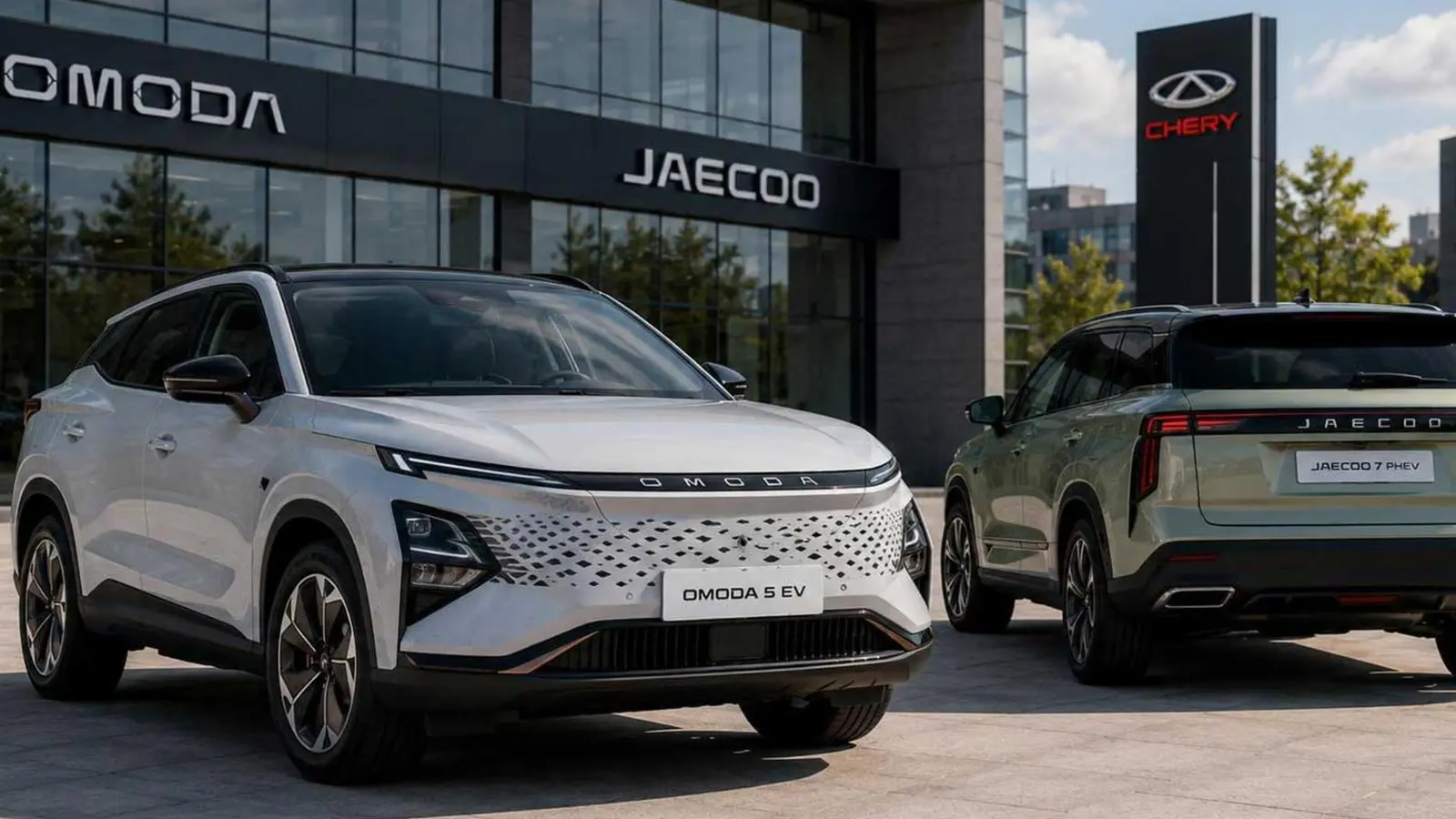
Nearly half of UK motorists would consider a Chinese car
Almost 50% of British drivers now say they'll consider a Chinese brand for their next car, according to fresh market research from Carwow. That figure marks a dramatic rise from just 24% in the first half of 2023 and 39% in the second half of 2025 — evidence of a rapid shift in buyer sentiment over roughly three years.
What the numbers say
Carwow's latest survey finds:
- 49% of UK drivers would consider a Chinese brand for their next vehicle.
- Queries for Chinese models on the Carwow platform jumped 119% in the first seven months of 2026 versus the same period in 2025.
- Brand awareness has surged: Jiko rose from 46% to 69%, Chery from 16% to 50%, Omoda from 42% to 57%, BYD from 28% to 71% and Xpeng from 8% to 20%.
- The share of respondents who recognized none of the Chinese brands fell from 23% in H2 2025 to 16% more recently.

These shifts highlight two complementary trends: greater familiarity with Chinese marques and a growing readiness to include them on buyers' shortlists.
Why buyers are looking at Chinese cars
Value for money is the most-cited reason — 42% of respondents said perceived value relative to price is why they'd consider a Chinese vehicle. A further 24% pointed to aggressive discounts and competitive offers. In short, Chinese entrants are competing hard on the economics of ownership: price, incentives and the equipment buyers expect for their money.

Ben Carter, Carwow's Chief Customer, Marketing and Media officer, says the phenomenon is not solely about cost pressures. He argues the change reflects a genuine shift in how people think about cars: not just cheaper options, but different value propositions that resonate with modern buyers.
New names, familiar challenges
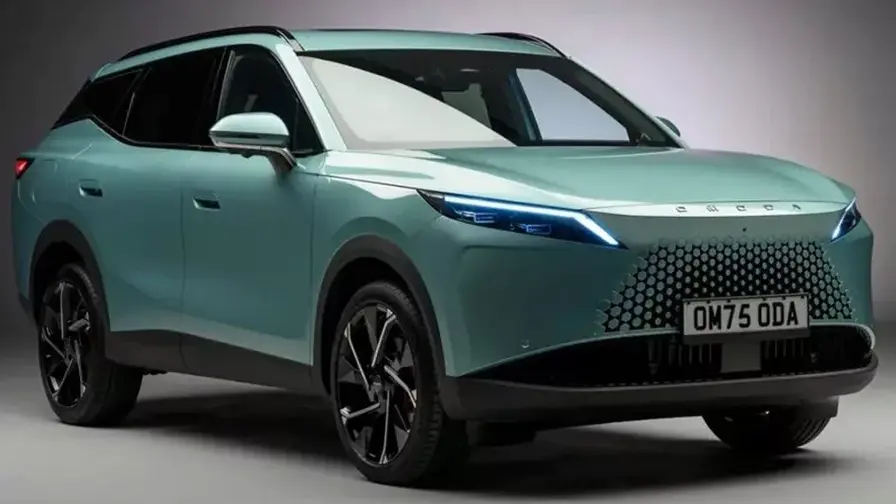
The number of Chinese brands active in the UK market keeps rising. BYD launched passenger car sales in the UK with the Atto 3 in March 2023, and others such as Chery, Omoda, Jiko and Xpeng have expanded their presence since. MG (backed by SAIC) has been established here for longer — its MG 4 was the UK’s second-best-selling electric vehicle in 2023 with 21,461 units.
These entrants bring a mix of compact electric SUVs, hatchbacks and family models designed around competitive pricing, generous standard equipment and electric powertrain options that match current buyer priorities.
Policy and tariff context: UK versus EU
The geopolitical backdrop matters. In October 2024 the European Union imposed extra tariffs on Chinese-made EVs, ranging from 7.8% to 35.3% depending on manufacturer. Specific levies include 17% for BYD, 18.8% for Geely and 35.3% for SAIC.
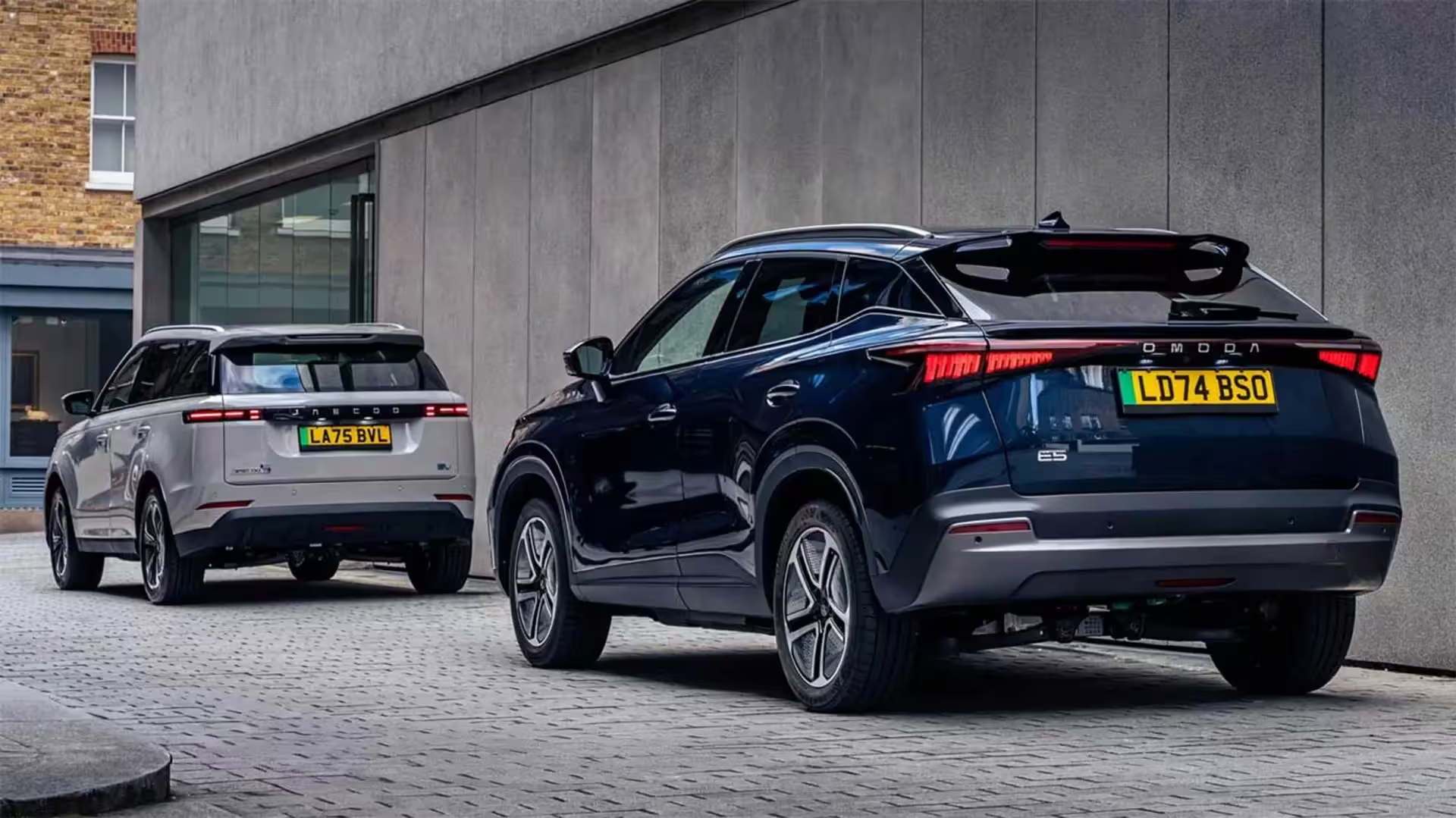
The UK, by contrast, has not implemented equivalent tariffs and is still evaluating any potential measures. That regulatory divergence gives Chinese automakers different entry dynamics across Europe and may partly explain their accelerated push into the UK market.
Industry reaction
Steve Walker, Digital Content Director at Auto Express, likens the rise of Chinese brands to earlier waves of Japanese and Korean expansion into the UK. His view: Chinese automakers are striking at the heart of the value equation and placing fresh pressure on long-established European, Japanese and Korean marques.
This effect is already visible across pricing, features and the speed with which unfamiliar brands are being accepted by mainstream buyers.
What this means for buyers and incumbents
For consumers, the growing choice can deliver bargains and better-equipped cars for similar money. For established manufacturers, the arrival of mission-driven Chinese competitors means brands must sharpen their value propositions, protect margins and emphasise differentiators such as dealership experience, residual values and brand heritage.

Key takeaways:
- Brand unfamiliarity is no longer the barrier it once was. Chinese brands are building awareness quickly.
- Consideration is not the same as purchase — but the pace of change suggests a higher conversion risk for incumbent brands.
- Tariff policy differences between the EU and UK will influence market dynamics and pricing.
Final thought
Carwow’s data is a snapshot of buyer intent rather than guaranteed sales, yet the acceleration is hard to ignore. Chinese carmakers are rapidly eroding the 'unknown' status they once had in Britain, leaning on competitive pricing, attractive equipment levels and expanding dealer networks. Whether they will be treated as peers to long-established European, Japanese and Korean brands depends on long-term reliability, ownership costs and perceived brand value — but for now, Chinese marques have become a mainstream consideration for nearly half of British drivers.
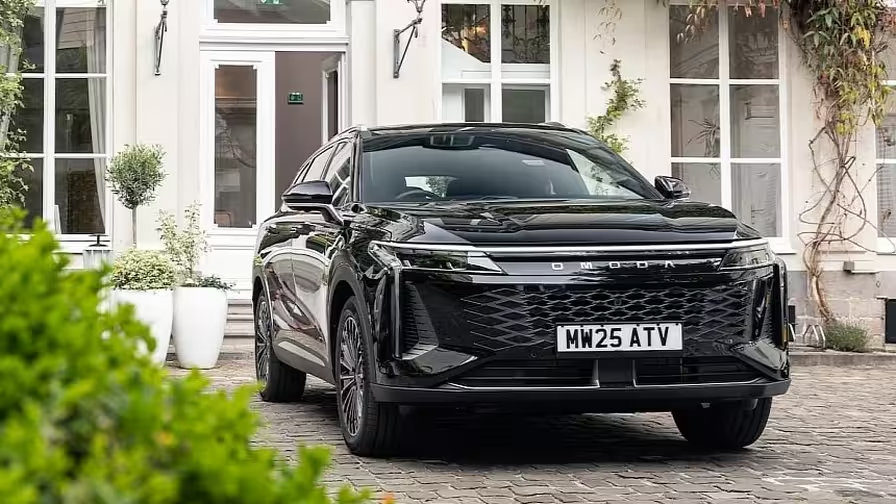
'The shift isn't only about cheaper stickers,' says Ben Carter, 'it's a real change in how drivers assess what they want from a car.'

Leave a Comment
Comments
No comments yet. Be the first.