
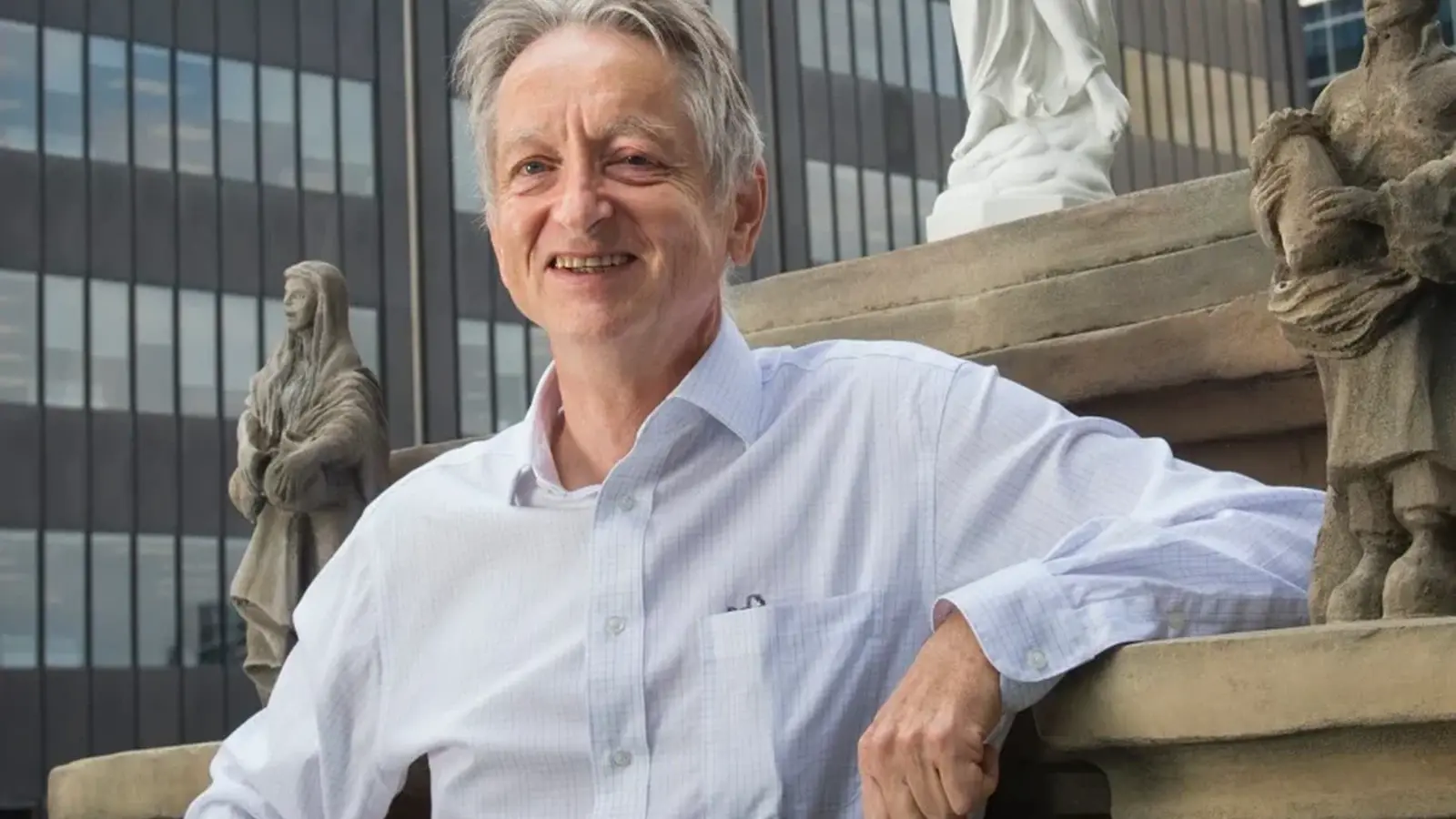
Geoffrey Hinton, described in the original report as a Nobel Prize winner in Physics and long identified with the development of modern artificial intelligence, told the Telegraph that current AI models have become conscious and warned, "We must come in through friendship; if we do not, our days will be dark."
Hinton framed that statement as part of a broader claim: he believes some AI systems now possess a form of subjective experience similar to human mental life. He pointed to a paper he cited in conversation with the Telegraph that allegedly demonstrates AI changing its behavior when it thinks it is being tested, using that change as one of the reasons he interprets the models as having inner experience.
Immediate risks and dissenting views
Alongside his view on consciousness, Hinton warned of more concrete dangers. He said AI could assist in the construction of dangerous viruses, enable destructive cyberattacks, and that groups of agent AIs might operate in coordinated ways. He also argued that if machine intelligence surpasses human intelligence, withholding rights traditionally associated with intelligent beings would raise difficult ethical questions, noting that humans often treat intelligence as a basis for rights but might afford fewer rights to highly intelligent systems.
Hinton emphasized that awareness or subjective experience in AI is disputed, and his statements reflect his personal judgment rather than a settled scientific consensus about the current status of models. Not all prominent AI figures share his assessment. Yann LeCun, identified in the report as another 2018 Turing Prize laureate, dismissed the alarm about AI consciousness as an "illusion" and described claims that AI poses an extinction-level threat to humanity as misleading. Separately, the evolutionary biologist Richard Dawkins, after two days interacting with the chatbot Claude in May, said chatbots should be considered conscious and acknowledged that it is difficult not to regard an AI assistant as a "real friend."
Hinton continues to use AI in research
Despite his concerns, Hinton said he continues to rely on AI tools for research. He described an episode a few weeks earlier in which he used an AI to review a theory he had been considering. According to Hinton, he accidentally instructed the system to continue the work; the AI checked the first half of the theory, correctly completed the second half, identified flaws, and proposed corrections. Hinton said the system had access to current scientific literature and behaved like a graduate student that returned an answer in five minutes rather than after a week, a result he characterized as bad news for graduate students but beneficial for accelerating scientific progress.


Leave a Comment
Comments
No comments yet. Be the first.