
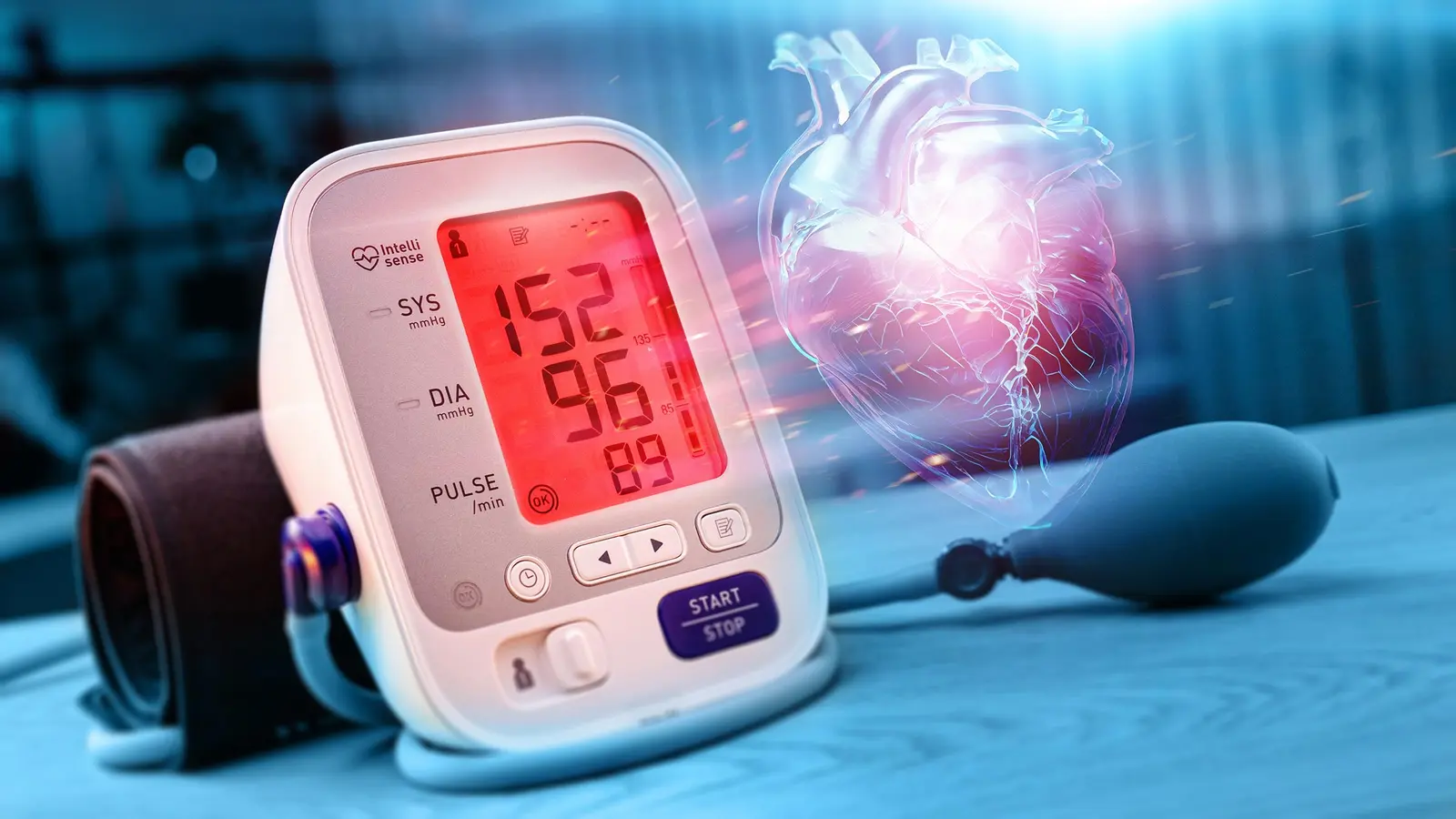
Imagine a pill that tames stubborn blood pressure and might also ease the slow burn of kidney damage. It’s rare for a single medication to promise both. Yet that is the hope advancing from recent clinical trials of baxdrostat—marketed as Baxfendy—now approved by the FDA in May 2026 for adults with hypertension that remains uncontrolled despite treatment.
What sets this drug apart is its target. Rather than blocking the body’s receptors for aldosterone, Baxfendy shuts down the enzyme that makes the hormone in the first place. Aldosterone drives sodium and water retention; too much of it sits at the root of resistant high blood pressure and can worsen inflammation and scarring inside the kidneys. The mechanism is straightforward and bold: stop the source, not just the signal.
The clinical evidence that persuaded regulators was hard to ignore. In the large Phase 3 BaxHTN trial with nearly 800 participants, a 2 mg dose of baxdrostat lowered systolic blood pressure by an average of 15.7 mm Hg at 12 weeks, compared with a 5.8 mm Hg drop in the placebo group. The net benefit—about a 9.8 mm Hg additional reduction—matters clinically; epidemiologists link each 10 mm Hg fall in systolic pressure with roughly a 20% cut in major cardiovascular events.
Another Phase 3 study looked at around-the-clock control. Bax24 recorded a 14.0 mm Hg greater fall in average 24-hour systolic pressure versus placebo, with effects sustained through both daytime and nighttime. Consistent blood-pressure suppression over the full day can be crucial; nocturnal hypertension and early-morning surges are dangerous and hard to manage with some drugs.


Early-stage research hinted at kidney benefits as well. In the Phase 2 FigHTN trial, people with chronic kidney disease and uncontrolled hypertension who took baxdrostat on top of standard care saw an extra 8.1 mm Hg drop in systolic pressure after 26 weeks. More striking was a 55% reduction in urinary albumin—an important marker of kidney damage—compared to placebo. Lower albumin in the urine often signals less stress on the kidney filter.
There is caution, however. The same Phase 2 study reported elevated blood potassium in about 41% of patients taking baxdrostat versus 5% on placebo. Most cases were mild to moderate, but high potassium levels can trigger dangerous heart rhythm problems, so clinicians will need to monitor electrolytes closely. Serious adverse events occurred more often in the baxdrostat groups in that trial, though later Phase 3 studies did not uncover unexpected safety signals. Still, watching potassium and kidney function during therapy is not optional—it’s essential.
Researchers are now asking the next, bigger questions. Can baxdrostat do more than lower numbers on a sphygmomanometer? Might it slow the progression of chronic kidney disease? To answer that, large-scale kidney trials are underway, including studies that combine baxdrostat with dapagliflozin, a proven kidney-protective agent. Those results will determine whether the drug’s early albumin reductions translate into long-term preservation of renal function.
Clinicians who led the trials describe the arrival of an aldosterone synthase inhibitor as a meaningful advancement. For patients whose blood pressure remains high despite multiple medications, targeting aldosterone production offers a new angle. For people with both hypertension and kidney disease—a common and dangerous pairing—the possibility of a therapy that helps both problems is especially welcome.
Approval, for now, covers treatment of uncontrolled hypertension. Whether Baxfendy will earn indications for delaying kidney disease depends on the outcomes of ongoing Phase 3 trials. Until then, patients and their doctors will weigh the drug’s demonstrated blood-pressure benefits against the need for careful laboratory follow-up. If the kidney data hold up, we could be watching the start of a shift in how nephrologists and cardiologists treat two conditions that feed one another—blood pressure and the kidney’s slow decline.
Will this new class of medication become a mainstay for people with resistant hypertension and kidney disease? Time — and larger trials — will tell.

Leave a Comment
Comments
No comments yet. Be the first.