
4 Minutes
Xiaomi strengthens software support with four major Android updates
Software longevity has become a key purchasing criterion for smartphone buyers and enterprise customers alike. Xiaomi has been improving its update policy over the past year, expanding guaranteed OS support beyond flagship models to a number of premium and mid-range devices. The result: a group of Xiaomi, Poco and Redmi products now qualify for four major Android updates — a notable step for long-term security, feature access and resale value.
Devices confirmed to receive four major Android updates
Below is the list of phones, foldables, tablets and sub-brands Xiaomi has announced as eligible for four major OS updates:
- Xiaomi 15
- Xiaomi 15 Ultra
- Xiaomi 14
- Xiaomi 14 Pro
- Xiaomi 14 Ultra
- Xiaomi 14T
- Xiaomi 14T Pro
- Xiaomi Mix Flip
- Xiaomi Pad 7
- Xiaomi Pad 7 Pro
- Poco F7
- Poco F7 Pro
- Poco F7 Ultra
- Redmi Note 14 4G
If a device on this list launched with Android 15, for example, four major updates would take it through Android 19 — a substantial extension of usable life for many buyers.
Product features and why these models qualify
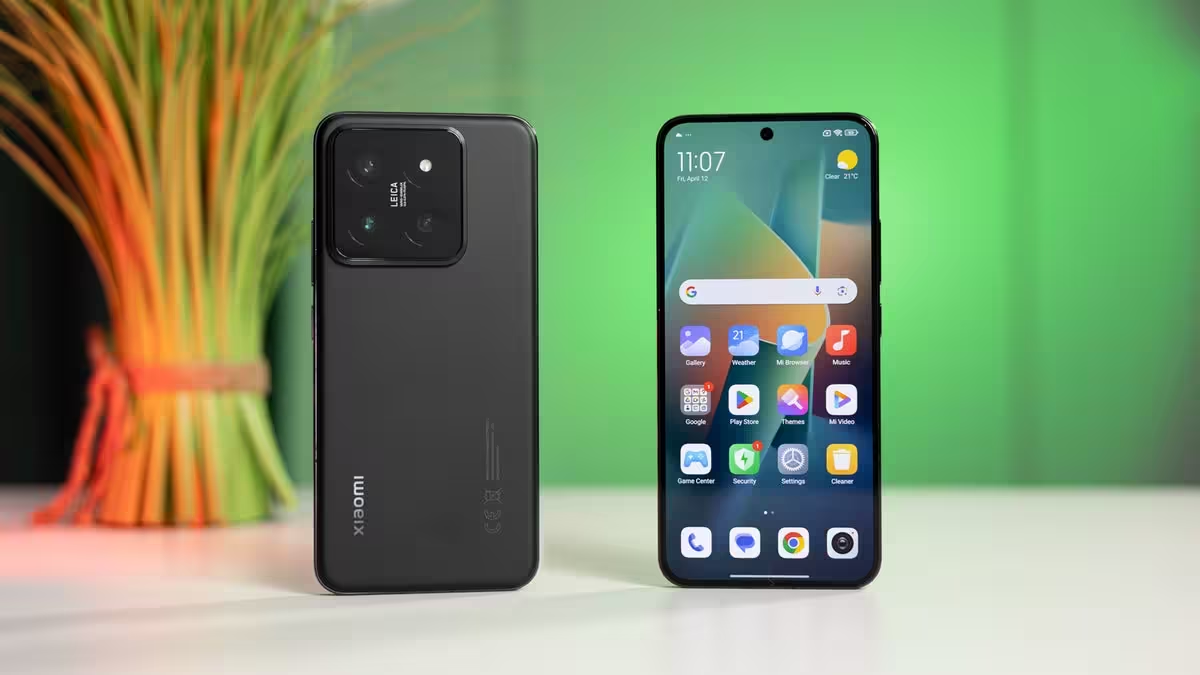
Most models on this list are recent flagships or high-tier mid-range devices with hardware that can support future Android releases: powerful SoCs, ample RAM, modern display technologies (OLED or high-refresh LCD), capable cameras and robust thermal designs. Tablets like the Xiaomi Pad 7 series are included to align Xiaomi’s tablet lifecycle with its phone strategy, ensuring productivity users receive longer platform support.
Standout categories
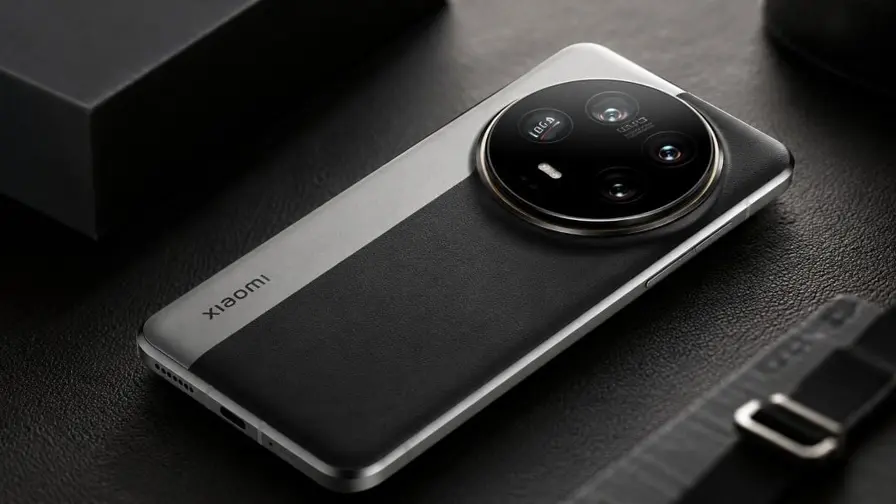
- Flagship phones (Xiaomi 14/15 series): premium performance, advanced camera systems and long-term software commitments.
- Mid-range leaders (Poco F7, Redmi Note 14 4G): offering flagship-style update support despite lower price points, improving ownership value.
- Tablets and foldables (Pad 7 series, Mix Flip): focus on productivity and more sustained feature updates for enterprise and creative use cases.
Comparisons and market context
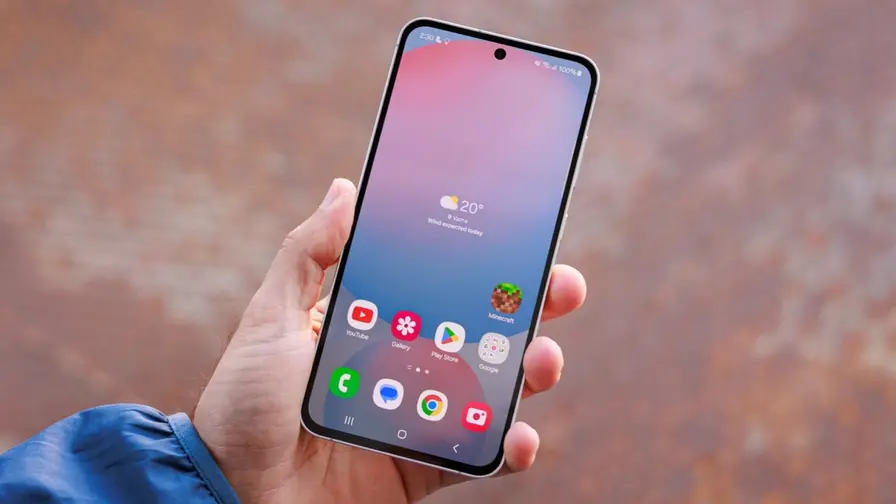
Xiaomi’s move narrows the gap with rivals but doesn’t fully match the longest-lived programs in the market. OnePlus and Vivo have similar four-update promises for select models, while Oppo and Motorola have pushed to five major updates. Realme has publicly committed to up to six, and Samsung and Google lead with up to seven major OS updates for select devices. Xiaomi’s upgrade shows strong progress, especially for mid-range buyers, but there’s still room for growth to match the market leaders.
Advantages and use cases of extended updates
- Security and privacy: longer Android support means extended security patching and timely vulnerability fixes.
- Resale value: buyers can expect better second-hand pricing when devices remain supported longer.
- Enterprise and education: organizations deploying devices benefit from predictable update windows and longer device refresh cycles.
- Feature longevity: access to new platform capabilities, APIs and app compatibility for a longer period.
HyperOS 3 and beta availability
All devices listed are eligible for the recently unveiled HyperOS 3 upgrade. Xiaomi has already opened HyperOS 3 beta programs for selected models, so owners of these devices should watch official channels for rollout timelines and beta enrollment. HyperOS 3’s enhancements — from performance optimizations to interface refinements — will be delivered alongside Android platform upgrades for eligible phones and tablets.
What buyers should consider
When choosing a Xiaomi device, factor in not only hardware specs and price but also the manufacturer’s software update commitment. Mid-range devices such as the Redmi Note 14 4G and Poco F7 getting four major updates is a significant consumer win, bringing peace of mind for buyers who want longevity without flagship pricing. For those needing the longest possible support window, check competitors’ extended-update pledges as well.

In short, Xiaomi’s expanded four-update policy reflects a stronger focus on long-term value and security — and it’s a positive development for consumers who keep phones for several years. Expect Xiaomi to continue iterating on its update roadmap as competition pushes OEMs toward longer, more dependable support cycles.






Leave a Comment
Comments
No comments yet. Be the first.