
3 Minutes
VW's ID. Buzz AD hits Berlin streets as public transport trials begin
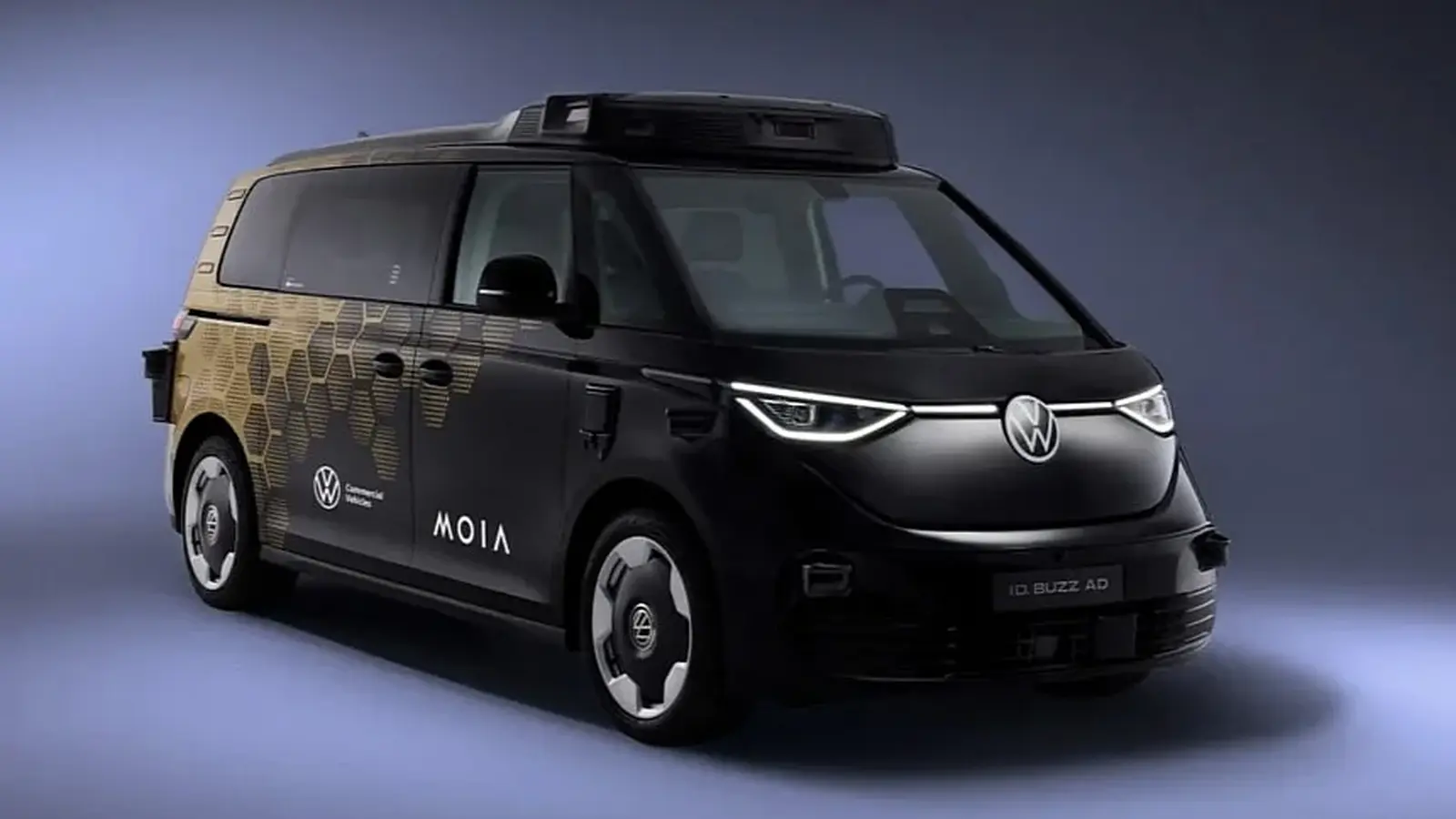
Berlin has taken a decisive step toward autonomous public transport with the Volkswagen ID. Buzz AD now operating freely within a defined urban zone. Built by Volkswagen and its mobility subsidiary MOIA, the self-driving ID. Buzz AD is intended as a practical, electric shuttle for city use and could become a permanent feature of Berlin's mobility mix by 2027.
Project rollout and timeline
At the end of October 2025 the first five ID. Buzz AD vans started moving through a roughly 15 km2 (six-mile) radius that covers Spandau, Charlottenburg-Wilmersdorf and Reinickendorf. Those initial runs are funded in part by a 9.5 million euro grant from the Federal Ministry of Transport and are being run under the NoWeL4 program, shorthand for Northwest Level 4.
For now the vans are operating without passengers on board as the teams validate software, maps and behavior around the clock. Passenger trials are planned for the first half of 2026, and city planners have said autonomous services could be integrated permanently into Berlin's public transport system as soon as 2027, contingent on the results.
Sensors, software and vehicle specifications
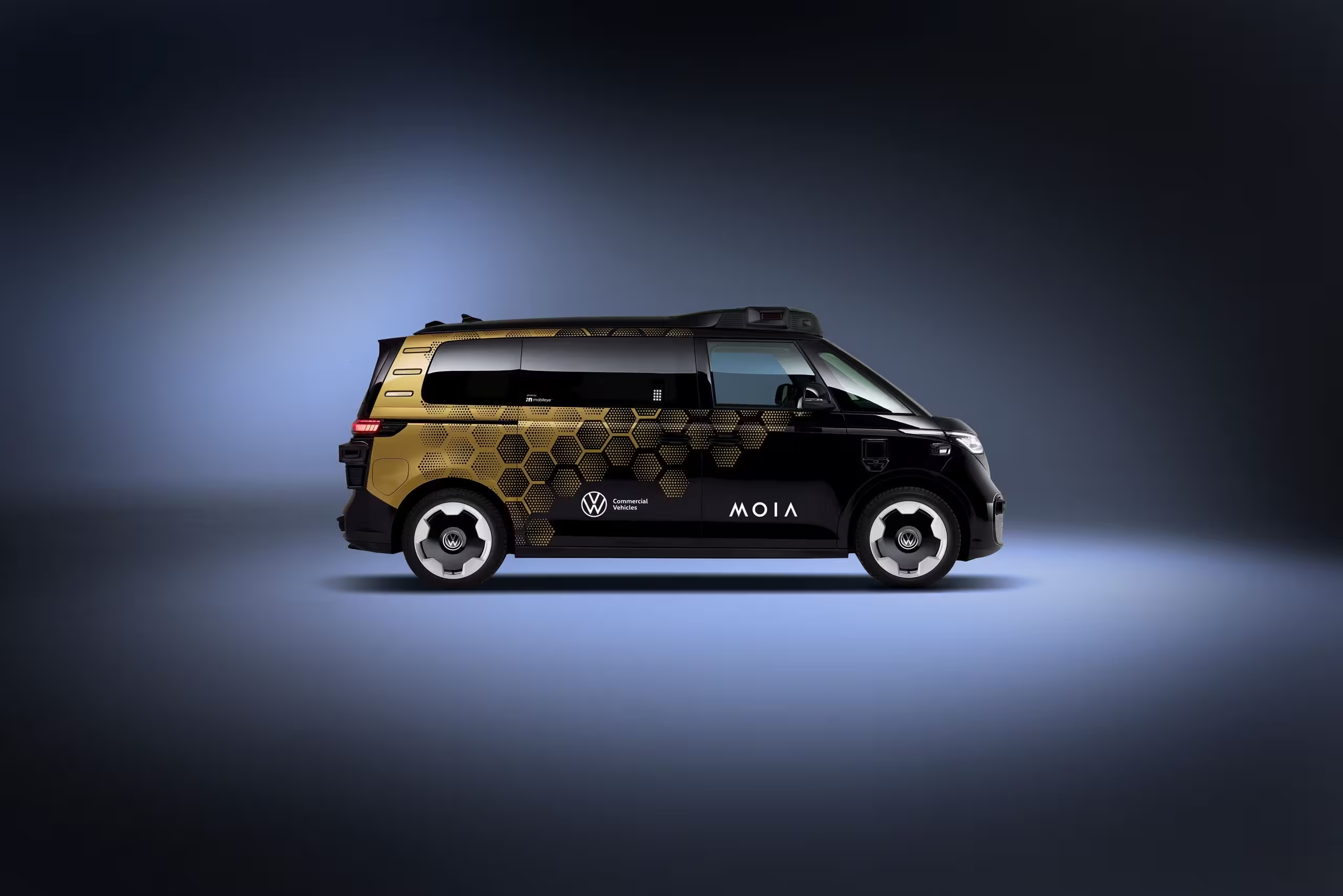
Mechanically the ID. Buzz AD mirrors the standard ID. Buzz electric van, so buyers and riders get familiar hardware and EV performance. Key technical figures include:
- Range: approximately 234 miles (377 km) on a full battery
- Power: combined output near 282 horsepower
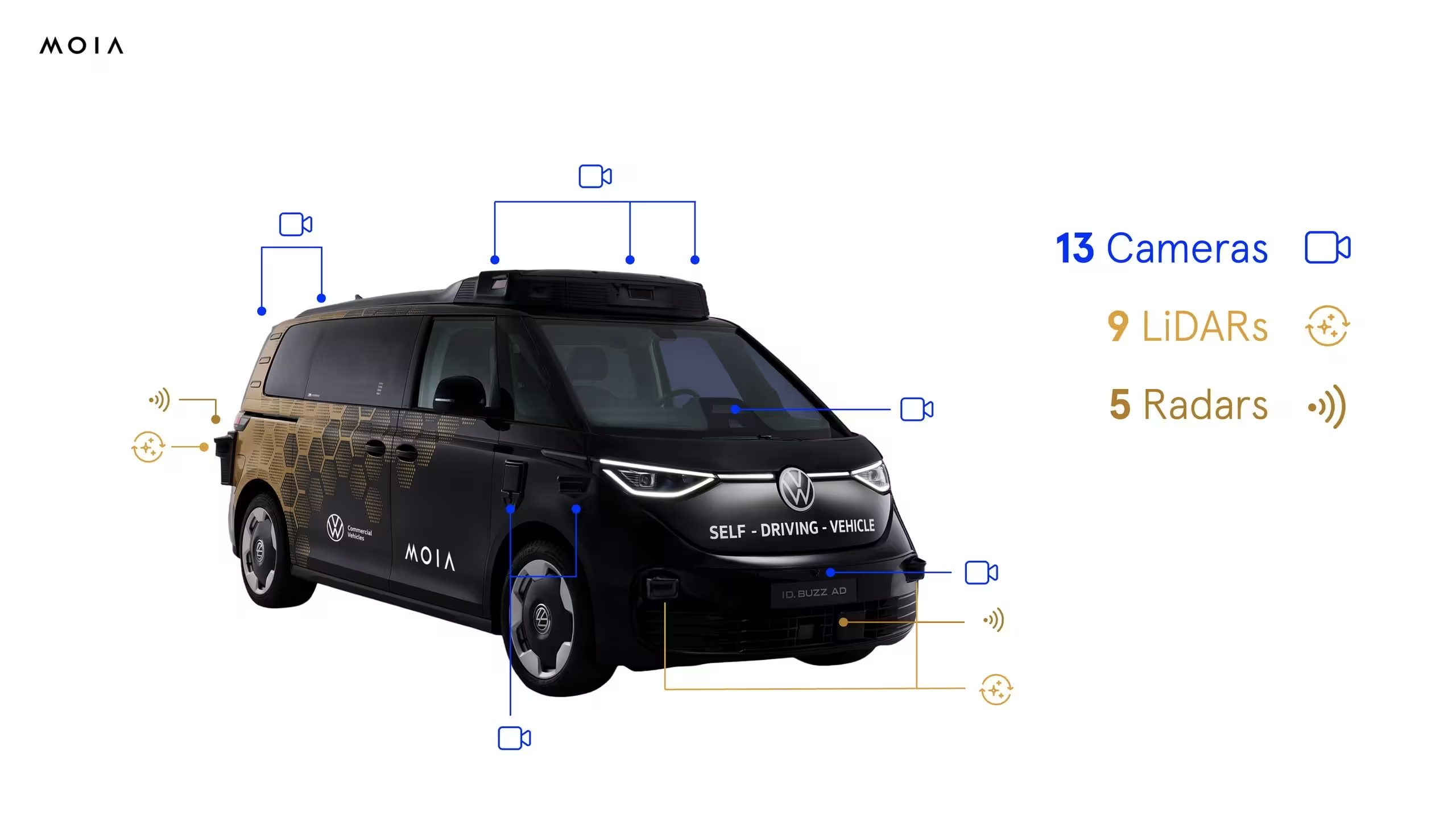
- Autonomous hardware: 13 cameras, nine LiDAR units and five radar sensors
A dedicated autonomy stack processes the sensor data to achieve Level 4 capability, allowing the vehicle to drive itself within defined operational domains without human intervention under normal conditions.
Safety, operations and public transport integration

Safety remains a priority. During trials each vehicle carries a backup driver and is continuously monitored from a remote control center. The vans will make about 80 stops per run while navigating mixed urban traffic and pedestrian zones.
NoWeL4 is positioned as a steppingstone: if the trial proves reliable and scalable, Berlin could host one of Germany's largest autonomous vehicle fleets integrated into public transit — shifting the conversation from isolated demos to regular, scheduled mobility services.
"This isn't about replacing transit overnight," said a project representative, "it is about augmenting capacity, reducing emissions and learning what works at scale."
U.S. ambitions: Uber and mass deployment
While Berlin pilots the technology with public support, a parallel and faster roll-out is planned in the United States — led by private partners. Uber announced earlier in 2025 it has tapped Volkswagen to supply thousands of autonomous ID. Buzz vans for its ride-hailing network, starting with Los Angeles and expanding to additional cities from 2026 onward.
Uber's timetable aims for vehicles to join the LA fleet by the end of 2025, potentially bringing large-scale autonomous electric vans to American streets sooner than municipal-run schemes. That contrast highlights two approaches: public-funded, cautious integration exemplified by Berlin, and aggressive, private-sector deployment led by ride-hailing platforms.
Market context and what to watch
The ID. Buzz AD sits at the intersection of three fast-moving trends: electrification, autonomy and new mobility services. For urban planners the questions are operational design, infrastructure and public acceptance. For automakers and mobility firms the test is commercial viability and safety validation at scale.
Key things to watch in the coming months:
- Results from passenger trials in early 2026
- How NoWeL4 handles complex urban scenarios and peak hours
- Uber and Volkswagen progress in U.S. city rollouts
.avif "DIY Sprinter Camper Van: Maximum Space, Off-Grid Comfort, and a Perfect Fit for Tall Adventurers")
Whether driven by city agendas or tech-platform ambition, the ID. Buzz AD project is increasingly important for anyone tracking autonomous vehicles, electric vans and the future of public transport.

Leave a Comment
Comments (2)
Wow, electric shuttles roaming Berlin streets, kinda exciting! if this scales by 2027 it'd be huge for emissions, fingers crossed but gotta see real world tests
wait, Level 4 in busy Berlin? sounds risky, maps and LiDAR ok but is the backup driver enough curious how they'll handle crowds, buses and cyclists...