
2 Minutes
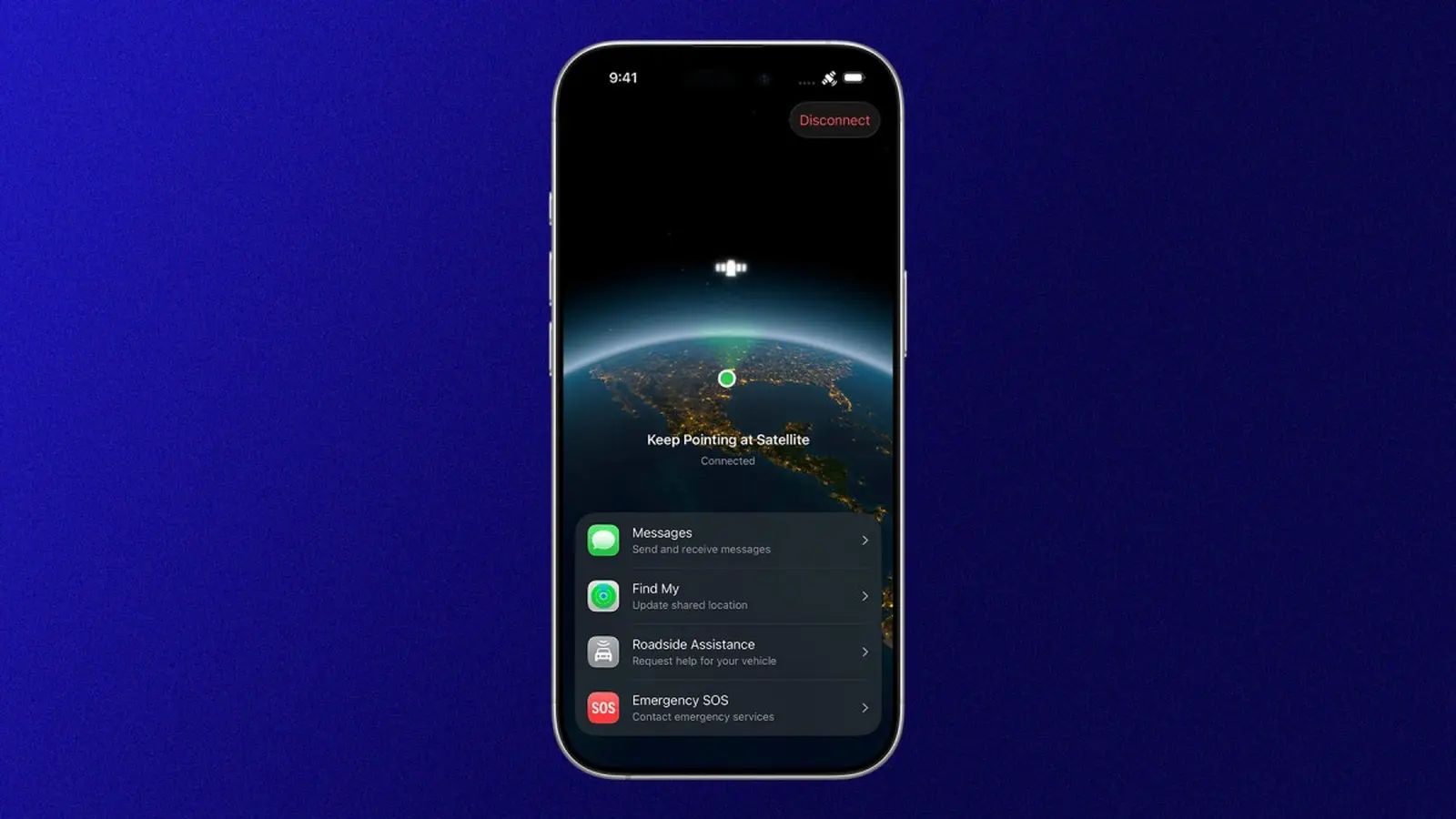
Apple is quietly expanding its satellite ambitions, aiming to turn iPhones and Apple Watches into reliable navigation and messaging devices even where cellular networks disappear. The company’s roadmap points to deeper satellite integration across apps, developers and core connectivity features.
Satellite maps: Apple Maps goes off-grid
Imagine opening Apple Maps in the wilderness and following a satellite-powered route without a cell signal. That’s the big idea: a satellite maps feature that brings offline navigation to iPhone and Apple Watch users. The move would let people navigate remote areas, disaster zones, or any place with poor mobile coverage using satellites instead of terrestrial towers.
What features are coming?
- Satellite maps for turn-by-turn navigation when there’s no cellular connection.
- A developer-facing API so third-party apps can access satellite connectivity for location, messaging, or emergency functions.
- Enhanced messaging capabilities, including the ability to send and receive photos over satellite links.
- Simplified connection: future devices aim to drop the need to point phones at the sky, offering connectivity even indoors or in pockets.

How Apple plans to make it work
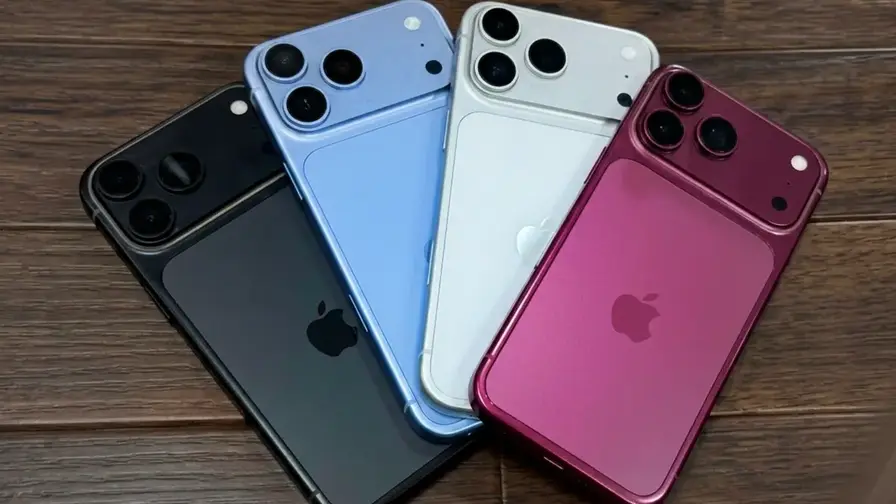
The plan depends heavily on Globalstar, whose satellite network must be upgraded to meet Apple’s performance and reliability standards. Apple also appears to be gearing up to support 5G Non-Terrestrial Networks (NTN), a technology that lets carriers extend coverage via satellites. That NTN support is expected to be a headline capability for next year’s iPhone 18 series.
Developers and carriers: a new playing field
By building an API for satellite connectivity, Apple is opening the door for apps beyond Apple Maps to use satellite links — from safety and outdoor tools to messaging services. At the same time, some industry insiders note tension inside Apple over moving into satellite networking territory traditionally handled by carriers. The inclusion of 5G NTN means carriers could tap into satellite resources while Apple supplies the device-level integration.
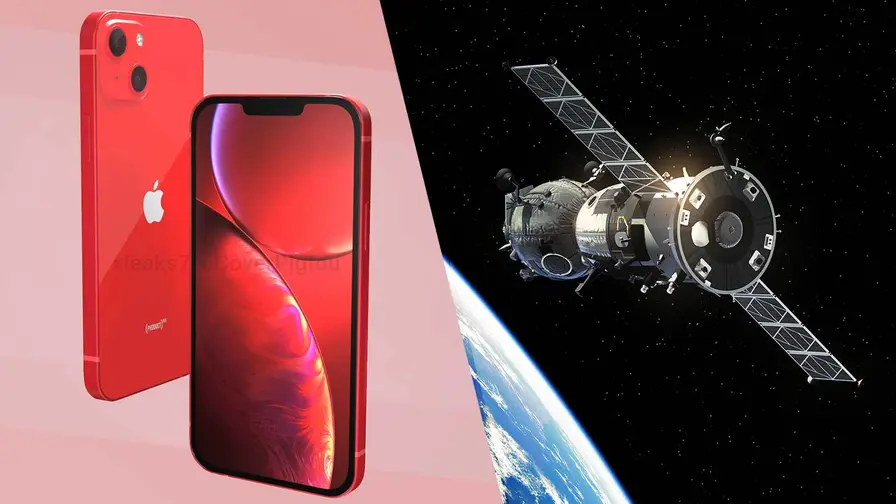
Apple first pushed satellite features with the iPhone 14 series, and this next phase is more ambitious. If Globalstar upgrades and 5G NTN support rolls out, we could see a meaningful shift in how smartphones stay connected — especially off the beaten path.







Leave a Comment
Comments
No comments yet. Be the first.