
3 Minutes
Samsung could be on track for a dramatic rebound in 2026: fresh forecasts suggest operating profit may surge as much as 129% year‑over‑year, driven by improvements in 2nm GAA yields, rising NAND prices, and stronger memory demand. Here’s what industry analysts say and why the next 12 months could be pivotal for the Korean tech giant.
Why analysts are suddenly bullish on Samsung
Park Yoo‑ak, a senior researcher at Kiwoon Securities, issued one of the most optimistic projections: Samsung’s operating profit for 2026 could reach 90–100 trillion won (roughly $62–$69 billion). That jump would represent a remarkable recovery for a company still stabilizing after cyclical downturns in memory and foundry markets.
His forecast leans on several concrete signals: a widening footprint in the HBM4 market, a sharp upward pressure on general‑purpose DRAM prices (Park cites a roughly 56% price surge), and strengthening NAND flash pricing that should lift revenue across Samsung’s memory lineup.
2nm GAA: the tech bet behind the numbers
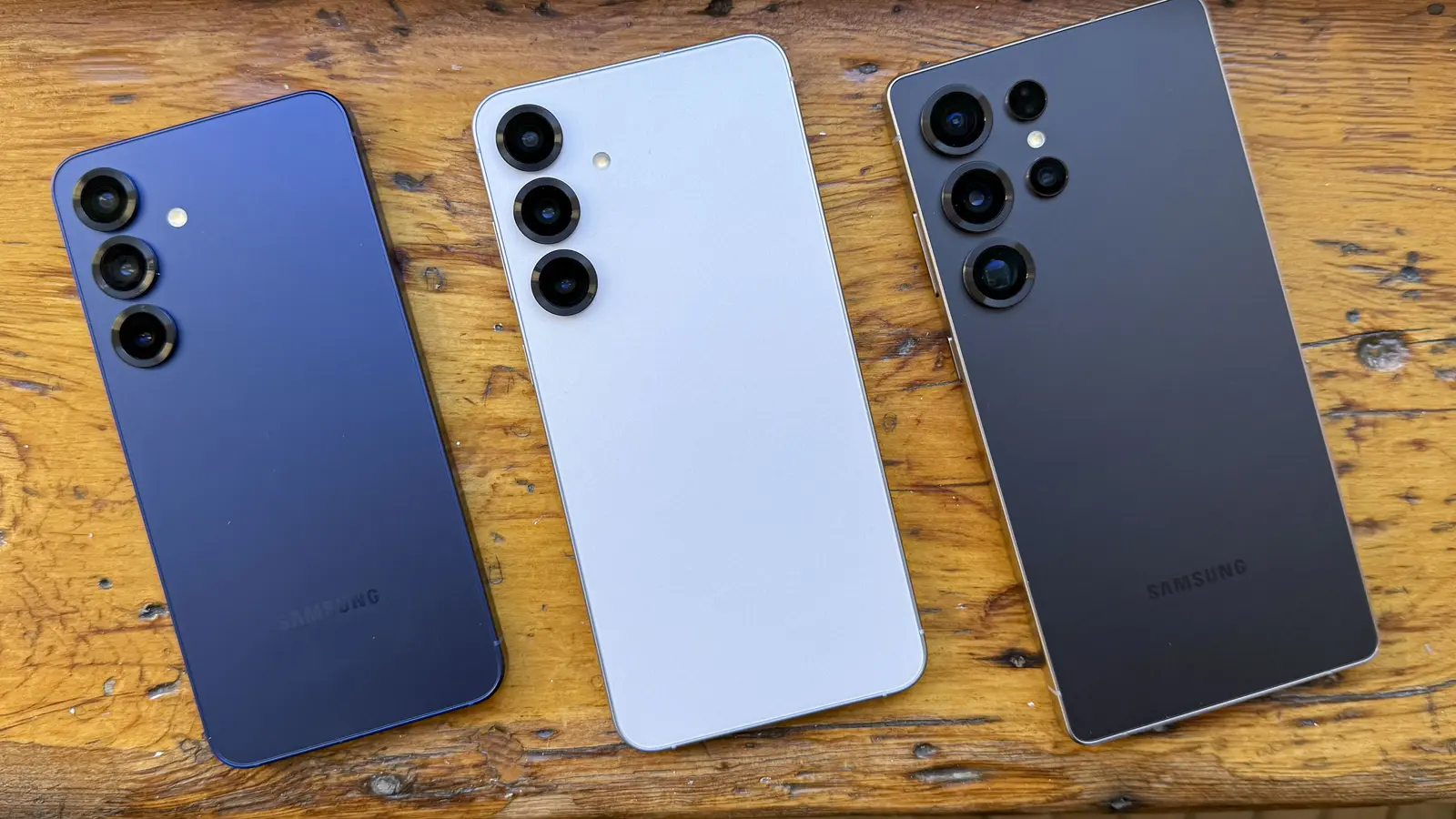
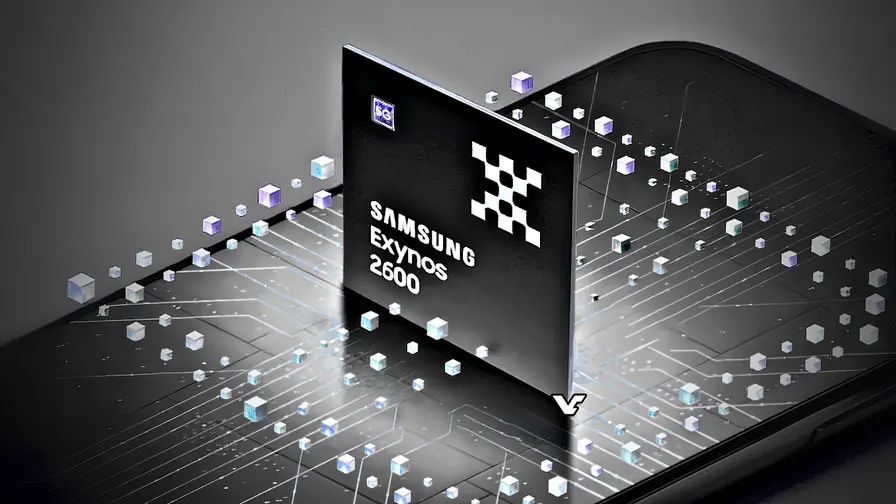
At the heart of the story is Samsung’s 2nm gate‑all‑around (GAA) node. Yields on that process are critical — not just for prestige, but for margin recovery in Samsung’s foundry arm. The Exynos 2600 chipset, the company’s first true test of 2nm GAA, will be watched closely when it appears in Galaxy S26 phones. Good yields could turn a long‑promised foundry profitability target (previously pegged for 2027) into an accelerated reality.

Real customers, real deals
- Samsung has reportedly landed orders from two Chinese crypto‑mining equipment makers for 2nm wafers.
- A headline $16.5 billion deal with Tesla — along with increased Google TPU orders — points to growing enterprise demand beyond mobile.
- Qualcomm received Snapdragon 8 Elite Gen 5 samples on Samsung’s 2nm wafers; Samsung’s role could expand further when Gen 6 launches.
Memory markets: HBM4, DRAM and NAND tailwinds
Market share gains in HBM4 matter because those chips command premium prices and are crucial for AI and high‑performance computing customers. Combined with a tighter supply picture and higher NAND flash pricing, profitability across DRAM and NAND could improve substantially.
KB Securities analyst Kim Dong‑won adds that broader memory shipments — helped by increased Galaxy smartphone demand tied to Google’s Gemini integration — will further bolster Samsung’s top and bottom lines.
What to watch next
Keep an eye on a few near‑term indicators: Exynos 2600 performance and yield reports, price movements for general‑purpose DRAM and NAND, and any public details about Samsung’s foundry deals with major clients like Qualcomm, Tesla and cloud AI customers. If yields and prices move the right way, 2026 could be a milestone year for Samsung.




.webp "Redmi 17C 5G: 6.9-inch Screen and 6,000mAh Power Lands")




Leave a Comment
Comments
No comments yet. Be the first.