
4 Minutes
Two big shifts are quietly reshaping silicon and smartphone roadmaps: NVIDIA’s rumored exclusive access to TSMC’s A16 node for next‑gen GPUs, and leaks that Samsung’s One UI 8.5 hints at much faster wireless charging for the Galaxy S26 family. Both moves underline how chip process and power delivery are driving tech headlines in 2026–2028.
Why NVIDIA is betting on TSMC’s A16 for Feynman GPUs
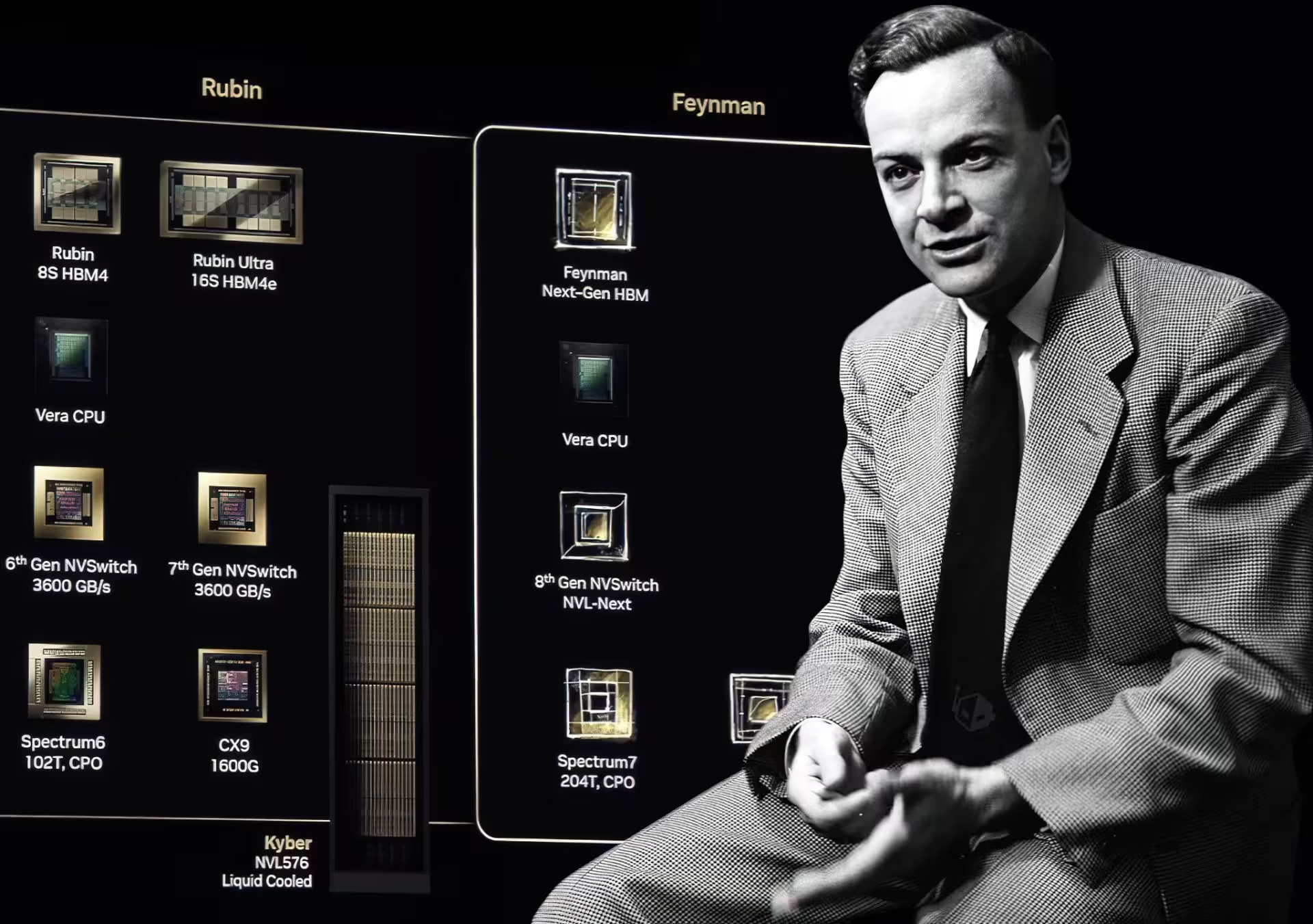
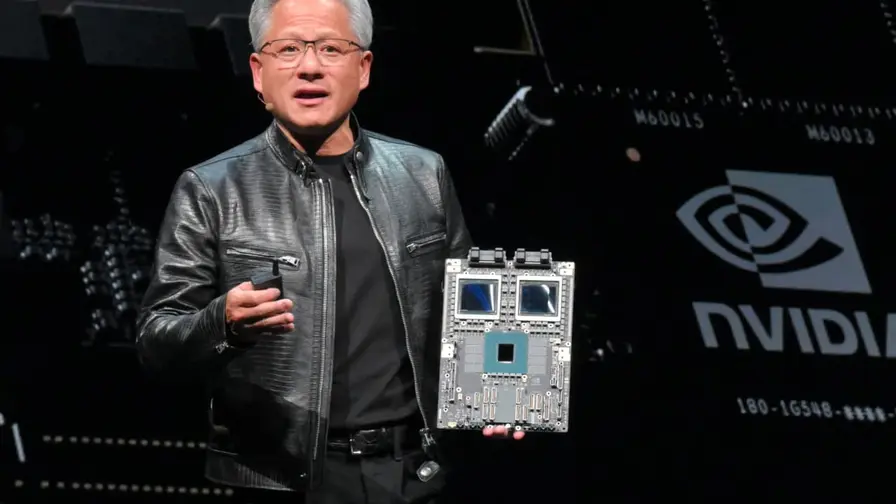
According to industry reports, NVIDIA appears to be the first — and possibly only — customer lined up for TSMC’s A16 process (branded around 1.6nm). That node is expected to underpin NVIDIA’s future Feynman GPUs, the successors to the Rubin line scheduled across 2026–2027.
Here’s what matters: A16 is not just another shrink. TSMC claims roughly an 8–10% performance boost, 15–20% lower power draw, and a 7–10% density gain versus its N2P baseline. The node also uses nanosheet transistors with SPR (Super Power Rail) for improved backside power delivery — features targeted at AI and HPC workloads where energy efficiency and high-density compute matter most.
- Target GPUs: Feynman (post‑Rubin)
- Process advantages: ~8–10% speed, 15–20% power savings, 7–10% density gains
- Technology highlights: Nanosheet + SPR, AI/HPC optimizations
- Production timeline: A16 pilot/production readiness H2 2026; Kaohsiung P3 mass ramp in 2027
NVIDIA’s roadmap shows Rubin products using TSMC’s 3nm-class N3P node, while Rubin Ultra and Rubin successors move closer to N2P and A16 territory. CEO Jensen Huang has indicated Rubin (Vera Rubin Superchips) production in 2026, with shipments as early as Q3 2026 if fabs scale as expected. Reports also suggest TSMC’s 3nm capacity expansion is being driven by large NVIDIA orders — a reminder of how dependent the AI silicon race has made foundry scheduling.
Being the first customer for A16 would give NVIDIA two big advantages: earlier access to improvements and possibly priority allocation when volumes are tight. That’s critical amid the ongoing surge in AI demand, where timely supply can translate into market lead — and we’ve already seen NVIDIA dominate many AI training benchmarks with its Blackwell‑class chips.
What A16 exclusivity could mean for the industry
An exclusive window on A16 would help NVIDIA squeeze more performance-per-watt out of upcoming GPUs. But it also raises strategic questions: Will other players like AMD or specialized AI silicon firms get access sooner or later? And how will Apple’s roadmap affect naming and sequencing of nodes — some supply whispers even suggest Apple could skip labels like A16 and move directly to A14 after its 2nm migration.
Competition is mounting — AMD, Google, Microsoft and hyperscalers are all forging different paths — but having privileged early access to a tuned AI/HPC node is a meaningful edge in a compute‑hungry market.
Samsung hints: One UI 8.5 and the return of much faster wireless charging
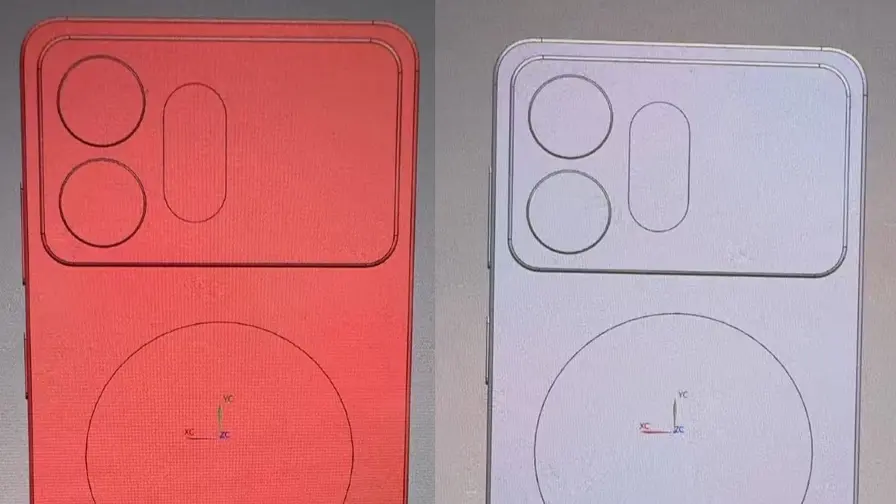
On the consumer side, leaked One UI 8.5 firmware has flagged a feature labeled "Super Fast Wireless Charging." Android Authority’s code findings point to up to 25W wireless charging for the Galaxy S26 Ultra, with the S26 and S26+ likely getting around 20W.
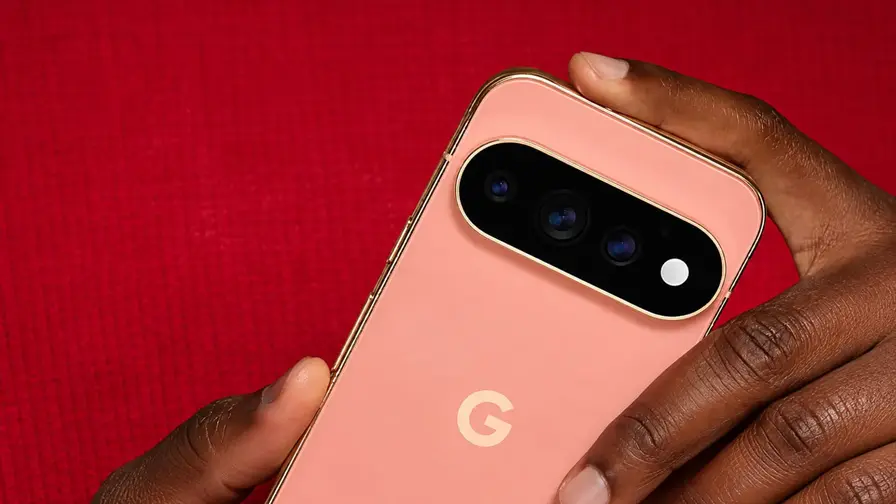
Why that’s notable: a 5,200mAh battery charging wirelessly at 25W could reach full charge in about an hour — approaching the wired speeds Samsung introduced earlier. Rumors also say Samsung will bake magnets into the S26 series for automatic alignment with compatible chargers and to support Qi2 accessories (wallets, mounts, grips). That suggests the company is leaning on a Qi‑based upgrade (likely Qi2.2), rather than proprietary fast wireless tech used by some Chinese brands.
- Leaked speeds: Galaxy S26 Ultra ~25W, S26/S26+ ~20W
- Alignment: built‑in magnets for automatic positioning and Qi2 accessory compatibility
- Industry context: Chinese vendors reach higher numbers with proprietary systems; Samsung, Apple, Google prefer Qi-standard approaches
Samsung’s wireless charging evolution has been incremental since the Galaxy S5: from 5W to 7.5W, then 10W, and later 15W — now potentially leaping to 25W. If confirmed, it would narrow the gap between wired and wireless convenience for mainstream users and make wireless charging a more practical daily option.
What to watch next
Both developments are part of a broader trend: process nodes and power delivery are converging on AI and mobility use cases. For NVIDIA, process advantages unlock denser, more efficient data‑center GPUs. For Samsung, faster wireless charging makes everyday power easier for consumers. Expect more official confirmations across 2026 as fabs ramp and One UI betas roll out.

.webp "Redmi 17C 5G: 6.9-inch Screen and 6,000mAh Power Lands")
Leave a Comment
Comments (2)
25W wireless charging for S26 sounds cool but feels overhyped. Real world will hit heat throttling and magnet alignment might save the day tho
If NVIDIA really lands A16 exclusivity, huge deal. But is this even true? TSMC rumors are messy, fabs take ages, could be vaporware or a real edge. we'll see.