
4 Minutes
Toyota makes only one change to the 2026 Mirai
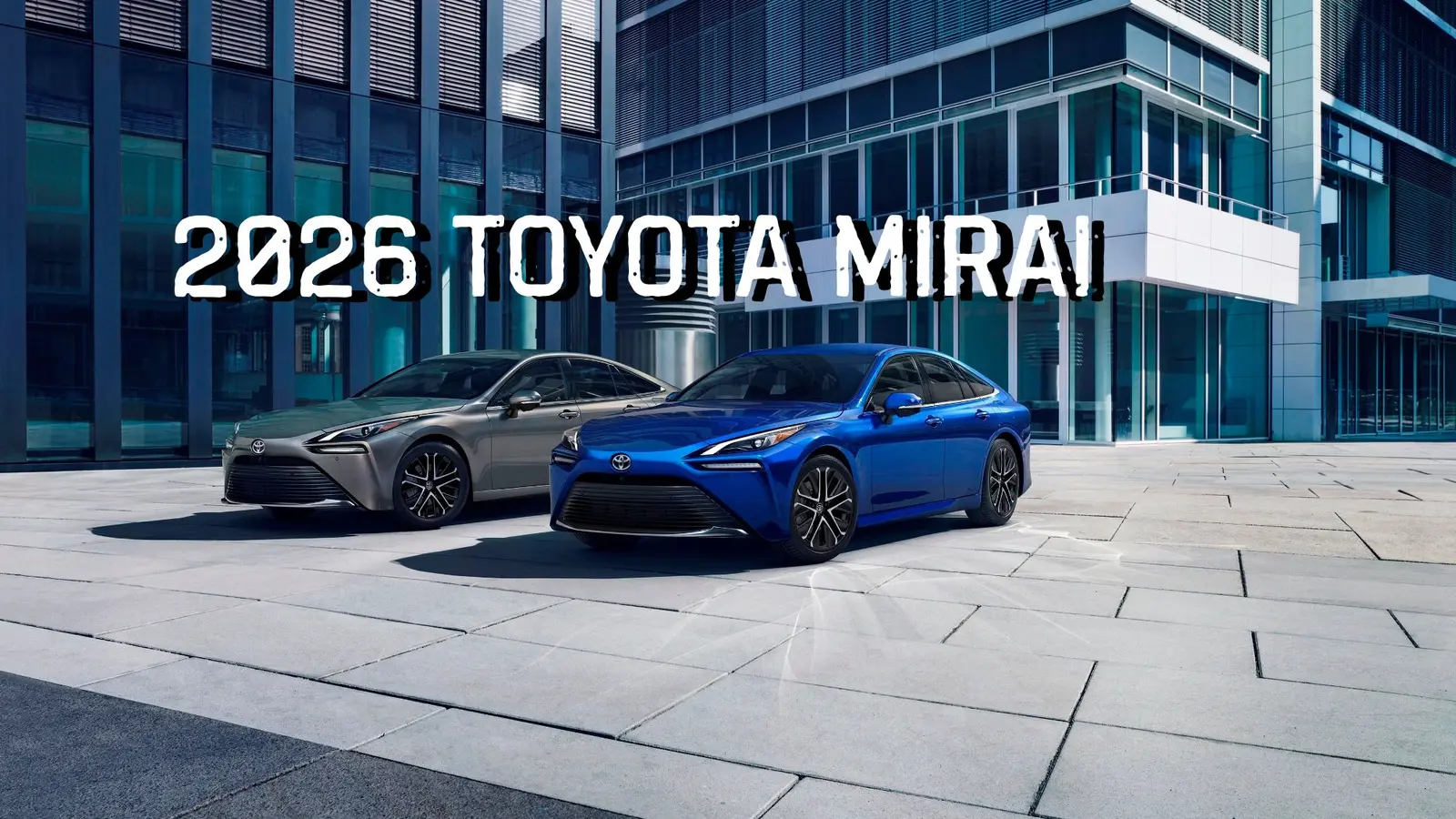
Toyota's Mirai returns for the 2026 model year with remarkably little fanfare: aside from a new set of standard wheels, the hydrogen fuel-cell sedan remains largely unchanged. For a vehicle that has struggled to gain broad appeal, the modest update feels appropriate — the Mirai continues to target a niche of environmentally minded drivers willing to embrace hydrogen technology.
Price, availability and market position
The Mirai keeps its $51,795 starting price for 2026, with a $1,195 destination charge added to the final sticker. Toyota positions the Mirai alongside other limited-availability hydrogen passenger cars in the U.S., such as the Honda CR-V e:FCEV and Hyundai Nexo. Sales remain tiny: Toyota Motor North America only sells the Mirai in California, and just 157 units were delivered in the U.S. from January through October 2025.
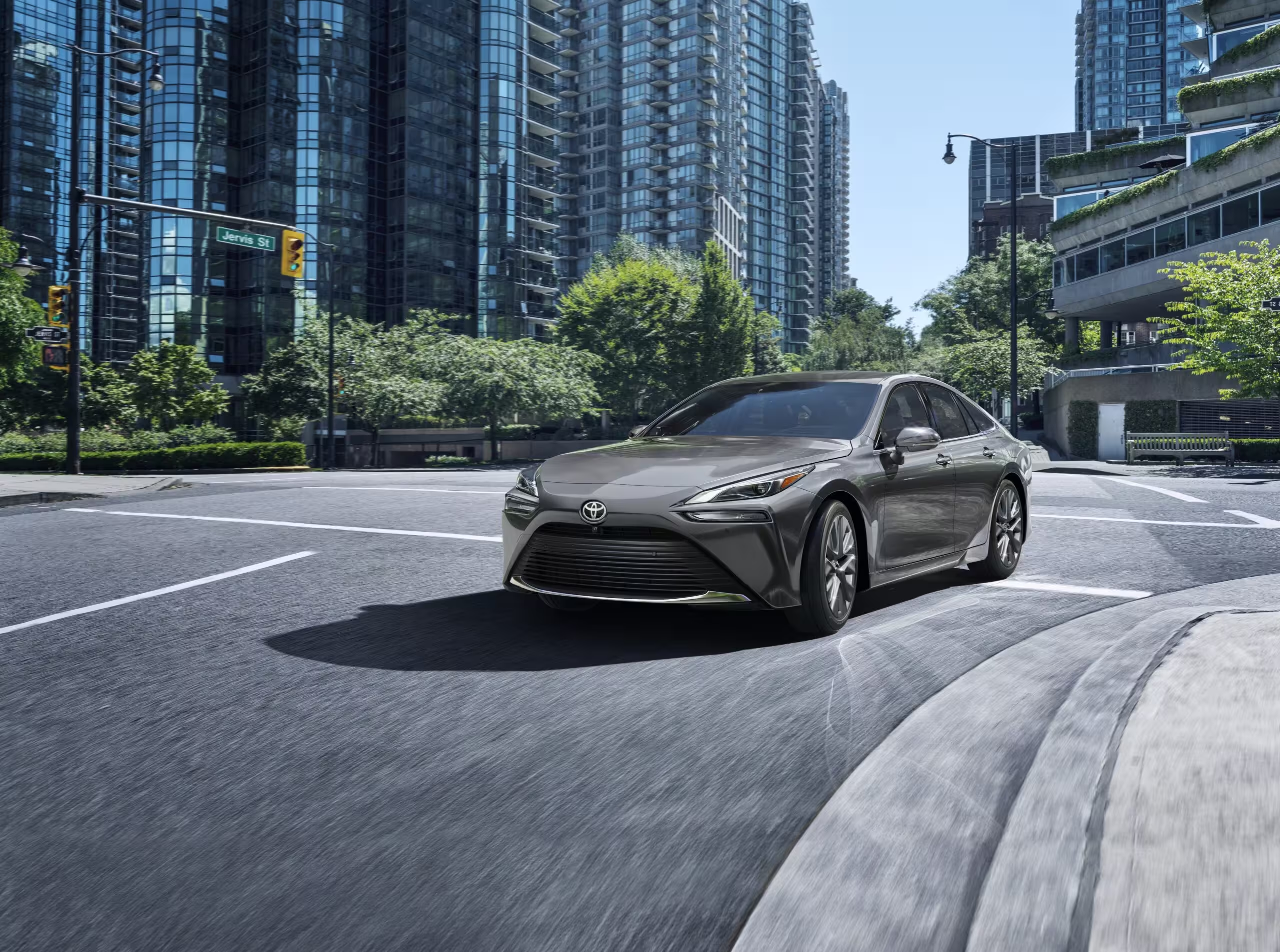
Despite low volumes, the Mirai aims to showcase what hydrogen fuel-cell electric vehicles (FCEVs) can offer: long range, quick refueling and a near-zero-emissions drivetrain. Its architecture is shared with the 230-series Crown, placing it in the mid-size luxury sedan category rather than a compact niche.
What’s new for 2026
The only change for the 2026 Mirai is the addition of standard 19-inch black machine-finish aluminum wheels. That single tweak adjusts the car’s otherwise conservative styling and is Toyota’s attempt to give the sedan a slightly sharper visual identity without changing hardware or packaging.
Highlights at a glance:
- Starting price: $51,795 (plus $1,195 destination)
- New standard 19-inch black machine-finish wheels
- Single trim for 2026: XLE
- Market availability: California only (U.S.)
Fuel cell range, hydrogen capacity and performance
Toyota lists an EPA-rated driving range of 402 miles (647 km) on a full hydrogen tank — an impressive figure that underscores one of hydrogen’s chief advantages over battery EVs: range and fast refueling. The Mirai stores 5.6 kilograms of compressed hydrogen across three tanks at 700 bar (more than 10,100 psi).
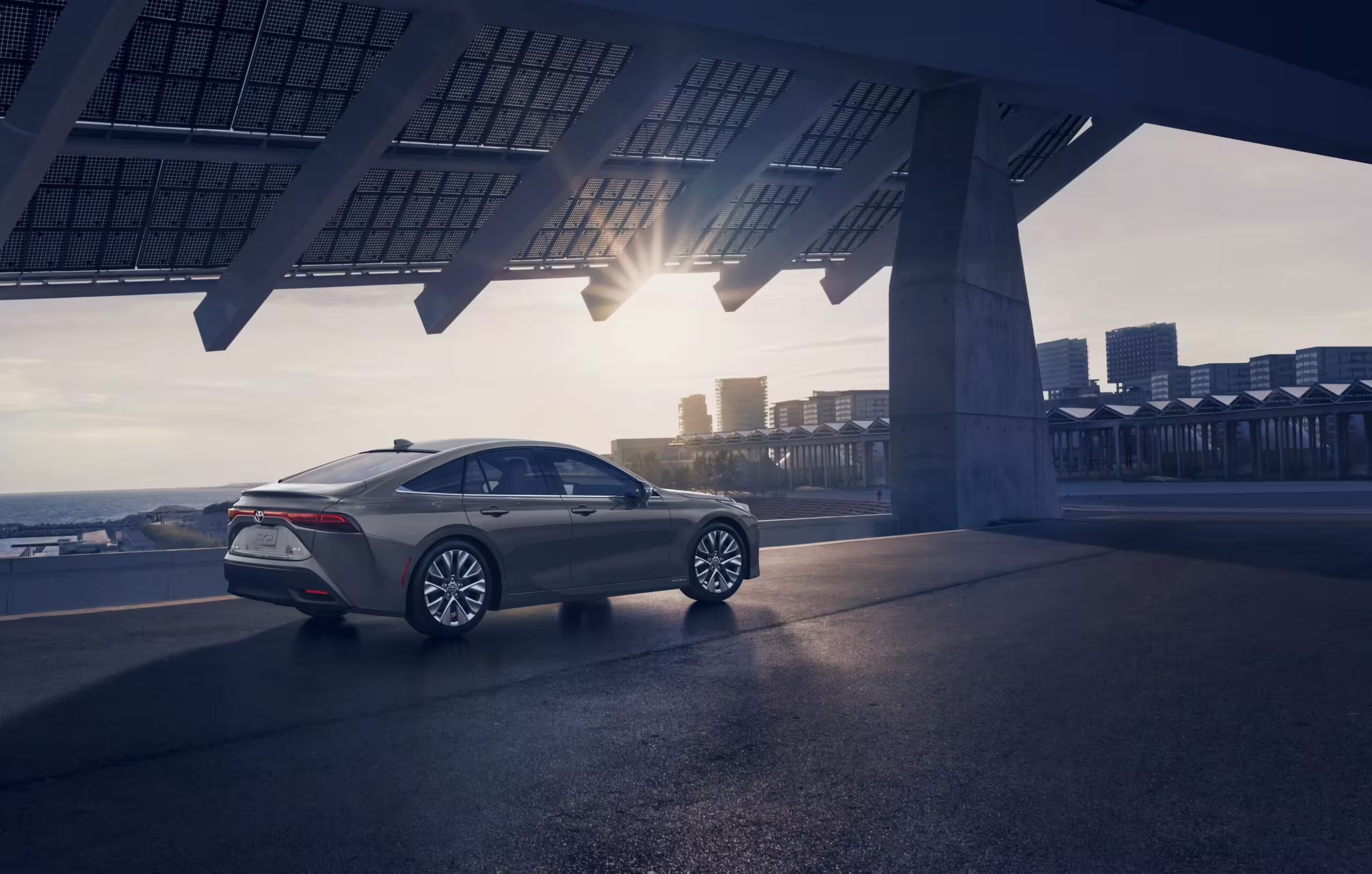
Powertrain figures are modest: the Mirai’s fuel-cell system delivers 182 horsepower and 221 lb-ft (300 Nm) of torque. That output is lower than mainstream gasoline sedans such as the Camry (225 hp), but FCEV ownership is more about energy source, range and technology demonstration than outright performance.
.avif "Breakthrough: The 3MW Hydrogen Superyacht Steering a New Era of Zero-Emission Propulsion")
How the fuel cell works (brief): a PEM (proton exchange membrane) fuel-cell stack uses a platinum-based catalyst to separate hydrogen atoms into protons and electrons. Electrons are forced through an external circuit to produce electricity while the remaining hydrogen ions combine with oxygen to form water — the only tailpipe emission.
Battery, charging and warranties
The Mirai also uses a small lithium-ion battery pack to manage energy flow. Specs:
- 84 cells
- Gross energy capacity: 1.24 kWh
- Nominal voltage: 310.8 V
Toyota backs the Mirai with long-term coverage for key components, including eight- and ten-year warranties for the FCEV system and hybrid battery depending on region and model year.
.avif)
Trim, equipment and technology
For 2026 the Mirai is available only in XLE trim. Standard features are generous and aimed at luxury and convenience:
- Toyota Safety Sense 3.0 active safety suite
- Heated SofTex front seats with power adjustments
- Dual-zone automatic climate control
- Leather-wrapped tilt/telescoping steering wheel
- HomeLink and auto-dimming rearview mirror
- 14-speaker JBL audio system
- 12.3-inch digital instrument cluster
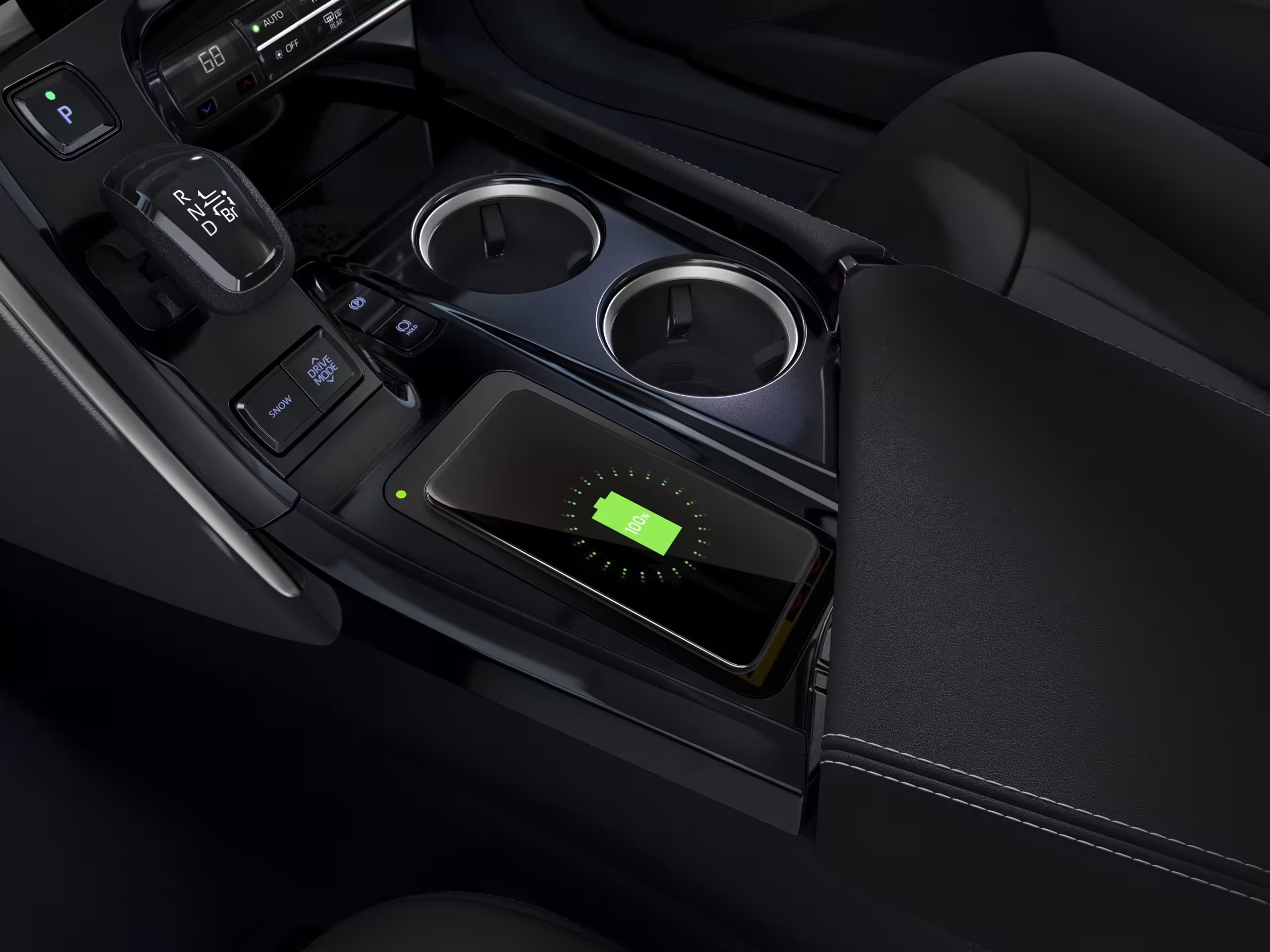
- Wireless smartphone charging pad and four USB ports
- Digital key capability and a three-year trial of Dynamic Navigation
- Water-repellant side windows, footwell lighting
Incentives and perks: current offers for earlier Mirai models have included 0% APR, large cash incentives (notably a $35,000 promotion on some 2025 units), and generous complimentary fueling: $15,000 in hydrogen fuel for three years on leases or six years on purchased vehicles. Programs for college graduates and military buyers are sometimes available as well.
Why the Mirai remains niche
There are several reasons the Mirai hasn’t achieved mainstream success: limited hydrogen refueling infrastructure (even in California), restricted availability, and the high costs associated with producing fuel-cell systems and hydrogen storage. Toyota appears to be keeping the Mirai on sale as a technology demonstrator and halo product rather than volume seller.
For buyers interested in cutting-edge alternative propulsion, the Mirai offers a unique proposition: long EPA range, rapid refueling, premium features and Toyota’s engineering pedigree. For most mainstream buyers, battery-electric vehicles with broader charging networks remain the more practical choice.
Bottom line
The 2026 Toyota Mirai makes no dramatic moves — an update of wheels and continued generous standard equipment keeps it relevant for the small group of buyers pursuing hydrogen tech. If you want hydrogen range, an advanced FCEV platform, and a well-equipped luxury sedan, the Mirai remains one of the few options in the U.S. market. But until infrastructure and broader market support improve, its role will likely stay that of a specialist rather than a mass-market alternative.


Leave a Comment
Comments (2)
Nice effort, but wheels? thats the whole update? lol.. Toyota playing it safe, I get keeping it niche but infra needs a miracle. still cool tech tho
is this even real? 402 miles sounds awesome but where do you refuel, CA only, just 157 sold Jan to Oct. feels like a tech demo if thats real...