

3 Minutes
TGR launches a new GR GT flagship
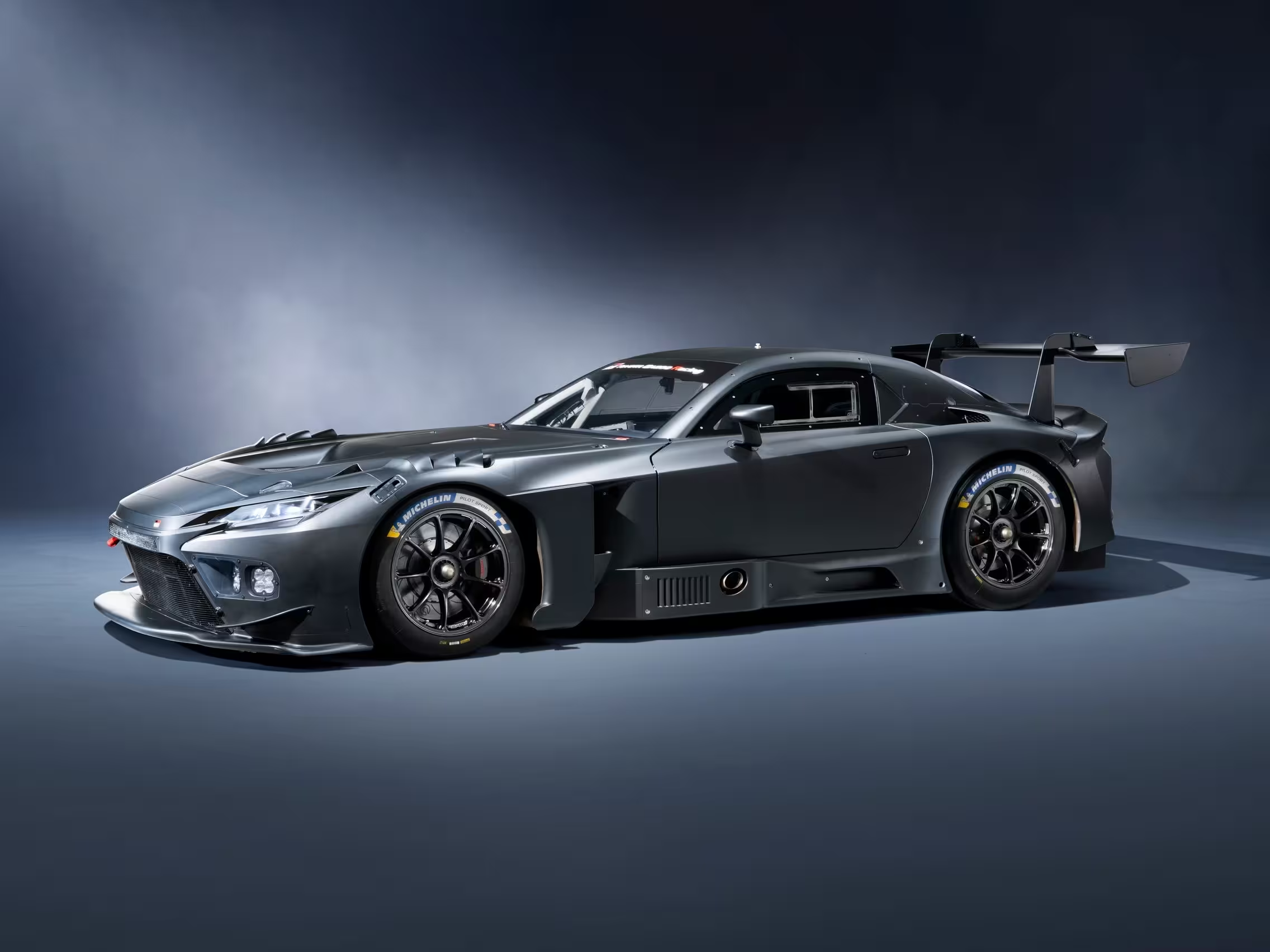
Toyota Gazoo Racing (TGR) has stepped out under its own name with a pair of high-performance machines: a road-legal GR GT flagship and its race-focused sibling, the GR GT3. Displayed publicly as development prototypes, both cars wear TGR branding rather than traditional Toyota badges — a clear signal that Gazoo Racing is maturing into a distinct performance sub-brand.
One car, two purposes
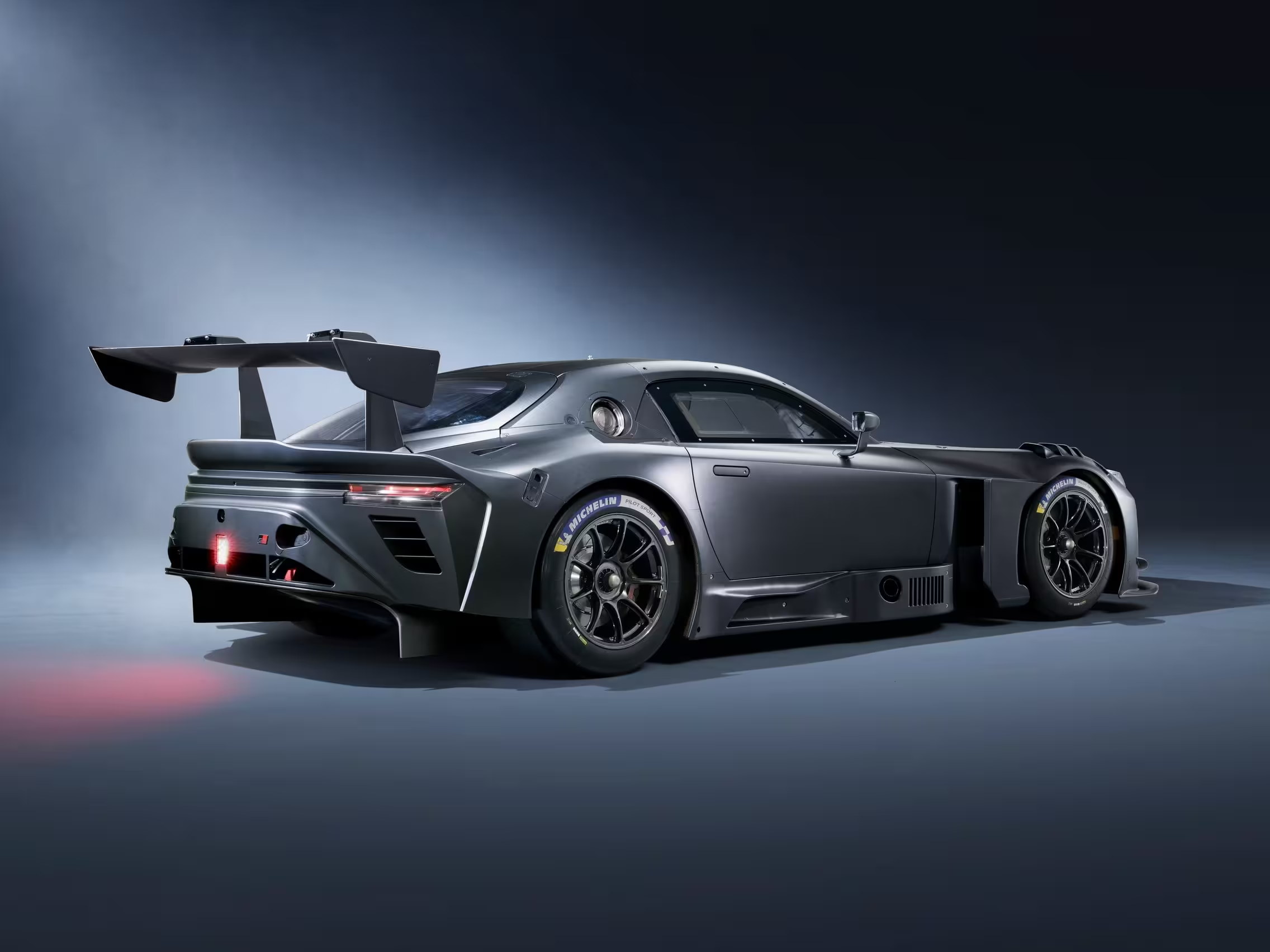
The two models are closely related: the street-going GR GT serves as the homologation base, while the GR GT3 is developed to FIA GT3 regulations for customer racing teams. TGR frames the project around three engineering priorities: an ultra-low center of gravity, minimal weight paired with high rigidity, and relentless aerodynamic efficiency. In short, the GR GT aims to be a road-legal race car built with full motorsport DNA.
Heritage and first impressions
During teasers, TGR pointed back to icons such as the Toyota 2000GT and the Lexus LFA, signaling a lineage of dramatic front-engined sports cars. The prototype reveal delivers on that promise: a long-hood silhouette optimized for aero, complemented by a menacing GR GT3 development car that screams track intent.
Powertrain and performance
At the heart of both cars sits a newly developed 4.0-liter twin-turbo V8 producing around 640 horsepower. TGR pairs this internal combustion engine with an electrified assist: a single electric motor integrated into the transaxle, boosting peak torque to roughly 850 Nm (about 627 lb-ft). Power is sent to the rear wheels via a newly developed eight-speed automatic transmission.
- Engine: 4.0L twin-turbo V8 — ~640 hp
- Torque (combined): ~850 Nm / 627 lb-ft
- Drivetrain: Rear-wheel drive with transaxle-mounted electric motor
- Gearbox: New 8-speed automatic
Chassis, materials and weight targets
In a departure from Toyota's previous architectures, TGR says this is the company's first full aluminum body chassis for a production-intent sports car. To reduce mass further, engineers have integrated carbon fiber-reinforced plastic (CFRP) in key areas, plus other lightweight plastics and composites. The target curb weight is ambitious: around 1,750 kg (3,858 lb) or lower.
Suspension uses full double-wishbone geometry with coil springs at both axles, while braking is handled by large carbon-ceramic discs. Lightweight 20-inch wheels complete the specification, underscoring the car's dual mission: thrilling road manners and race-ready dynamics.
Design and packaging
TGR engineers focused on packaging to lower the center of gravity — reportedly placing it as low as the driver's knees — a detail that underscores the car's race-first intent. The GR GT keeps a classic long-hood profile to balance aerodynamic efficiency with evocative sports-car styling.
Where it fits in the market
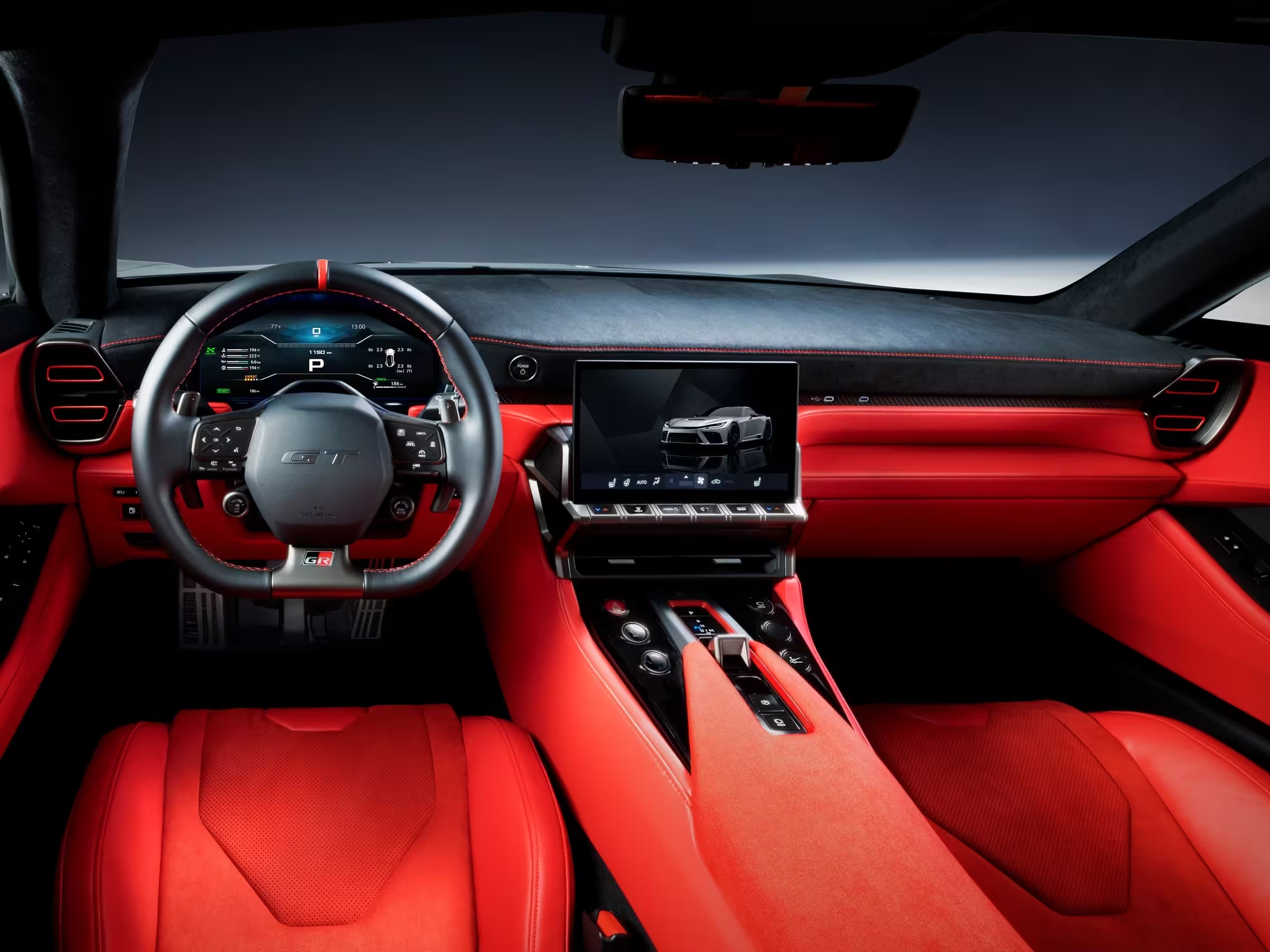
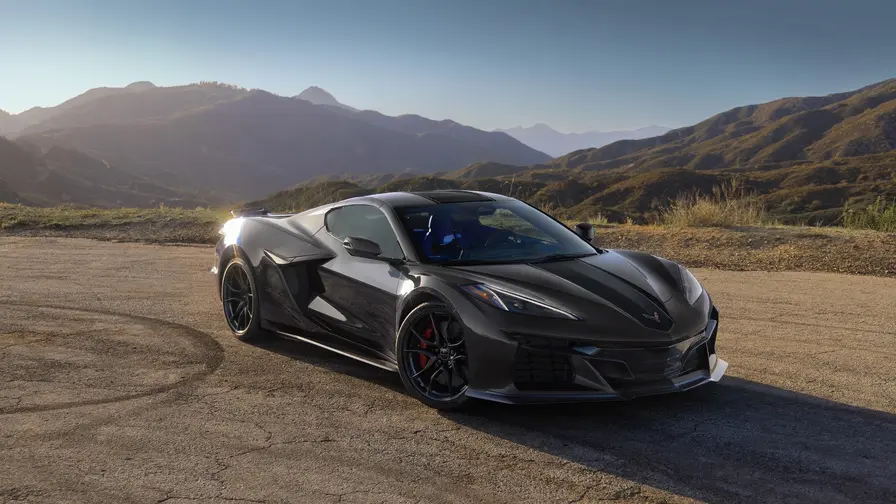
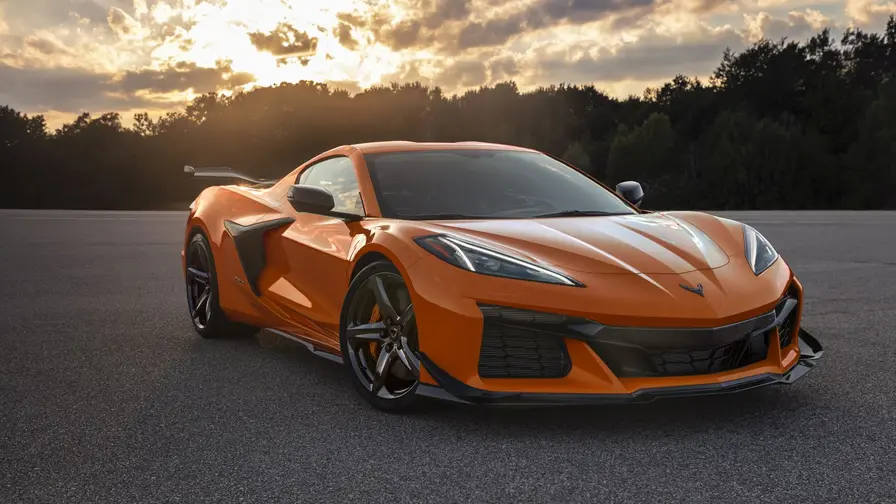
The GR GT and GR GT3 squarely target buyers who want race-bred performance with modern hybrid-assisted powertrains. One immediate comparator is General Motors’ Corvette E-Ray — another performance hybrid that mixes V8 power with electrification — though TGR’s all-aluminum chassis and explicit GT3 racing ambition suggest a different focus and character.
'A road-legal race car that advances TGR's motorsport philosophy,' says Gazoo Racing of the GR GT project.
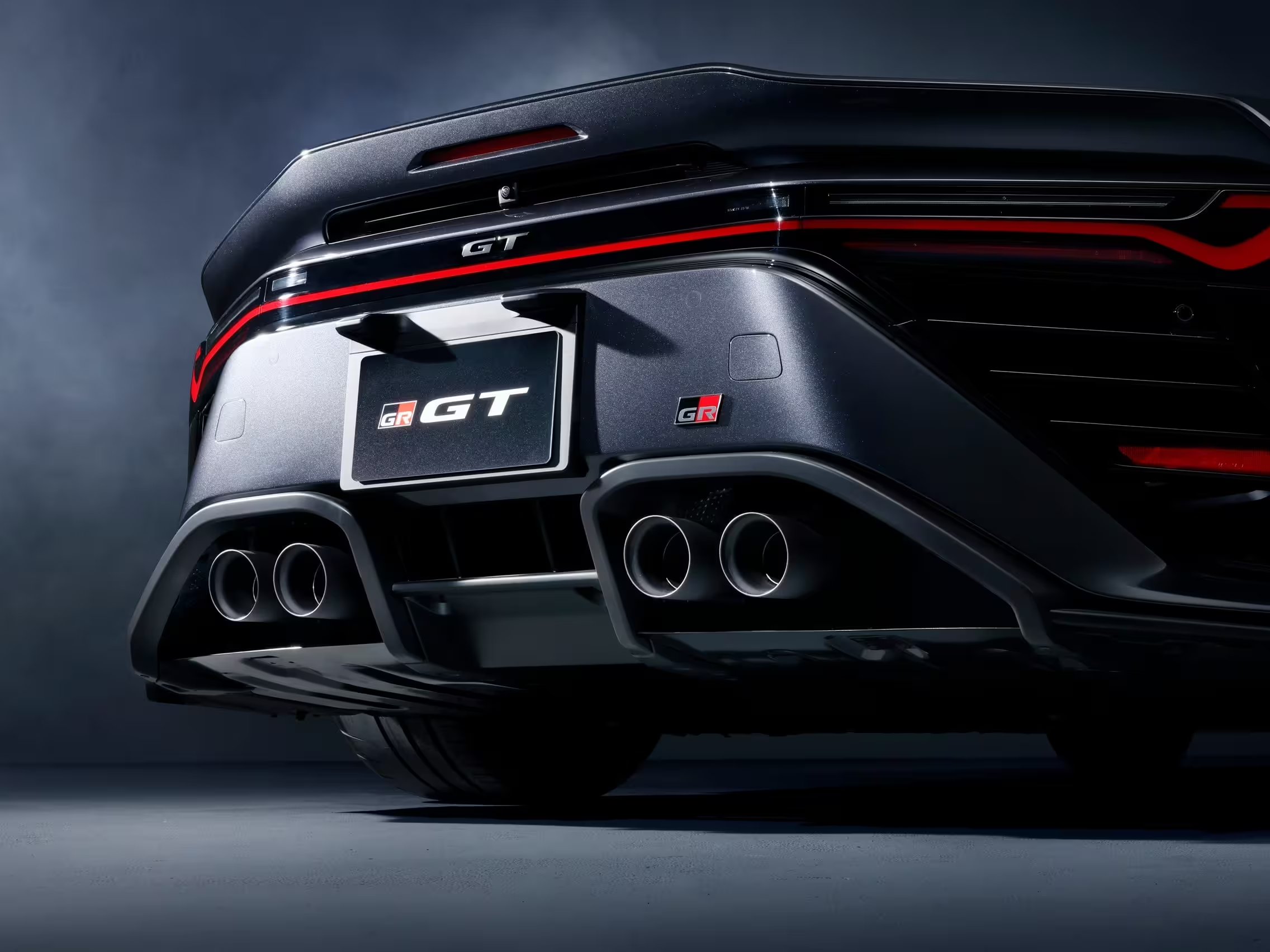
With production-intent prototypes now public, next steps will include final testing, homologation, and customer racing entries for the GT3 model. For enthusiasts, the GR GT project signals a bold new chapter for Toyota Gazoo Racing: an in-house sub-brand that can race and sell cars with true motorsport credibility.








Leave a Comment
Comments
No comments yet. Be the first.