
3 Minutes
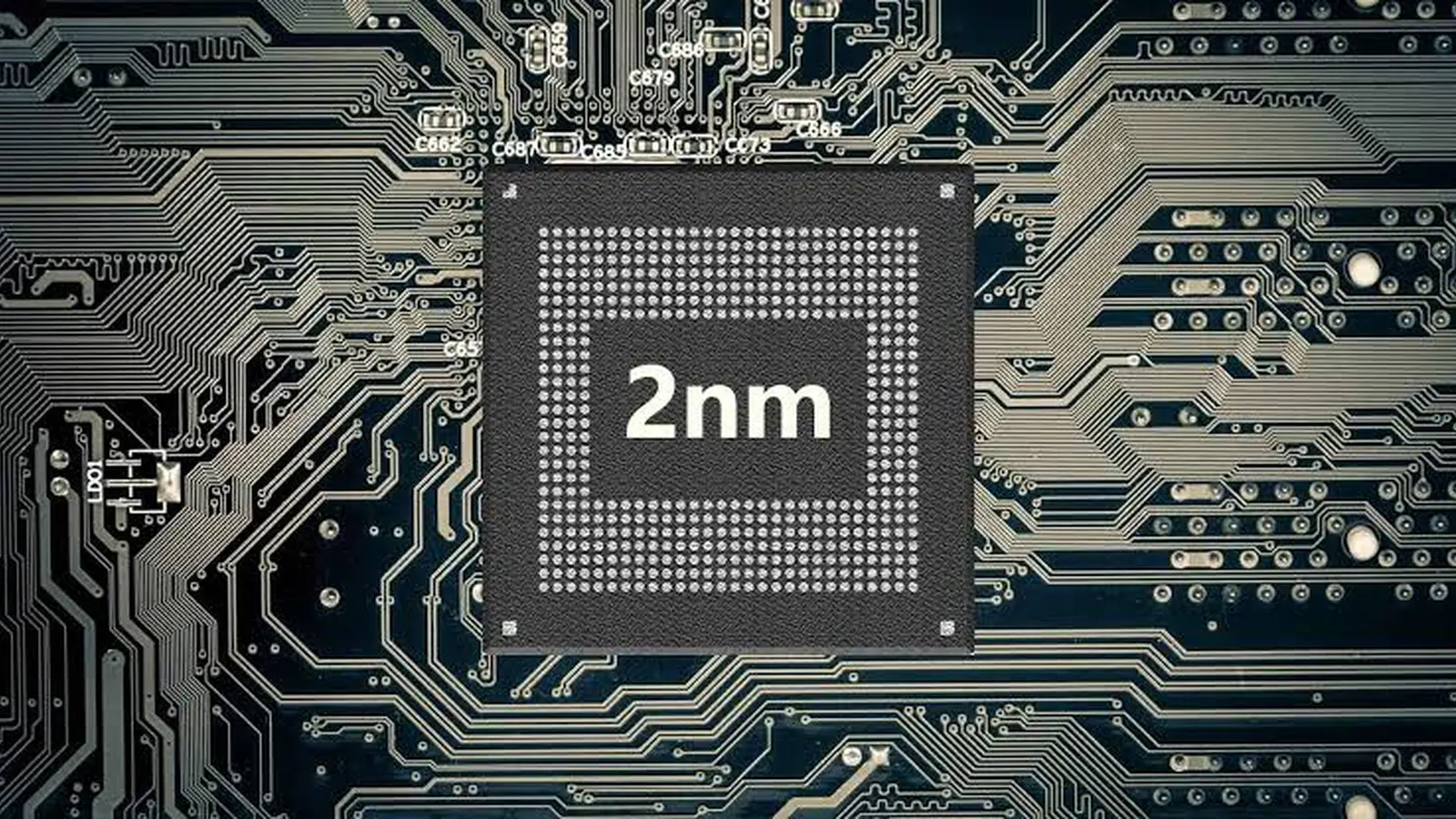
AMD is reportedly exploring Samsung’s maturing 2nm process as it looks to reduce reliance on TSMC. With foundry prices rising and supply-chain concentration creating risks, the chipmaker may be weighing a strategic move that could reshape future CPU and GPU production.
Why AMD is shopping for alternatives
TSMC has long been the go-to partner for bleeding-edge silicon, but dominance has its downsides: fewer choices and upward pressure on costs. TSMC’s announced price increases over the next three years have put customers on alert. For AMD, which needs predictable capacity and competitive margins, diversifying foundries makes both tactical and financial sense.
What’s changed at Samsung’s 2nm line
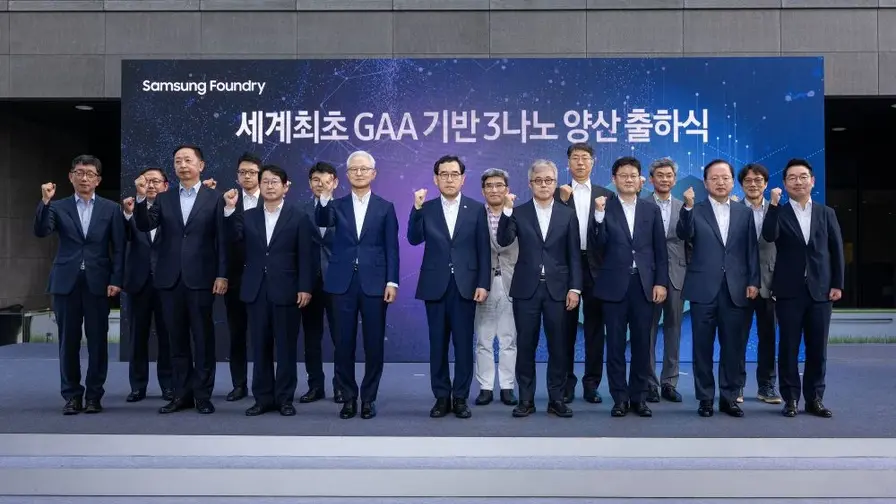
Samsung’s leading-edge roadmap has had stumbles in the past, especially around yields that scared off some large orders. That seems to be shifting. South Korean reports say Samsung’s first 2nm chips showed encouraging yield and performance results, and the company has been landing major customers like Apple and Tesla—signals that its processes are stabilizing.
SF2P: the version AMD reportedly favors
Crucially, AMD isn’t expected to sign up for Samsung’s initial 2nm rollout. Instead, insiders say the target is SF2P, Samsung’s second-generation 2nm node. Samsung advertises SF2P as a higher-performance option offering better power efficiency and a smaller die area than its first 2nm iteration. Mass production for SF2P is slated for 2026, with an enhanced SF2P+ arriving around 2027.

Meetings, timing, and the deal window
The buzz includes a potential face-to-face between Samsung chairman Lee Jae-yong and AMD CEO Lisa Su to discuss a partnership. If talks go smoothly, sources suggest a deal could be announced as soon as next month. That timeline reflects AMD’s preference to wait for a more mature node rather than leap in at launch—typical caution for high-volume, high-value designs.
Industry implications: competition, costs, and capacity
- Price pressure: More foundry competition could blunt TSMC’s ability to lift prices unchecked.
- Capacity diversification: AMD securing slots at Samsung would reduce single-supplier risk during peak demand cycles.
- Product tradeoffs: Moving to a new node and foundry requires design adjustments and validation—so benefits arrive over multiple product generations.
Imagine AMD splitting workloads: high-volume, mature-node parts at one foundry and cutting-edge dies at another. That flexibility can lower costs, improve resilience, and spur innovation—assuming yield and performance targets hold up in production.
What to watch next
Keep an eye on official announcements from AMD and Samsung, the SF2P mass-production timeline in 2026, and any early silicon reports tied to power, frequency, and yield. If AMD signs with Samsung, it won’t just be a single contract—it's a sign the competitive landscape among foundries is shifting, and Big Tech customers are willing to play suppliers off each other to protect margins and capacity.
For consumers, changes may be subtle at first: marginal price relief or faster rollout of new chips. For the industry, a credible second source for 2nm-class manufacturing would be a meaningful step toward a more balanced foundry market.













Leave a Comment
Comments
No comments yet. Be the first.