
3 Minutes
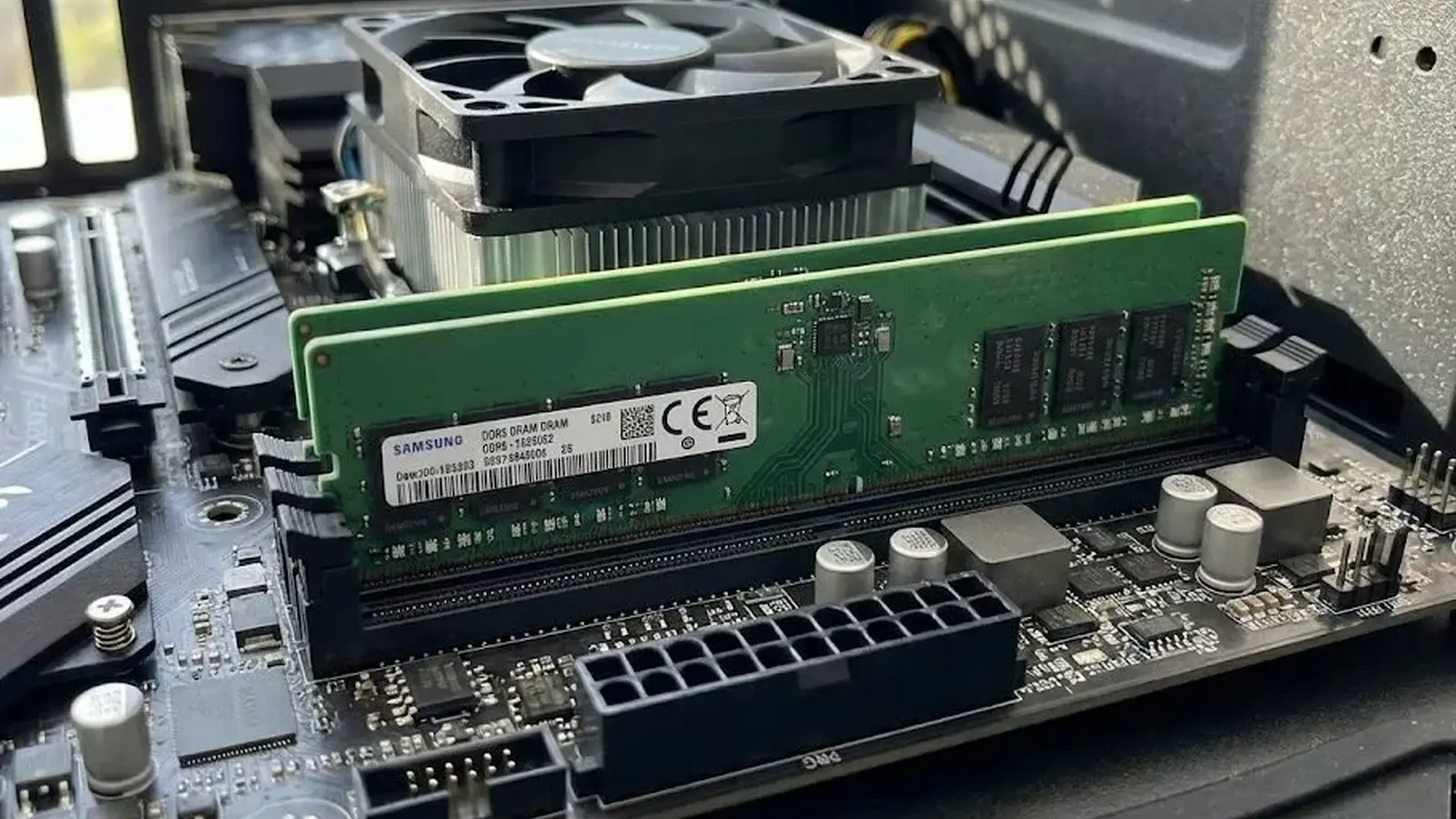
As DDR5 memory prices stay stubbornly high, a growing number of PC builders and hardware modders are taking matters into their own hands — literally. By assembling raw DDR5 PCBs and soldering memory ICs themselves, enthusiasts aim to upgrade systems without paying premium retail prices.
Why some builders are turning to DIY DDR5
Global shortages and rising component costs have pushed DDR5 prices up, and analysts warn the squeeze could last into 2027. For everyday users and small system builders, that means upgrades feel out of reach. So a subset of experienced modders has revived an old trick — manually building memory modules — to close the gap between need and affordability.
How the process works
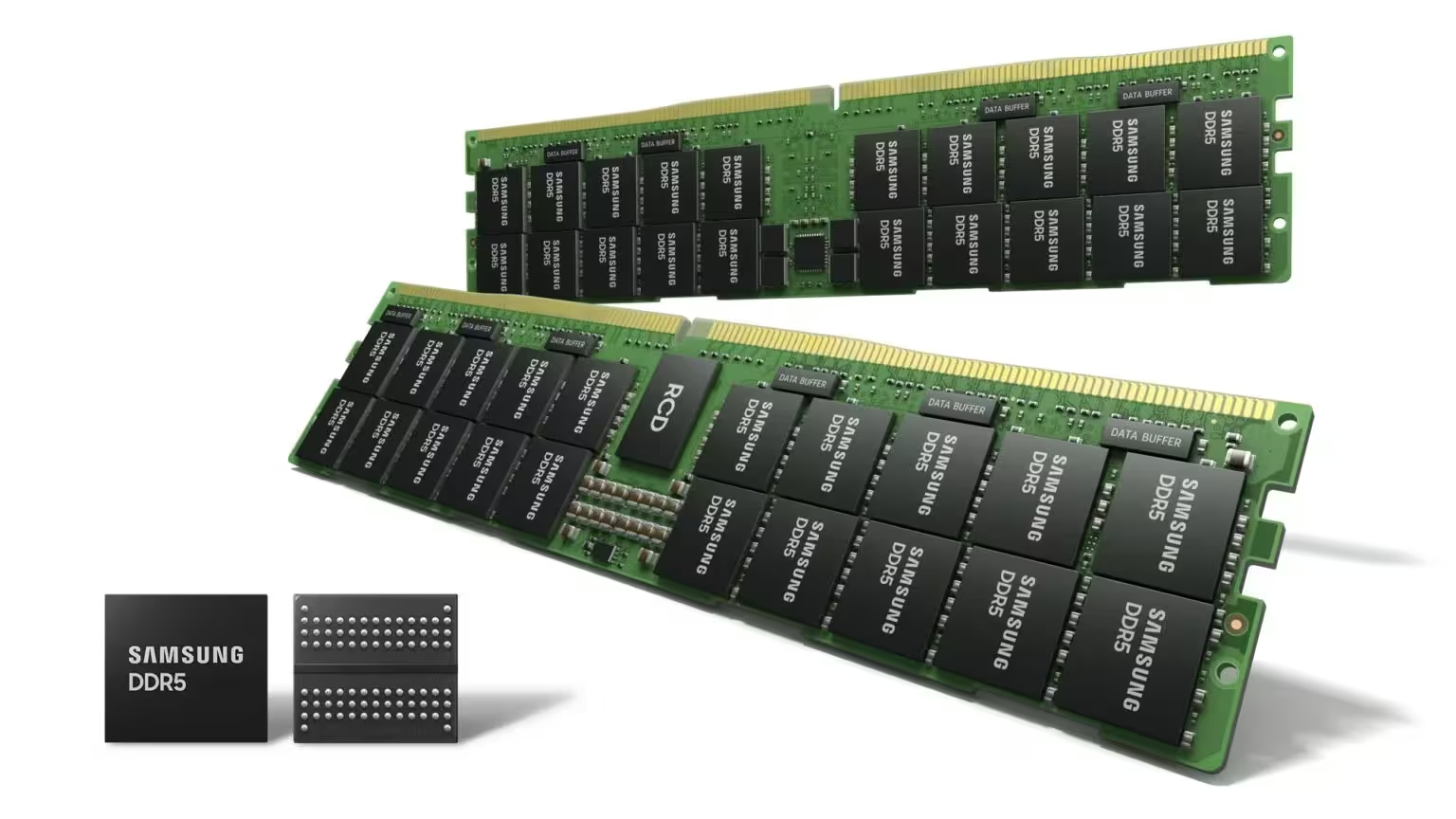
The DIY route is straightforward in concept: source a blank DDR5 PCB, buy discrete memory ICs, then solder and test the completed module. Thanks to manufacturers in China who sell predesigned DDR5 PCBs, the technical barrier is lower than it used to be. But the devil is in the details — the job still demands precise soldering and careful validation of the finished module.
Costs, comparisons, and potential savings
Estimates put the build cost of a 16GB DDR5 module at roughly $150. By comparison, branded ready-made modules such as a 16GB DDR5-5600 stick from A-Tech retail for about $190. That price gap can widen further if builders buy parts in bulk or find cheaper ICs, making DIY attractive for workshops or small community groups.
- Estimated DIY cost for 16GB DDR5: about $150
- Retail 16GB DDR5-5600 (example): about $190
- Potential savings depend on parts sourcing and soldering success rate
The trade-offs: skills, tools, and risks
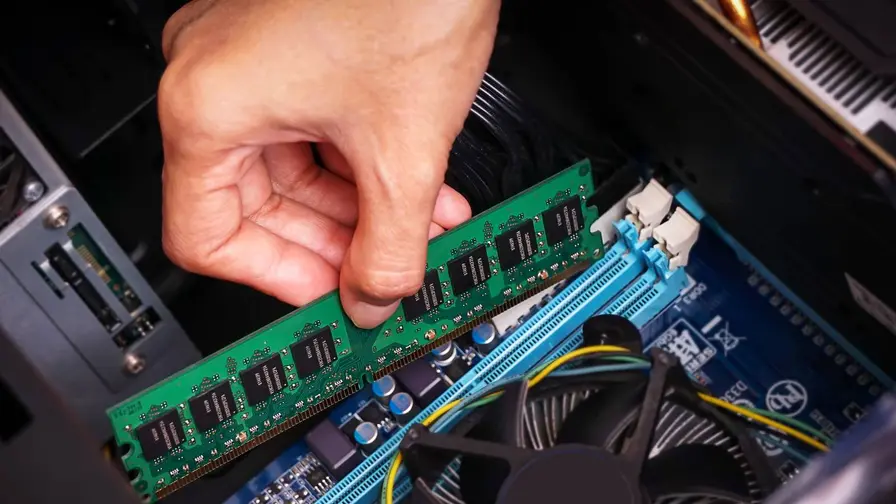
This is not a hobby for beginners. Building a stable DDR5 module requires fine-pitch soldering skills, proper test equipment, and time. Failures and instability are real possibilities — and there is no warranty or manufacturer support when something goes wrong. If you value guaranteed reliability or zero downtime, retail memory remains the safer choice.
When DIY makes sense
DIY DDR5 appeals to experienced modders, small-scale system builders, and anyone comfortable accepting risk for lower cost. It also reflects growing frustration among PC assemblers faced with inflated memory prices. But for most users, buying from established brands will still be the recommended path.
Where this trend might lead
Imagine a local modder collective pooling orders for PCBs and chips to drive down per-unit costs. Or small labs offering pre-assembled, community-tested modules as a middle ground between raw DIY and expensive retail. Either way, the rise of handmade DDR5 modules is a signal: when supply and price pressure increases, creativity and grassroots solutions often follow.
Source note: reporting based on findings shared by the Pro Hi-Tech Telegram channel and market comparisons.






Leave a Comment
Comments
No comments yet. Be the first.