
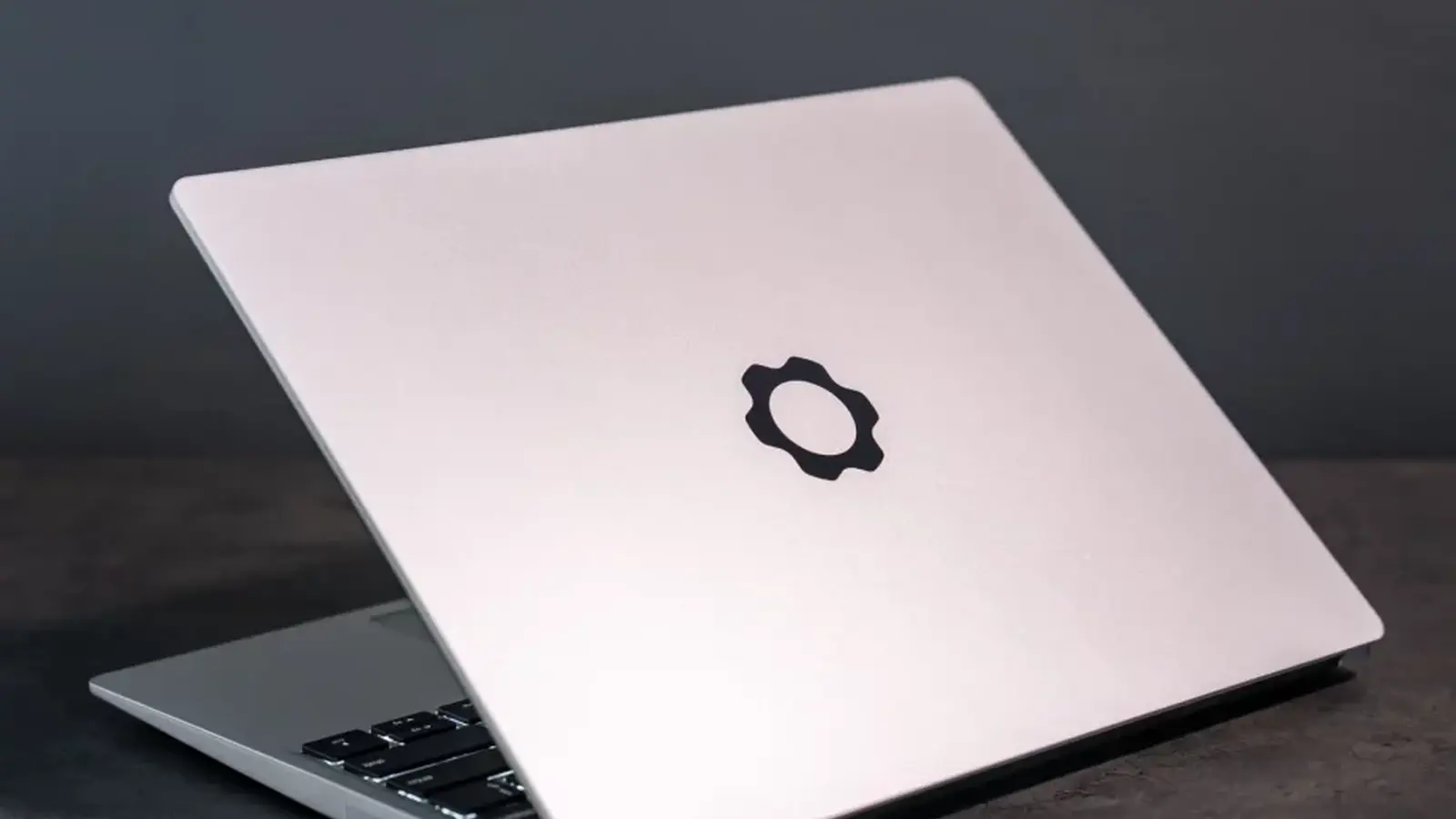
Framework, the maker of modular laptops, has increased DDR5 memory prices again — this time charging a baseline of $10 per gigabyte for commonly used modules. The move reflects a persistent global RAM shortage and rising supplier costs that are beginning to reshape DIY laptop configurations and the broader PC market.
Per-GB pricing kicks in — and larger modules cost even more
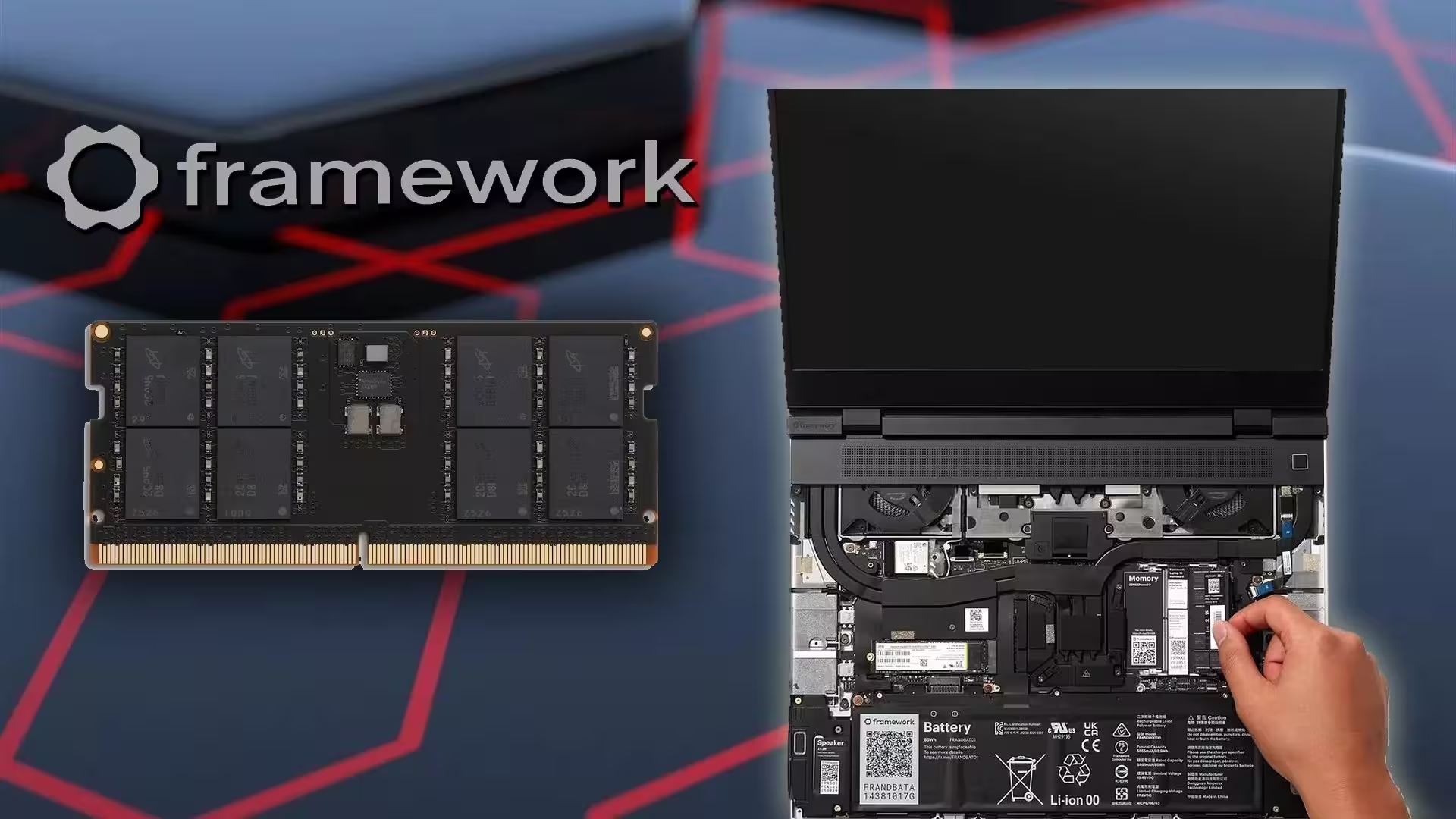
Framework now applies a fixed $10-per-GB pricing for mainstream DDR5 modules (8 GB, 16 GB, 32 GB). Modules with higher capacities — starting around 48 GB — carry a premium above that base rate. The company says this is a direct response to higher procurement costs from memory suppliers and distributors.
What the new prices look like
- 8 GB: jumped from $60 to $80
- 16 GB: moved from $120 to $160
- 32 GB: rose from $240 to $320
- 48 GB: surged dramatically — from roughly $240 in June 2025 to about $620 today
- 64 GB: offered as 2×32 GB for $640
- 96 GB: offered as 2×48 GB for $1,240
These increases translate into noticeably higher prices when configuring Framework's DIY Edition laptops. Framework has also flagged that further increases are possible as supply costs continue to climb.
Why this matters to buyers and the wider market
Imagine building a modular laptop and suddenly seeing the RAM option jump by hundreds of dollars. For DIY builders who planned upgrades, the simplest capacities now cost significantly more. Beyond Framework's ecosystem, higher memory prices can ripple through the PC and smartphone supply chains, pushing device prices up across the board.
Workarounds and short-term advice
Framework is not selling DDR5 modules separately right now, a move designed to protect inventory and prioritize complete systems. To help customers, the company suggests ordering the DIY Edition without RAM so buyers can reuse existing modules or source memory independently.
If you depend on high-capacity RAM, consider these options: reuse compatible sticks you already own, buy modules from third-party retailers if available, or delay large-capacity upgrades until price pressure eases. Bear in mind suppliers have warned that RAM costs could continue rising into early 2026.
In short: this price reset is a sign of a tighter memory market. For builders and buyers, it’s worth weighing immediate needs against the possibility of continued price volatility.

Leave a Comment
Comments
No comments yet. Be the first.