
4 Minutes
LPDDR6 is shaping up to be the next big upgrade for flagship phones — and the Galaxy S26 could benefit the most. With far higher bandwidth, smarter power management, and built-in error correction, LPDDR6 promises snappier apps, longer battery life under heavy workloads, and greater reliability for demanding mobile AI and gaming tasks.
What LPDDR6 actually changes for phones
At a glance the numbers tell the story: LPDDR5X peaks at about 8.533 Gbps per pin, while LPDDR6 is rated between 10.667 Gbps and 14.4 Gbps. That jump translates to roughly double the total data throughput in real-world use — a major leap for memory-bound tasks like loading game worlds, running on-device AI models, or editing 4K video.
- Higher bandwidth: Up to 14.4 Gbps lets the system stream textures, models, and media far faster than LPDDR5X.
- Wider channels: LPDDR6 uses two 12-bit channels per die (24-bit total) instead of the 2×8-bit lanes common today, increasing parallel reads and writes and reducing latency.
- Smarter power modes: New features like DVFS-L and single‑channel low-power states let the memory throttle itself when idle, improving efficiency.
- Built-in reliability: On-die ECC and parity checks help prevent crashes and data corruption during intense use.
Real gains you’ll notice every day
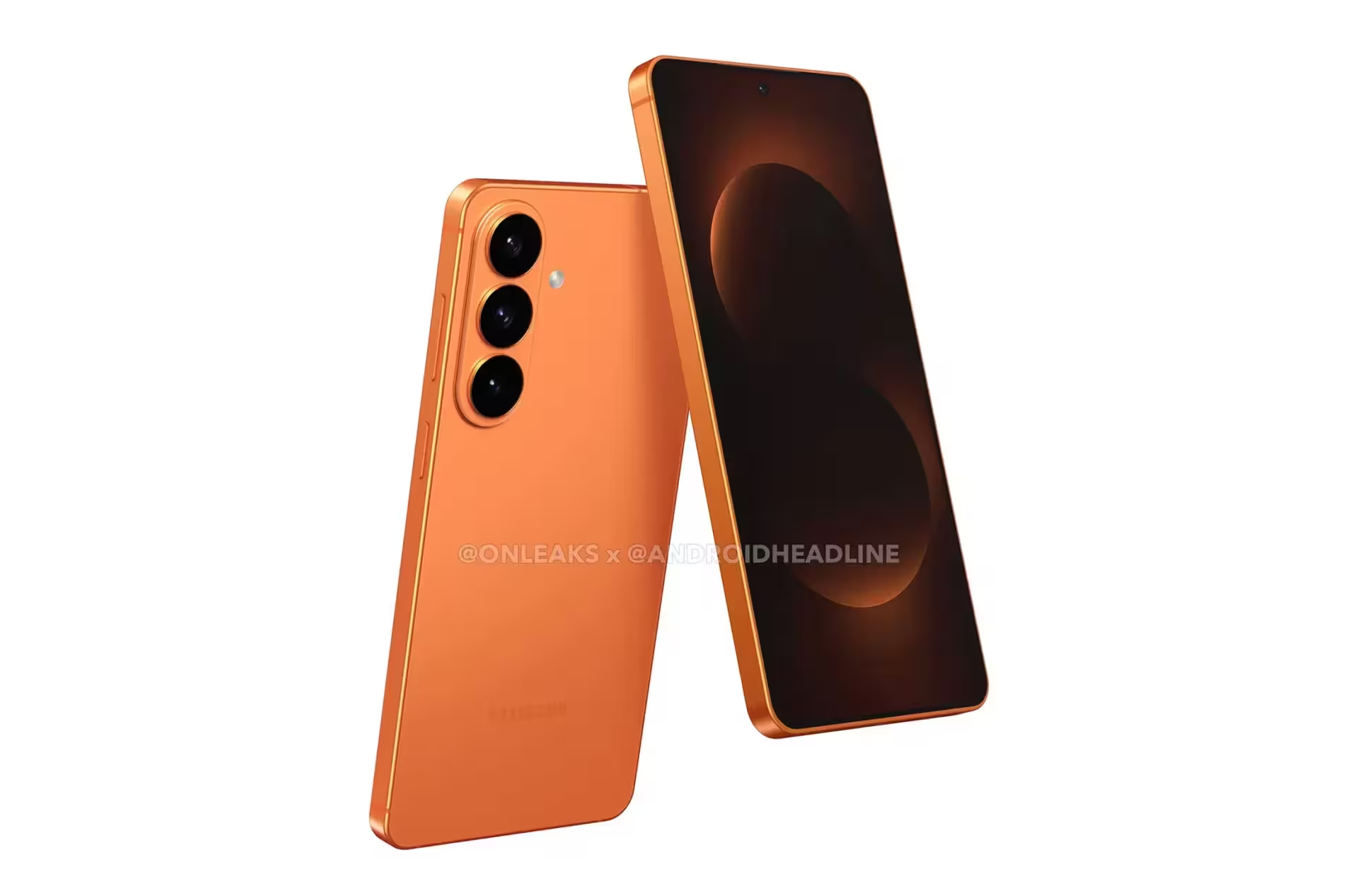
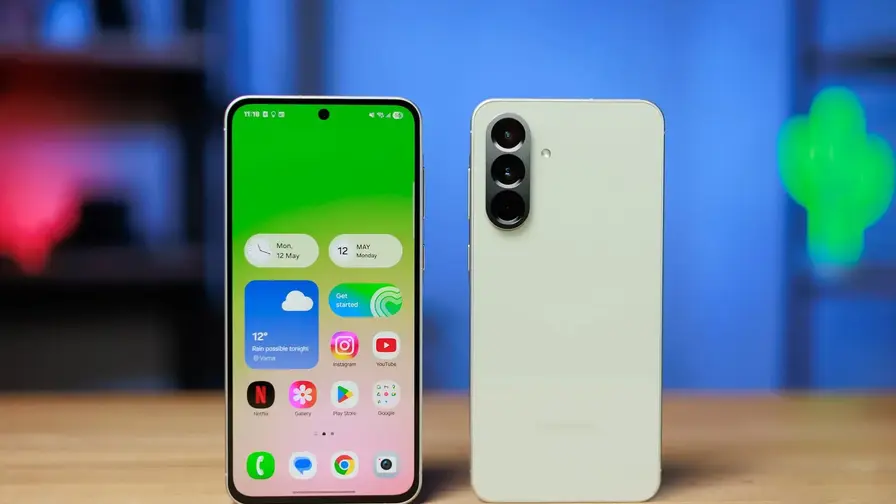
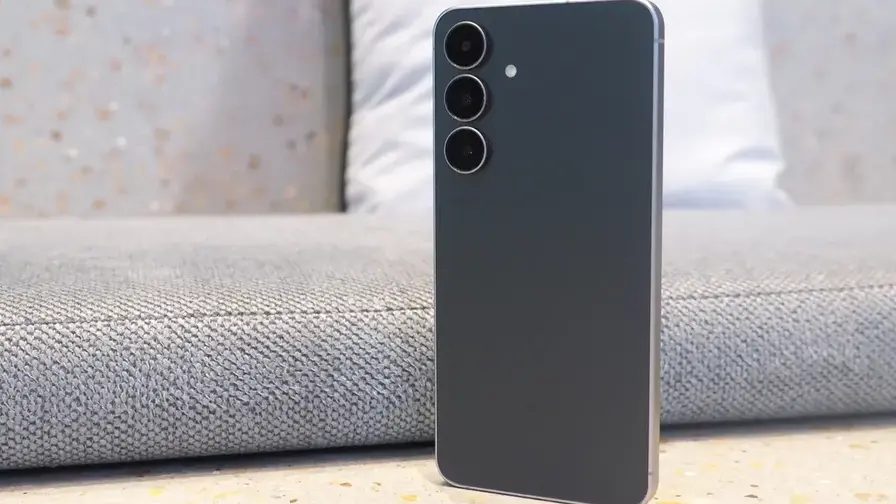
What does that mean for someone holding a Galaxy S26? Expect faster app launches, smoother multitasking, and fewer stutters in high-end mobile games. Open-world titles will load assets faster; photo and video apps can buffer more frames for burst capture and high-speed recording. Analysts already praised LPDDR5X for boosting experiences in gaming and streaming — LPDDR6 amplifies those wins.
Because LPDDR6 carries more data per second, complex features such as on-device AI inference and advanced computational photography will run with lower latency. In short: the phone will feel quicker, not just in benchmarks but in everyday interaction.
Battery life: more than just a side benefit
LPDDR6 doesn’t only chase raw speed. By lowering operating voltages and powering down unused channels, it cuts dynamic power consumption by roughly a fifth compared with earlier mobile DRAM. Samsung’s internal tests point to about 21% improved energy efficiency for AI and inference tasks versus older memory generations. That won’t double your battery, but under sustained loads — streaming, gaming, or heavy AI tasks — you’ll see noticeably better endurance.
When reliability matters: ECC on the die
One subtle but important upgrade is on-die ECC and parity checking. Memory errors that previously might corrupt a photo or crash an app are now detected and corrected on the fly. For power users who push devices hard — long gaming sessions, lots of camera frames, or continuous AI processing — this added robustness reduces annoying glitches and improves long-term device stability.
Why the S26 might be delayed: the global RAM crunch
LPDDR6 sounds ideal, but it’s also a scarce resource right now. Leaks suggest Samsung has pushed the Galaxy S26 unveiling into late February 2026, with sales slated for March instead of the typical January window. The likely culprit is a tight high-speed DRAM market: booming AI and data-center demand has strained production of mobile LPDDR5X and LPDDR6 chips.
Industry noise has included reports of high-level talks between Samsung and Micron at CES 2026 to negotiate LPDDR5X and LPDDR6 supply. Price spikes for premium mobile DRAM and limited inventory could force later launches or higher retail prices. So while LPDDR6 would be a headline feature, availability and cost will shape how widely it shows up in early Galaxy S26 units.
What to watch next
If you care about raw performance and future-proofing, watch for handset specs that list LPDDR6, on-die ECC, and the advertised bandwidth. Those lines on the spec sheet will have tangible effects in demanding apps. And keep an eye on announcements in the coming months — both for formal confirmation of S26 memory choices and any pricing or release changes tied to DRAM supply.
LPDDR6 isn’t just another incremental spec — it’s the kind of memory upgrade that can reshape daily phone performance, especially as AI and high-resolution media become central to the smartphone experience.





Leave a Comment
Comments (2)
Is this even true? On-die ECC sounds neat but will they actually ship LPDDR6 widely, or just in limited SKUs? Price will decide.
Wow, if LPDDR6 really doubles throughput that could make phones feel brand new, day-to-day. Hope prices dont skyrocket tho, fingers crossed!