
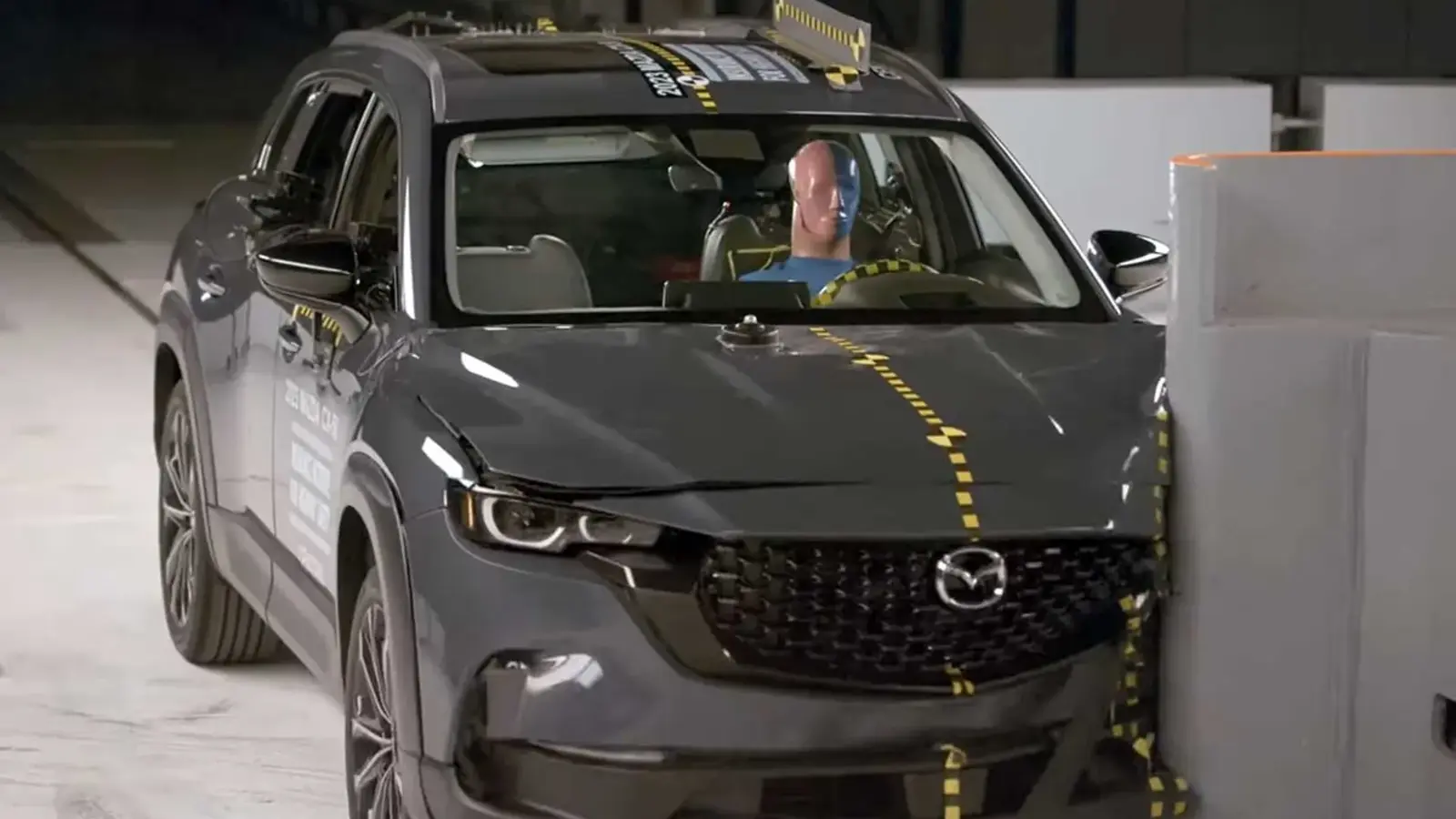
Mazda outruns Volvo to claim top safety crown in 2026
Mazda has been named the safest car brand in Consumer Reports' 2026 safety ranking, edging out established safety leaders such as Volvo. The assessment takes a broad view of modern vehicle safety, weighing crash protection, emergency handling, standard driver-assist features and even how intuitive interior controls are for drivers.
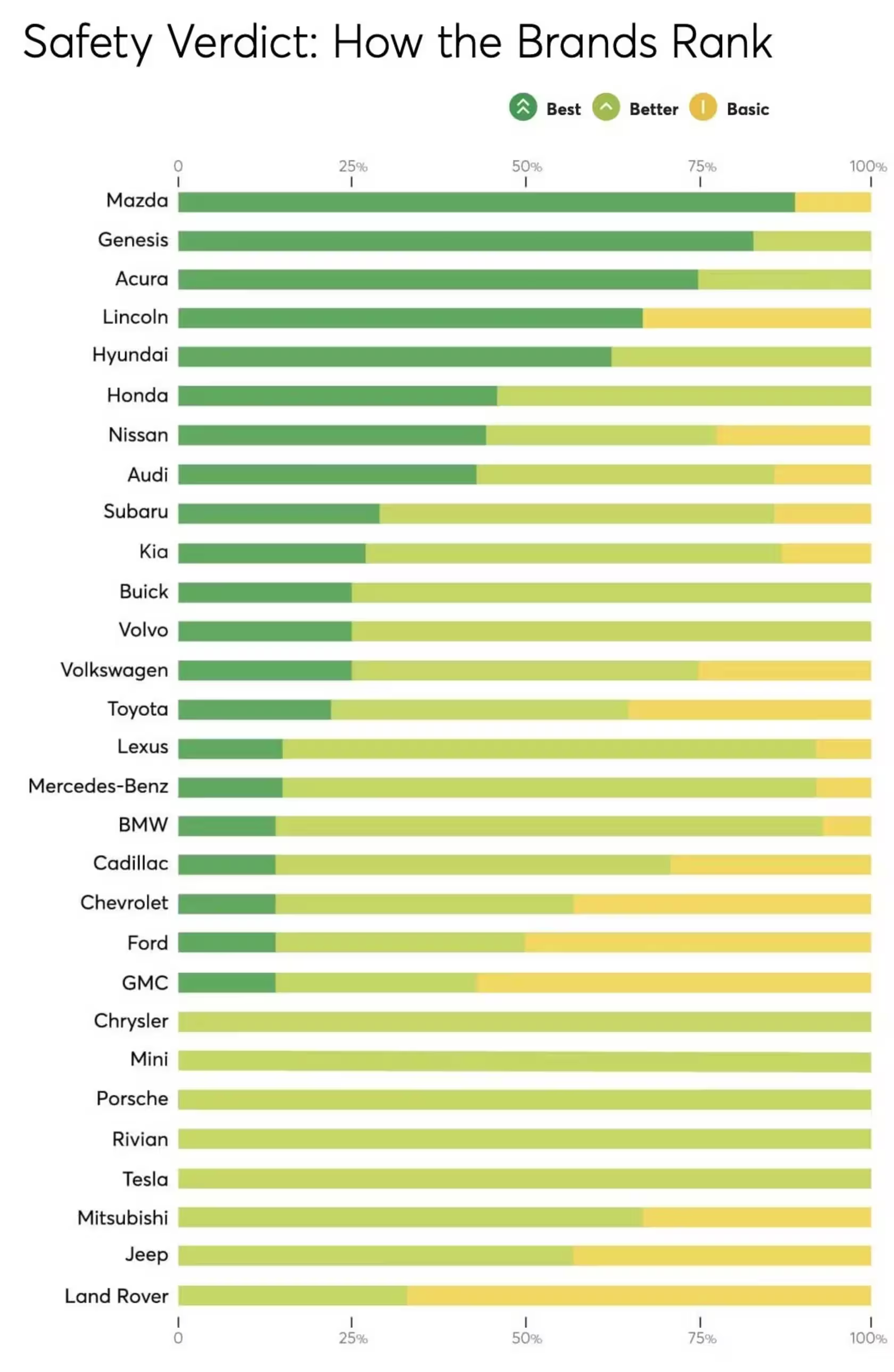
What Consumer Reports looked at
Consumer Reports evaluated brands across three tiers—"Basic," "Better," and "Best." The methodology blends crashworthiness (NHTSA and IIHS results), braking performance, stability in poor weather and the presence of standard all-wheel drive where relevant. At the "Best" level the review also factors in distracting infotainment systems and the availability of key safety tech such as:
- Automatic emergency braking (AEB) as standard
- Blind-spot warning
- Rear cross-traffic alert
- Ergonomic, low-distraction controls
"A safe car must have predictable handling and braking, and controls that do not pull the driver's focus away from the road," says Dr. Emily Thomas, head of vehicle safety at Consumer Reports.
Why Mazda rose to the top
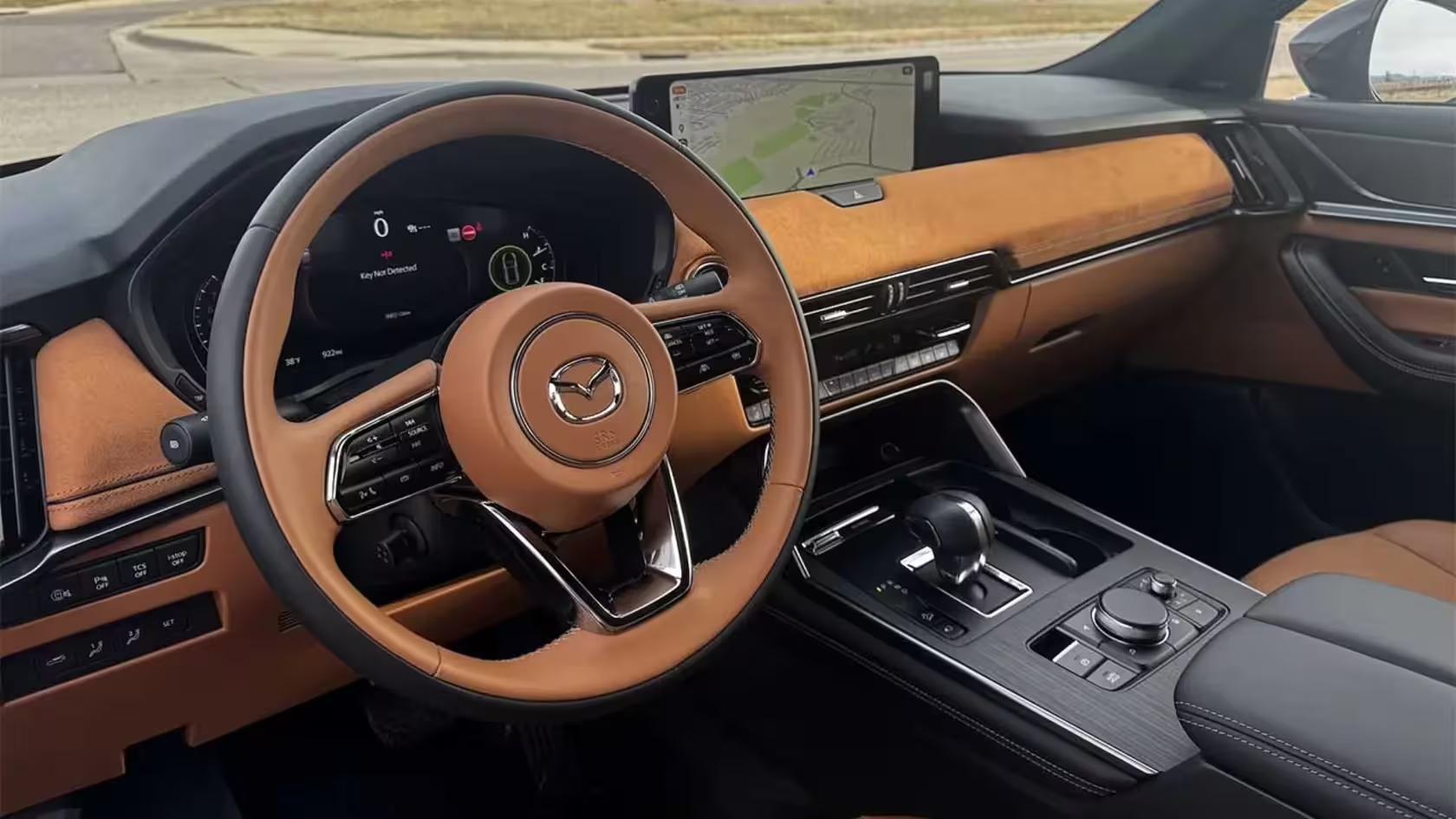
Several elements helped Mazda outperform rivals. The brand’s human-centered safety philosophy—prioritizing predictable dynamics and simple, tactile controls—resonated with CR’s emphasis on minimizing driver distraction. Most Mazda models already carry strong IIHS marks: many are Top Safety Pick+ winners, and the new CX-70 scored full marks in both IIHS and NHTSA evaluations.
Key reasons Mazda topped the list:
- Consistently high crash-test and safety-agency ratings
- Standardization of essential driver-assist systems
- Ergonomic interior layouts that reduce distraction
- Vehicle dynamics that promote predictable emergency handling
Notably, Mazda achieved this despite producing the lightweight, rear-wheel-drive MX-5 Miata. Consumer Reports often downgrades vehicles under about 1,130 kg (2,500 lb) because of higher crash risk, yet Mazda’s overall brand safety performance still bested competitors.
How other brands fared
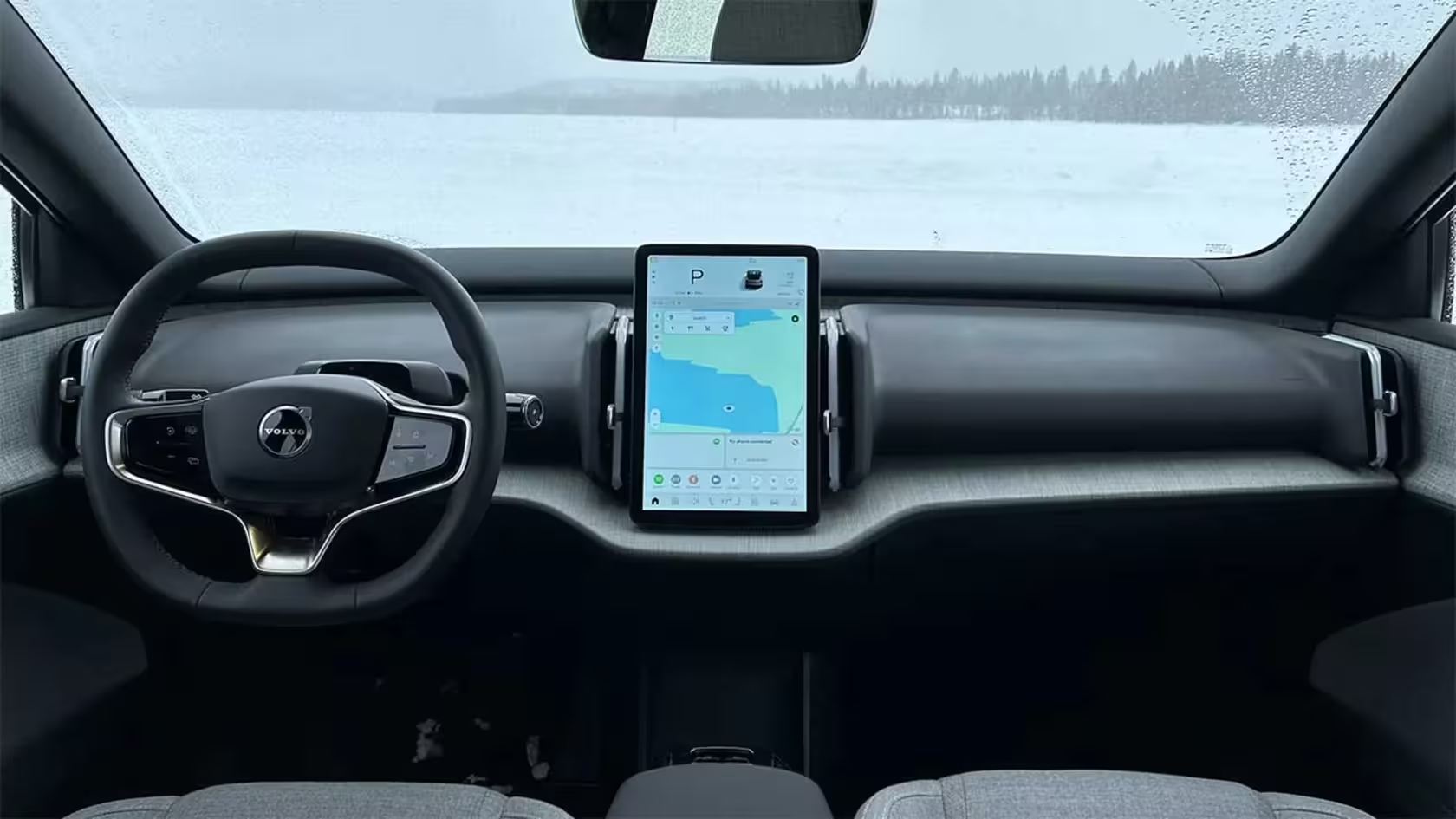
Volvo and Tesla—brands typically associated with strong crash-test numbers—did well in impact protection but lost points for interior design choices. Large touchscreens and complex, touch-only control schemes increased driver distraction in Consumer Reports' usability tests, lowering their overall rankings. That trade-off between styling/tech and basic usability is a recurring theme in safety evaluations today.
What to watch next
Mazda’s safety lead is substantial for now, but the brand faces decisions that could affect future rankings. The incoming CX-5 generation introduces a screen-forward interface with design echoes of Volvo and Tesla. If that new user interface sacrifices tactile controls for more touch-based operation, Mazda may need to refine it to maintain its top safety position.
For buyers, the takeaway is clear: safety is no longer only about crash numbers. Ergonomics, driver-assist standardization and predictable vehicle behavior matter just as much. Mazda’s win signals that a balanced approach—strong crash protection plus human-centered controls—remains the gold standard in automotive safety.
"Safety is holistic," Dr. Thomas adds. "It’s about preventing crashes and protecting people when they happen, without making the car harder to use."


Leave a Comment
Comments
No comments yet. Be the first.