
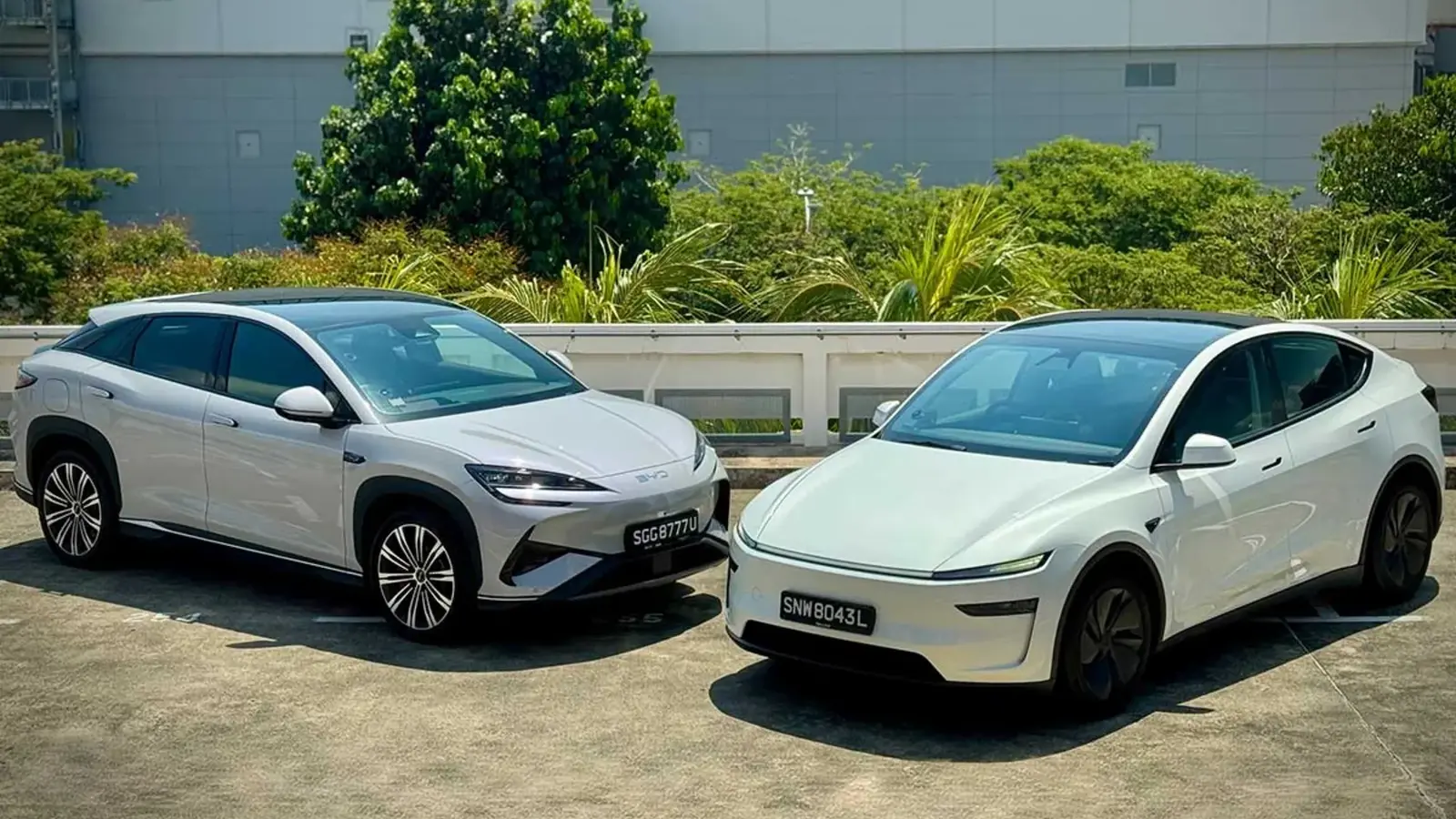
BYD’s 30% Slump and the Bigger EV Picture
BYD’s electric vehicle sales plunged roughly 30% year-on-year in January 2026, marking the fifth consecutive month of declines for the Chinese automaker. Production also fell about 29%, continuing a downward trend that began last July. For the global EV market, these figures raise a blunt question: are we hitting saturation? And if demand is cooling, was Tesla’s decision to pivot away from certain car lines toward AI-driven projects the smart play?
Why Tesla’s Shift Looks Less Risky Now
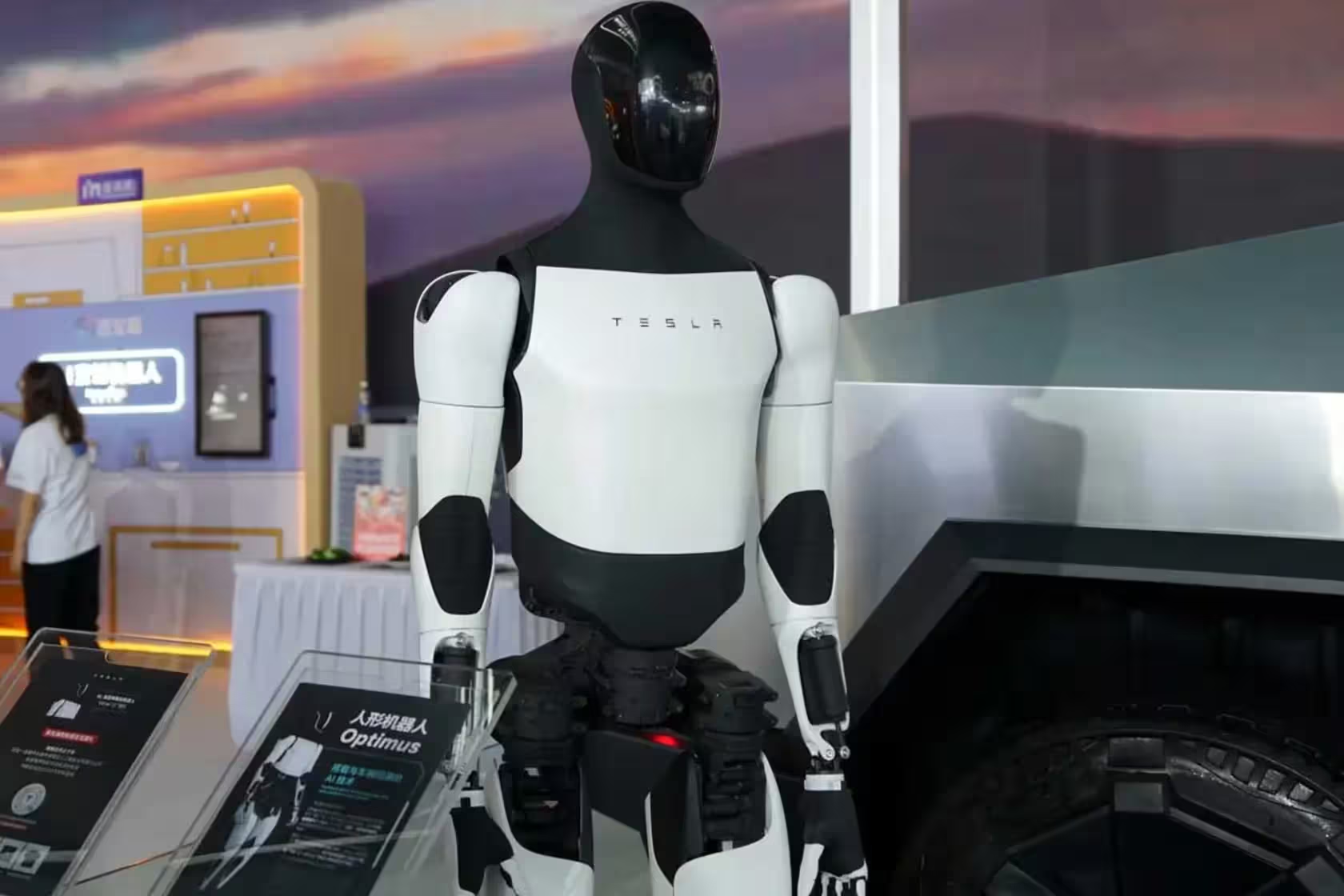
On the surface, Tesla ending production of the Model S and Model X at Fremont to free capacity for Optimus robots and other AI ventures could read as retreat. But the move also reflects strategic diversification. CEO Elon Musk has publicly suggested Tesla’s long-term legacy may be as much about robotics and AI as it is about electric cars. With global EV growth decelerating—partly due to reduced government incentives and intensifying domestic competition—Tesla’s push into robotaxis and humanoid robots positions it in adjacent, potentially high-growth markets.
Tesla’s near-term roadmap
- Robotaxi rollout linked to production of a CyberCab variant planned for April 2026.
- Optimus humanoid robot targeted for consumer availability by late 2027.
- Model S and Model X discontinuation to free Fremont capacity for robotics and AI manufacturing.
What’s Driving BYD’s Decline?
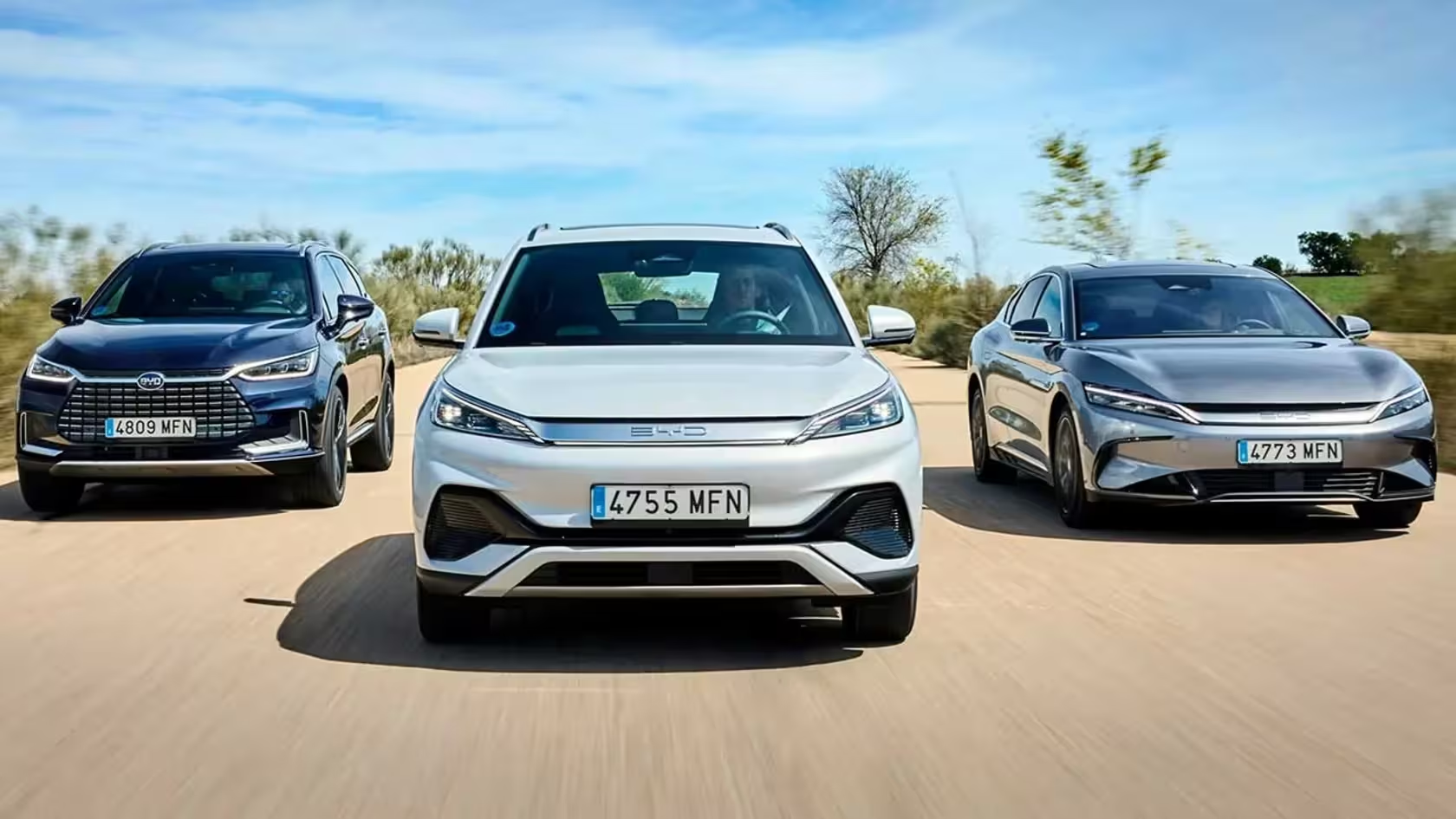
BYD hasn’t given a definitive explanation for the recent slump, but several factors are evident: subsidy rollbacks in key markets, tougher competition at home from rivals such as Geely, and a possible cooling of first-time EV buyers. Despite the slowdown, BYD isn’t standing still. The company continues its global expansion—planning a new EV plant in Hungary later this year—and retains a diversified lineup that includes strong plug-in hybrid (PHEV) options, which can act as a buffer if pure EV demand softens further.
Market Implications and Consumer Impact
If the EV market is indeed moving toward saturation in certain regions, automakers will adapt in different ways. BYD appears to double down on geographic expansion and product variety (including PHEVs), while Tesla is reallocating resources to AI and robotics—areas less tied to vehicle sales cycles.
For consumers, the short-term effects could include:
- More competitive pricing as firms chase limited demand.
- Greater focus on software, autonomy, and in-car AI features rather than pure range wars.
- Improved hybrid options from manufacturers hedging against BEV slowdowns.
Who Wins the Long Game?
There’s no single answer. BYD remains a global EV heavyweight with scale, manufacturing depth, and a practical, diversified product strategy. Tesla’s gamble is different: it’s betting that autonomy, robotaxis, and humanoid robots will define the company’s future value more than incremental vehicle sales. If those bets pay off, Tesla could transform into a robotics and AI platform company with transportation as one application among many.
“Tesla may be remembered as much for robots as for cars,” Elon Musk said at a public forum—an admission that clarifies the company’s risk appetite.
Key takeaways
- BYD’s 30% sales drop signals market cooling but not collapse.
- Tesla’s pivot to AI and robotics is a strategic hedge, not a surrender.
- Expect competitive pricing, more hybrids, and a stronger focus on software in new EVs.
Whether the long-running rivalry between Tesla and BYD will remain central to the auto industry depends on which side better anticipates the next demand cycle: product breadth and global manufacturing, or platform-scale AI and robotics. For now, the shift in priorities from both companies makes the EV market more complex—and more interesting—for car enthusiasts, investors, and everyday buyers alike.


Leave a Comment
Comments
No comments yet. Be the first.