
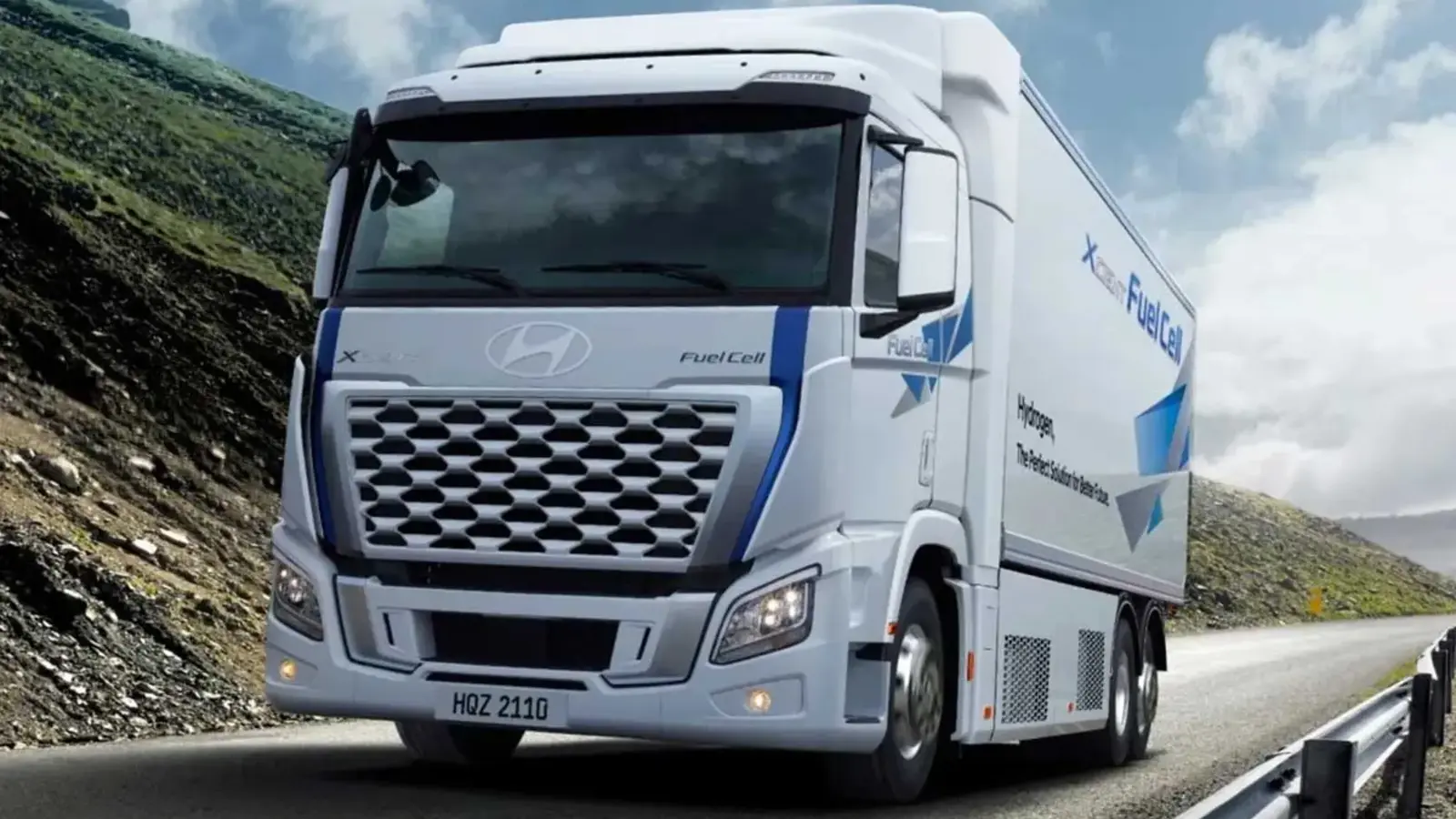
Hyundai's hydrogen fleet hits a green milestone
Hyundai's hydrogen-powered XCIENT trucks have just reached a landmark: the European fleet has driven a combined 20 million kilometers, proving that heavy-duty transport doesn't always need massive batteries to reduce emissions. While battery-electric powertrains dominate passenger cars, hydrogen fuel cell technology is emerging as a practical alternative for long-haul logistics and heavy-duty trucks.
Why hydrogen matters for heavy transport
Hydrogen fuel cell trucks solve pain points that battery-electric heavy vehicles still struggle with: fast refueling, payload capacity and consistent range under load. Unlike full-electric trucks that can spend hours charging, fuel-cell models top up in minutes and deliver zero tailpipe emissions—advantages that matter most for fleets moving food, clothing and other time-sensitive cargo.
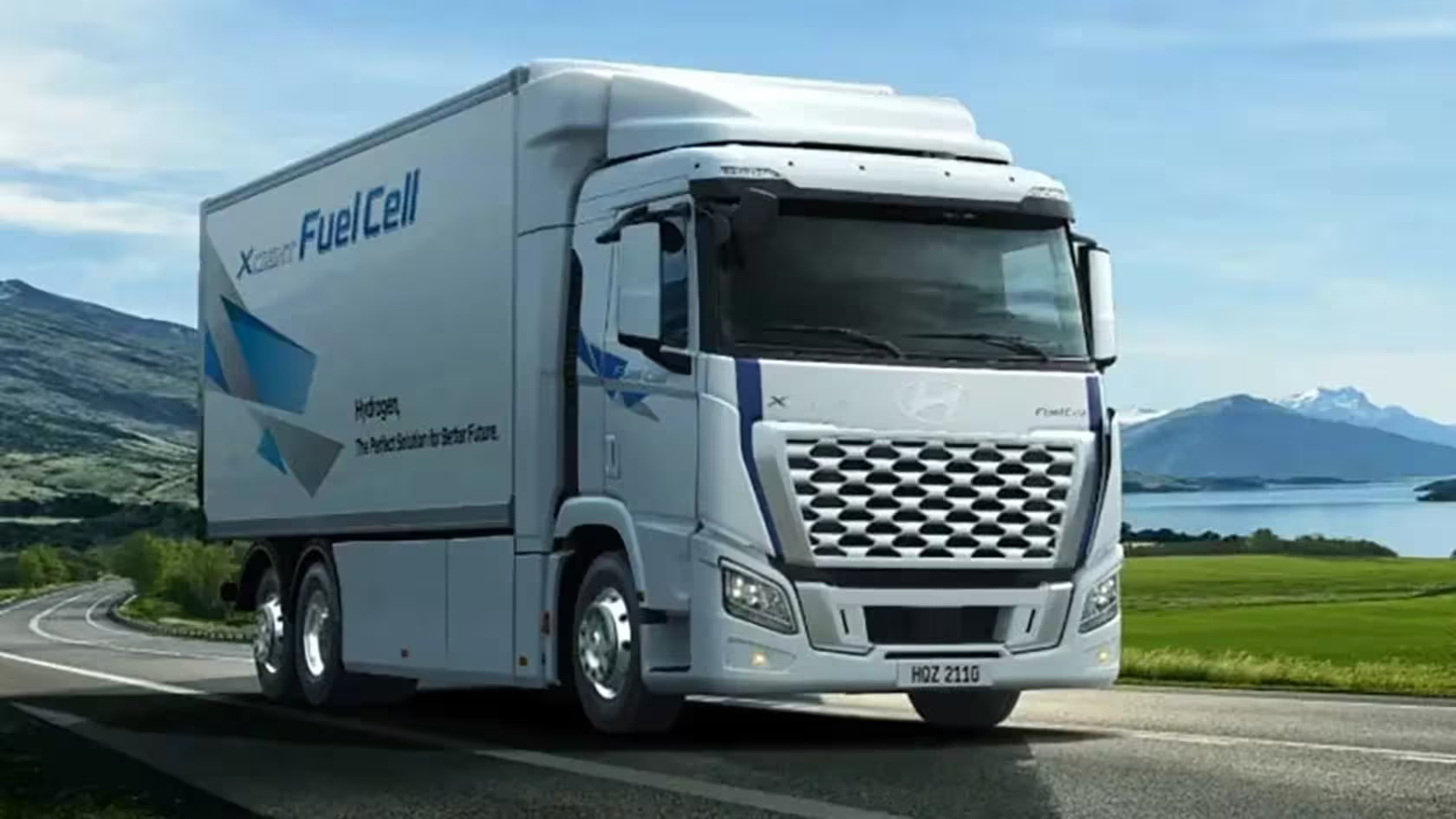
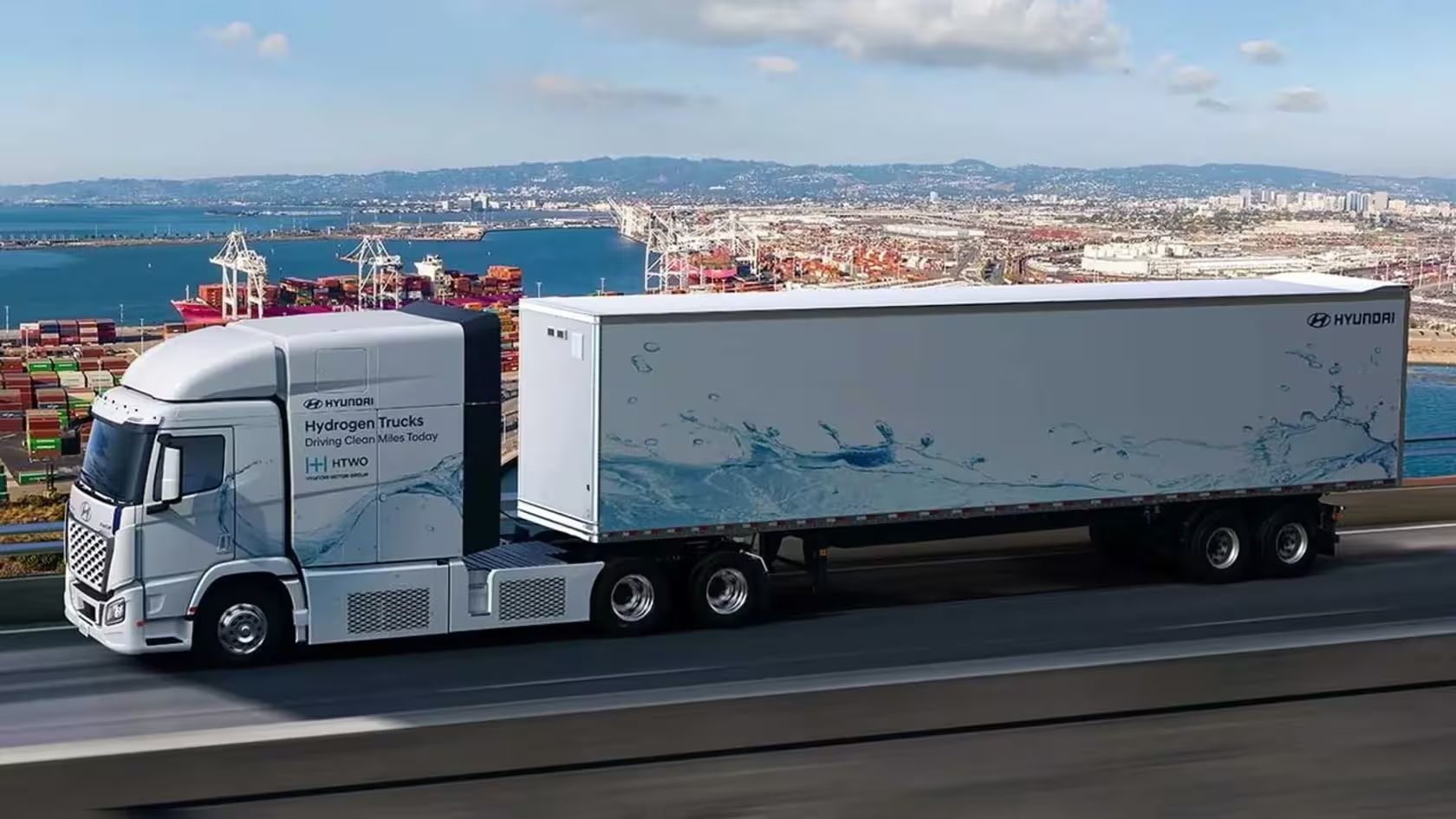
Currently, 165 Hyundai XCIENT Fuel Cell trucks operate across Europe — in Germany, France, the Netherlands, Austria and other markets — and more than half of the 20 million km were logged in Switzerland, where the trucks are heavily used in logistics routes. In North America, 63 XCIENT units run in California and Georgia, adding around 1.6 million kilometers to Hyundai's global tally.
Real-world environmental impact
According to Hyundai's calculations, the European XCIENT fleet avoided about 13,000 tonnes of CO2 over six years — a carbon offset Hyundai compares to the annual sequestration of roughly 1.5 million pine trees. That kind of statistic resonates with fleet managers and policymakers seeking tangible reductions in emissions from heavy transport.
Highlights:
- 20 million km driven by European XCIENT fleet
- 165 trucks active across several European countries
- 13,000 tonnes CO2 avoided — equal to 1.5 million trees' annual carbon uptake
Upgraded XCIENT revealed at ACT Expo 2025
At ACT Expo 2025 in California, Hyundai unveiled an upgraded XCIENT Fuel Cell with substantial technical and comfort improvements. Key specifications include:
- Two 90 kW fuel cell stacks paired with a 72 kWh battery pack
- Ten hydrogen tanks holding 68 kg of H2 for an official range around 724 km
- A 470-hp electric motor delivering 2,240 Nm of torque and the ability to haul up to 37,000 kg
The refreshed cabin also gets modern touches: a full 12.3-inch digital instrument cluster and a new touchscreen infotainment system, along with advanced driver-assistance systems such as forward collision prevention, lane departure warnings and intelligent cruise control.
Market positioning and outlook
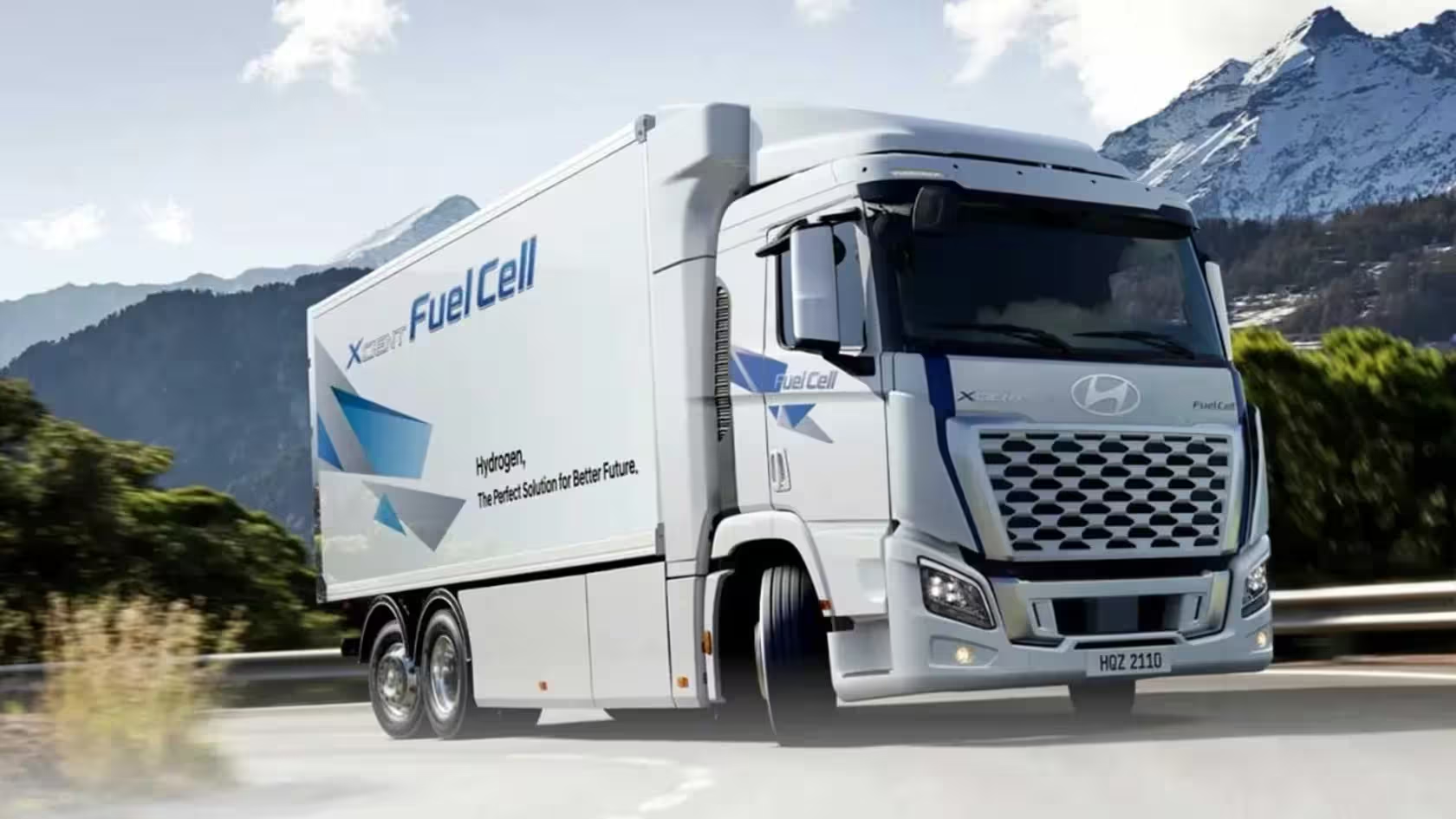
Hydrogen fuel cell trucks like the XCIENT occupy a pragmatic niche in the transition to zero-emission logistics. For operators running long daily distances and tight turnaround times, hydrogen's quick refuel time and weight efficiency can offer a lower total-cost-of-operation compared with battery-electric options, especially where charging infrastructure is limited.
Quote-worthy takeaway:
- 'Hydrogen hasn't lost the race — it's simply running a different, long-haul track,' says an industry analyst about heavy-duty applications.
As infrastructure expands and fuel-cell systems mature, expect hydrogen trucks to play a growing role in regional and national decarbonization plans. Hyundai's XCIENT program shows how real-world fleet deployment, not just lab claims, is what will convince logistics operators to adopt zero-emission heavy vehicles.
.avif "Breakthrough: The 3MW Hydrogen Superyacht Steering a New Era of Zero-Emission Propulsion")

Leave a Comment
Comments
No comments yet. Be the first.