
When Bugatti Almost Built a 1,000-hp Four-Door
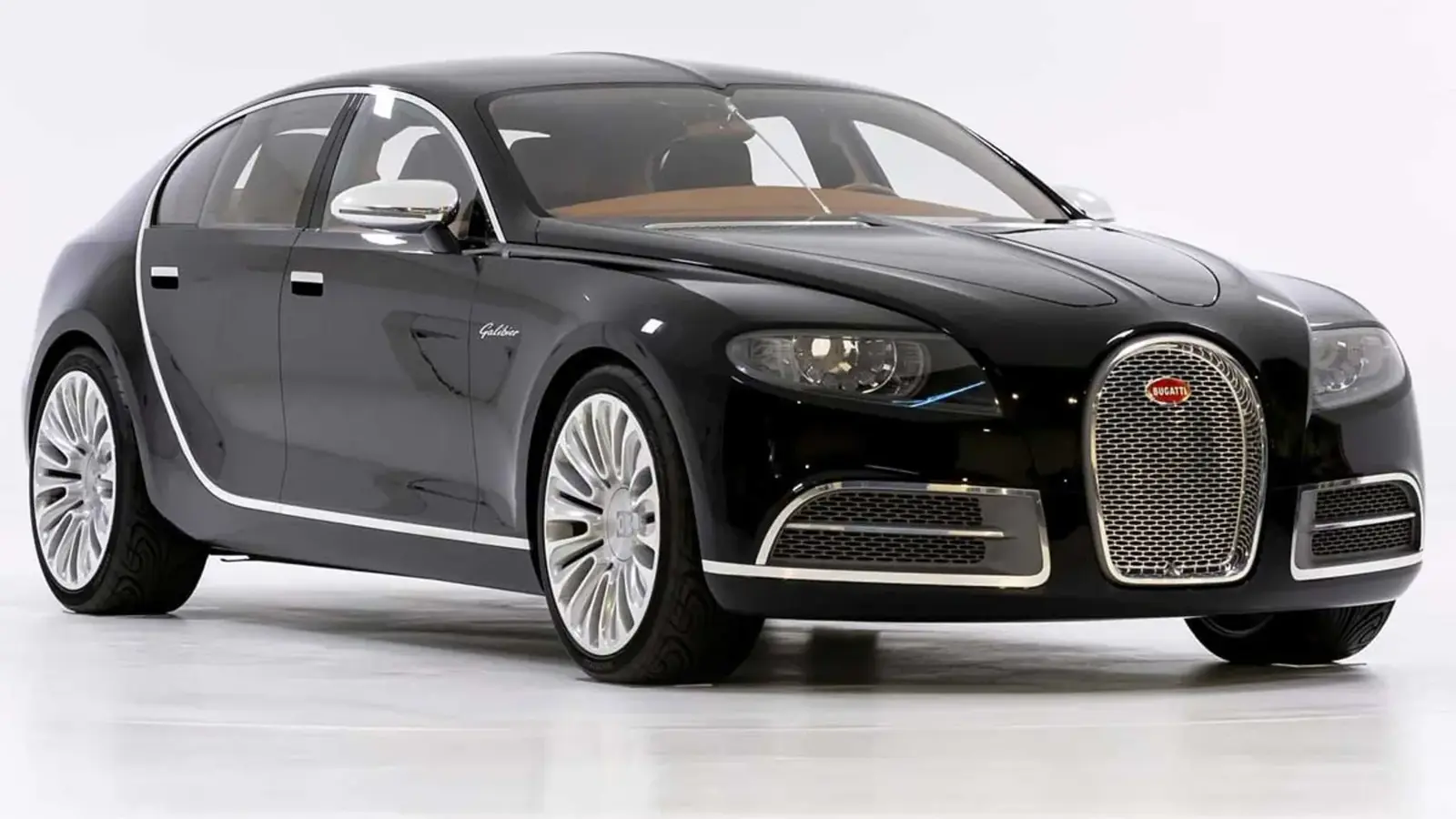
More than a decade ago Bugatti came within a heartbeat of producing a four-door super-sedan with nearly 1,000 horsepower. The Galibier was a bold concept: part ultra-luxury grand tourer, part record-chasing machine. Today it remains one of the most intriguing 'what ifs' in modern automotive history — a car that promised to rewrite expectations for luxury sedans but was quietly shelved in favor of the Chiron hypercar.
Origins and mechanical heart
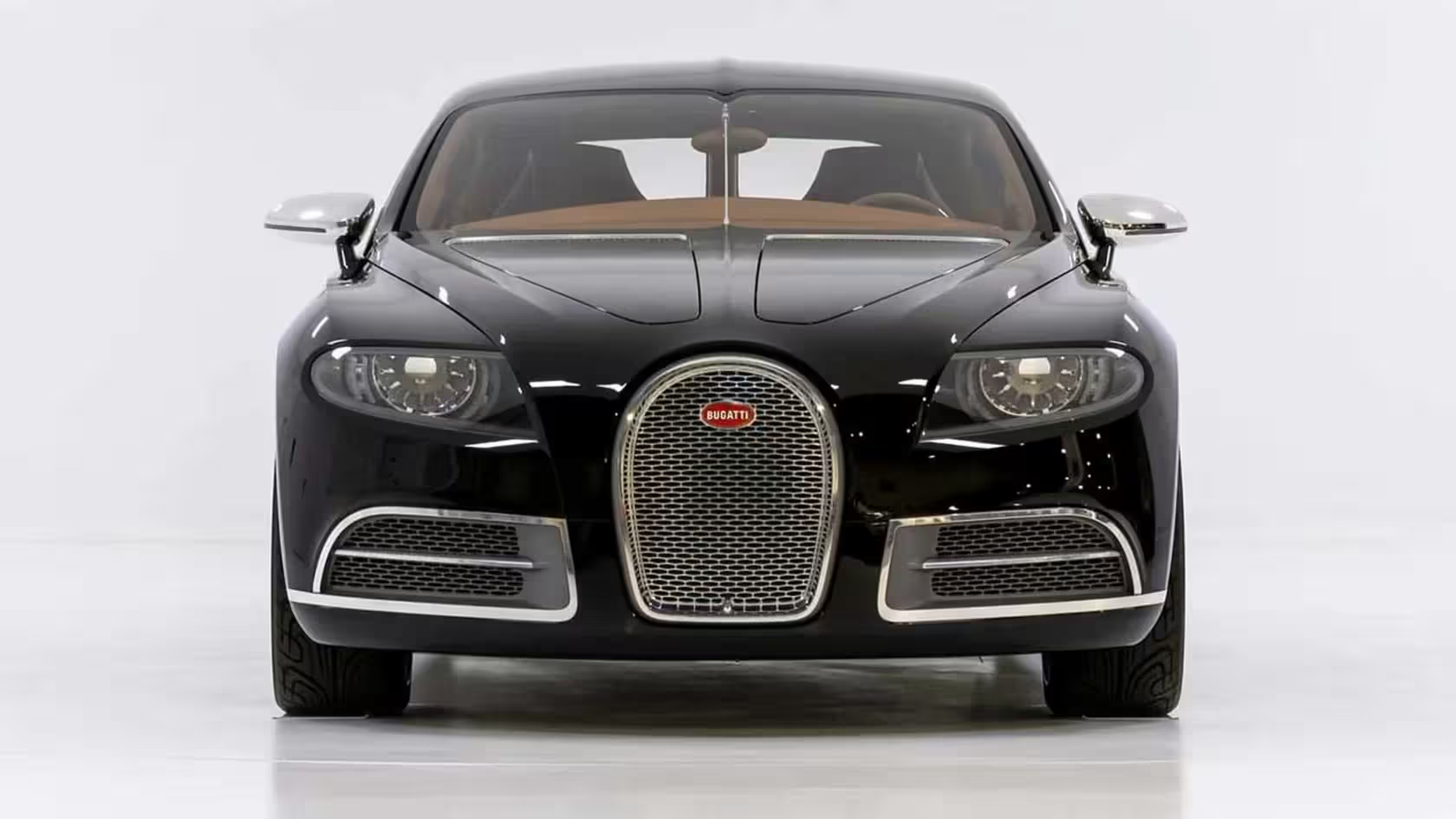
Unveiled in 2009, the Galibier concept was built on a modified Bentley Arnage platform but was otherwise unmistakably Bugatti. At its core sat the legendary 8.0-liter W16 engine familiar from the Veyron family — but with a major twist. Instead of the Veyron’s four turbochargers, Bugatti fitted the Galibier with two massive superchargers. The reasoning was simple: the Galibier was conceived as a long-distance grand tourer, and superchargers deliver immediate low-end torque that suits effortless luxury cruising as well as brisk acceleration.
The result was roughly 1,000 hp, a front-mounted W16 (unlike the mid-mounted Veyron layout) hidden beneath a distinctive two-piece hood. Bugatti claimed 0–100 km/h in under 2.7 seconds and a theoretical top speed north of 380 km/h — astonishing numbers for a four-door at the time.
Design: heritage and modernity
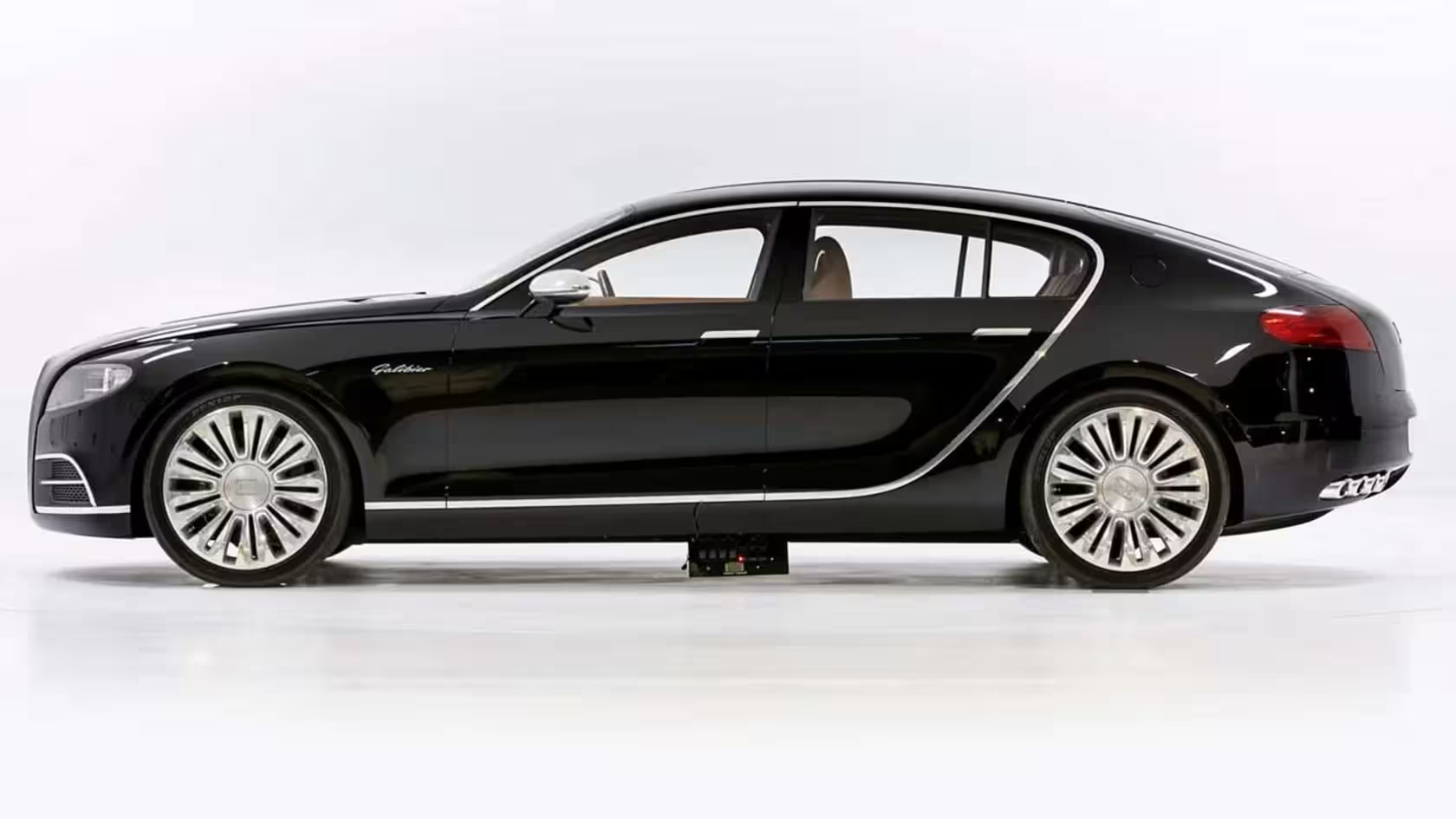
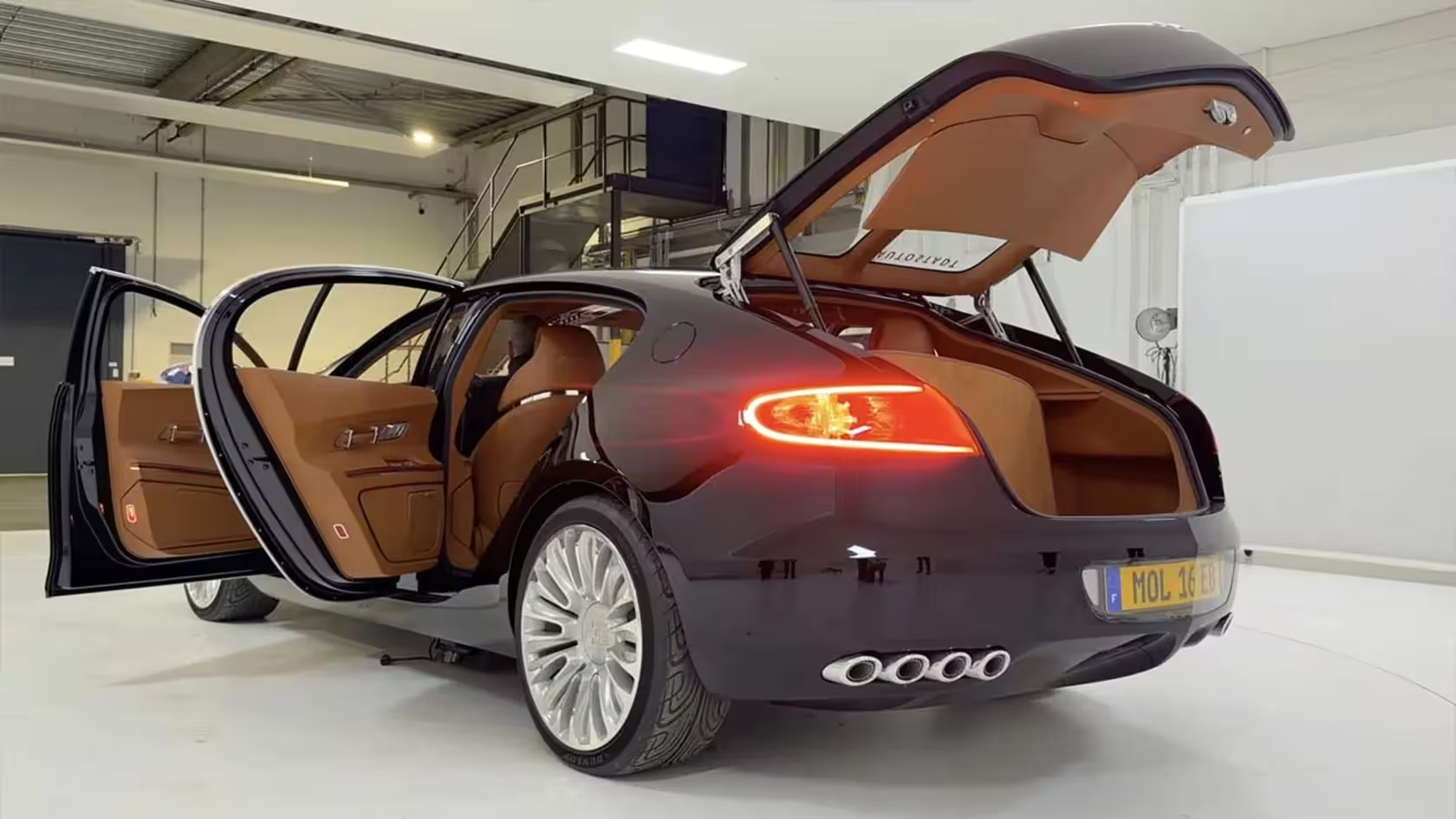
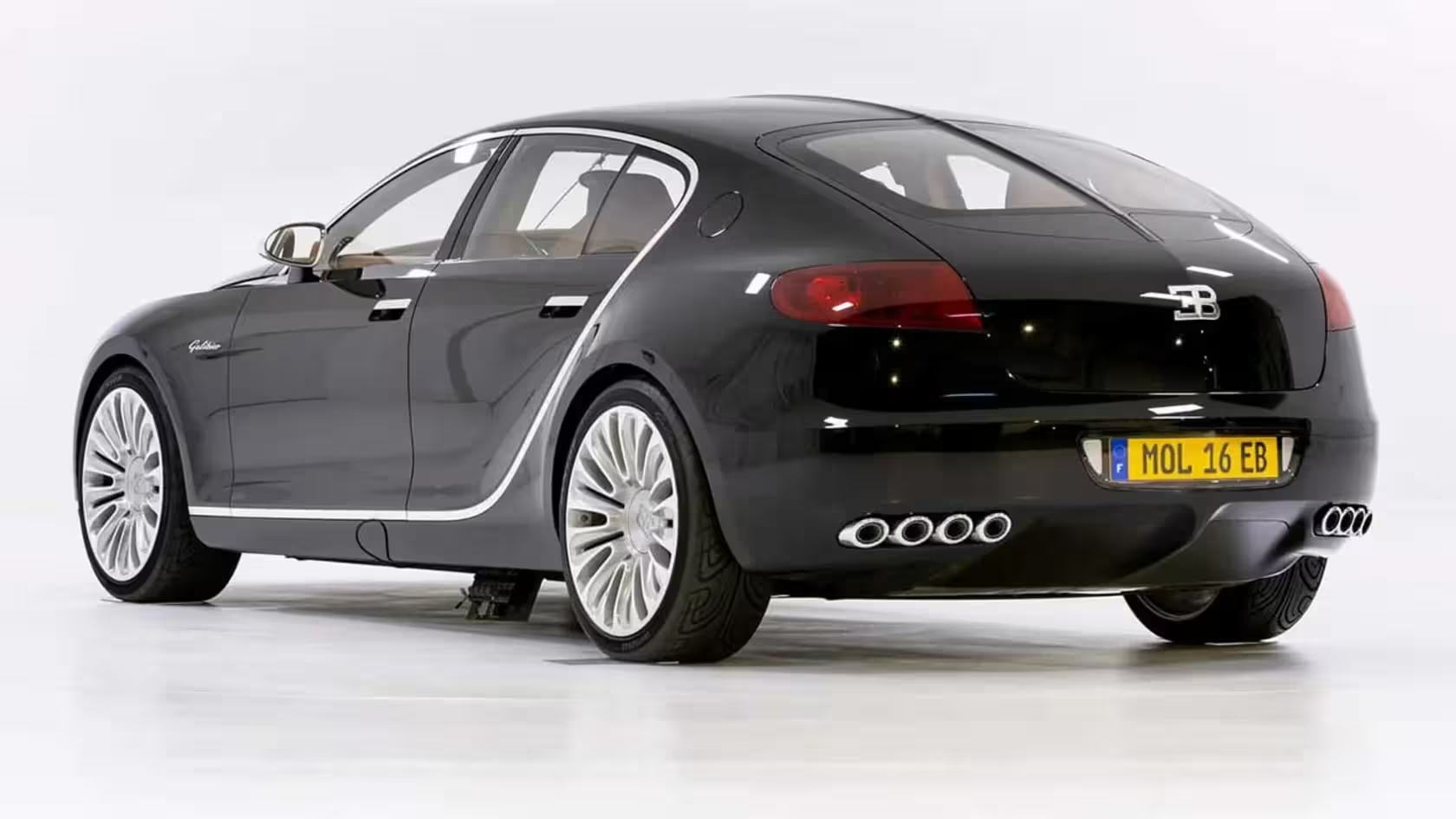
Visually the Galibier merged Bugatti’s classical cues with contemporary luxury sedan proportions. The twin-piece bonnet echoed legendary models like the Type 57SC Atlantic, while a dramatic rear with eight exhaust outlets promised both theatre and performance.
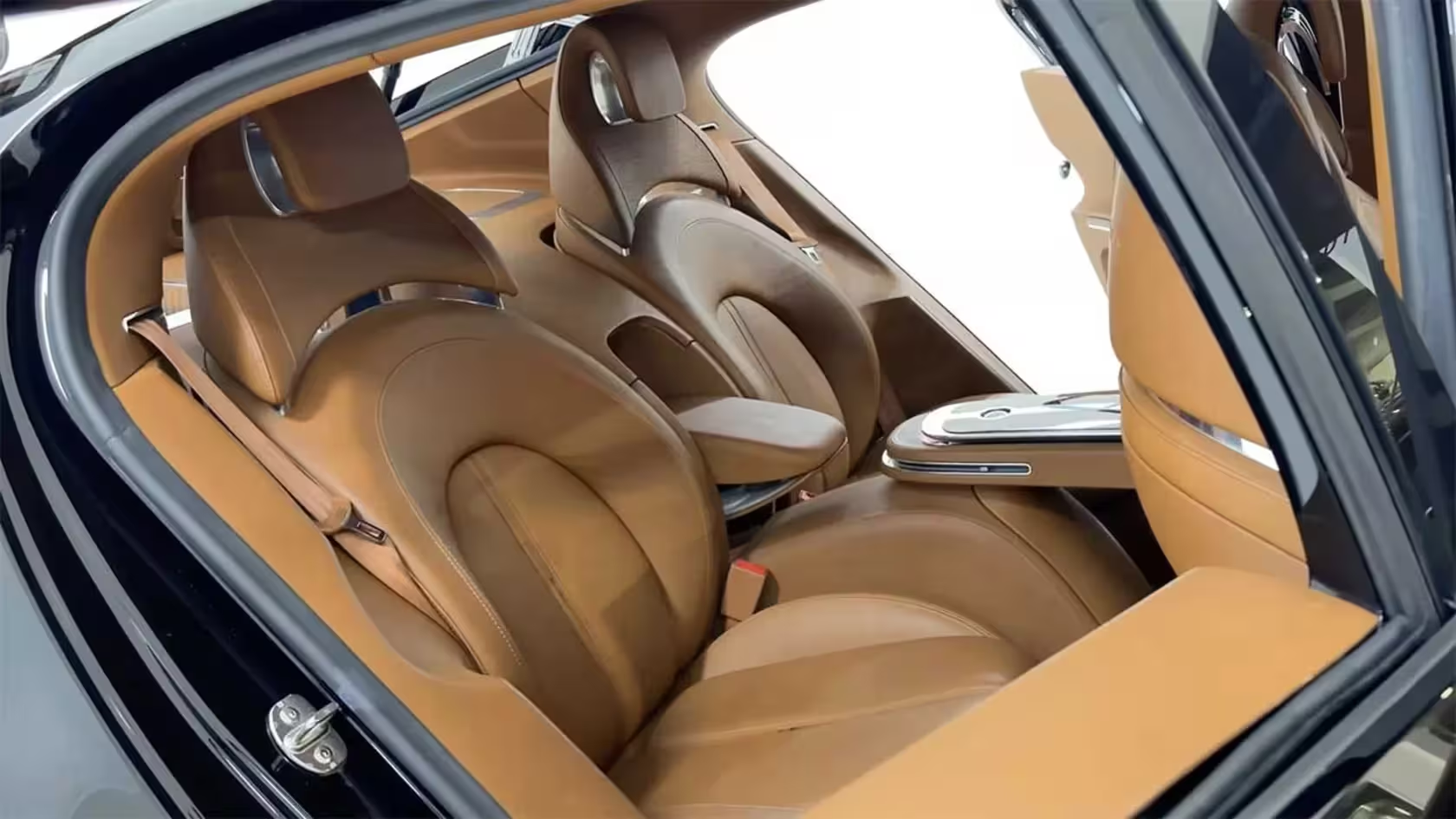
Inside, Bugatti abandoned the Veyron’s intentionally restrained instrumentation in favor of a forward-looking cabin. A fully digital instrument cluster and a large central touchscreen were complemented by the finest VW Group leathers and polished wood. The Galibier was configured as a true four-seater with two distinct rear seats separated by a full center console — and even a retractable, removable $100,000 clock that popped out of the dashboard and could be worn on the wrist.
Highlights
- Engine: 8.0L W16 with twin superchargers
- Power: ~1,000 hp
- 0–100 km/h: <2.7 seconds
- Claimed top speed: >380 km/h
- Layout: front-mounted engine, four-door luxury sedan
Why the project was cancelled
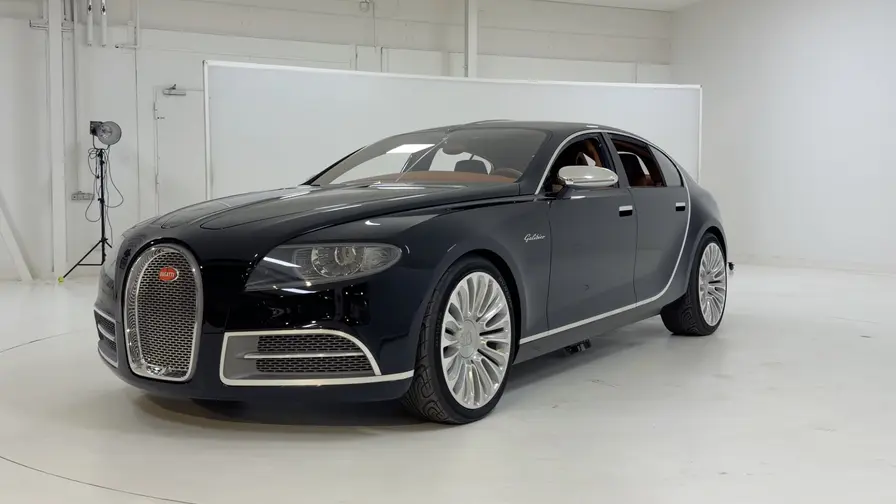
The Galibier was slated for production under the name Bugatti Royale around 2014–2015 with ambitious planned volumes — reports suggested as many as 3,000 units and a base price near $1.5 million. Yet, the program stalled and was officially archived in May 2012. Several factors contributed:
- Leadership and design disagreements: As development progressed the Galibier’s shape evolved — it grew longer and a small trunk replaced the initial liftback concept. Volkswagen Group supervisory board chairman Ferdinand Piëch reportedly disliked the new direction, a sufficient political reason to stop the program.
- Brand positioning: Senior Bugatti executives concluded a four-door luxury sedan could confuse the brand’s identity, which was being redefined around peerless hypercars like the Veyron.
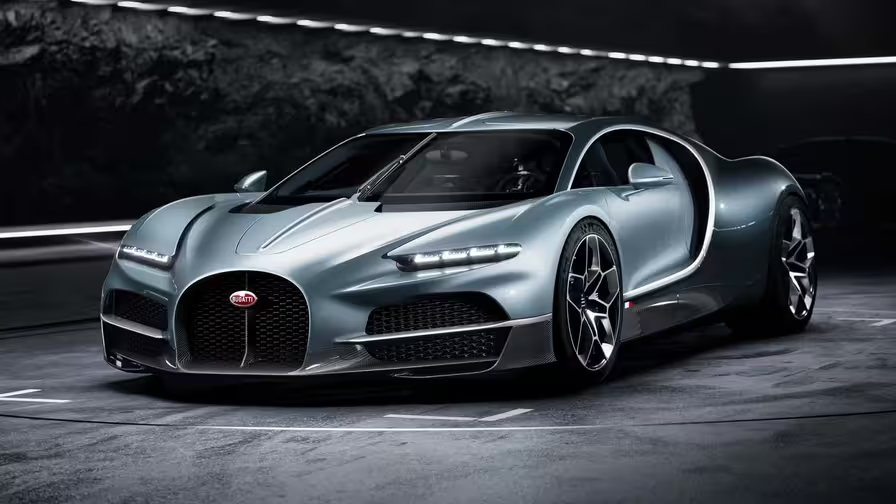
- Resource prioritization: Investment and engineering focus shifted toward developing the Veyron’s successor, which became the Chiron — the clear strategic priority for Bugatti.
Legacy and what was lost
Today the Galibier prototype resides in AutoStadt’s Volkswagen museum in Wolfsburg, a reminder of a rare moment when Bugatti considered expanding beyond two-door hypercars. For car enthusiasts and collectors, the Galibier stands as an elegant fusion of hypercar engineering and limousine-level luxury that never reached production.
"It was meant to be the fastest, most luxurious four-door in the world," one former project insider told journalists, "but sometimes a brand's soul is more important than any product line."
Context: Galibier vs. competitors
At the time the Galibier debuted, the quickest four-doors on the market — such as the BMW M5 with a V10 — were nowhere near its performance figures. The Galibier would have combined supercar acceleration with sumptuous rear-seat comfort, a rare combination. Yet Bugatti’s conservatism on the brand image ultimately won out.
Final note
The Galibier remains an evocative chapter in Bugatti’s story: an ambitious, technically daring idea that collided with corporate politics and brand strategy. For readers who follow automotive design and market positioning, the Galibier is an instructive example of how even groundbreaking engineering can be sidelined when timing, leadership and identity don’t align.
Key takeaway: The Bugatti Galibier would have redefined the luxury performance sedan, but internal disagreement and a strategic decision to prioritize the Chiron sealed its fate — leaving an extraordinary concept to live on only in museums and automotive lore.

Leave a Comment
Comments (2)
Is that top speed realistic for a four door? Feels like a concept stretch, but damn the engineering… curious about weight tho
wow, this woulda been insane. 1,000hp four door? Bugatti almost broke rules of luxury. Shame politics killed it…