
4 Minutes
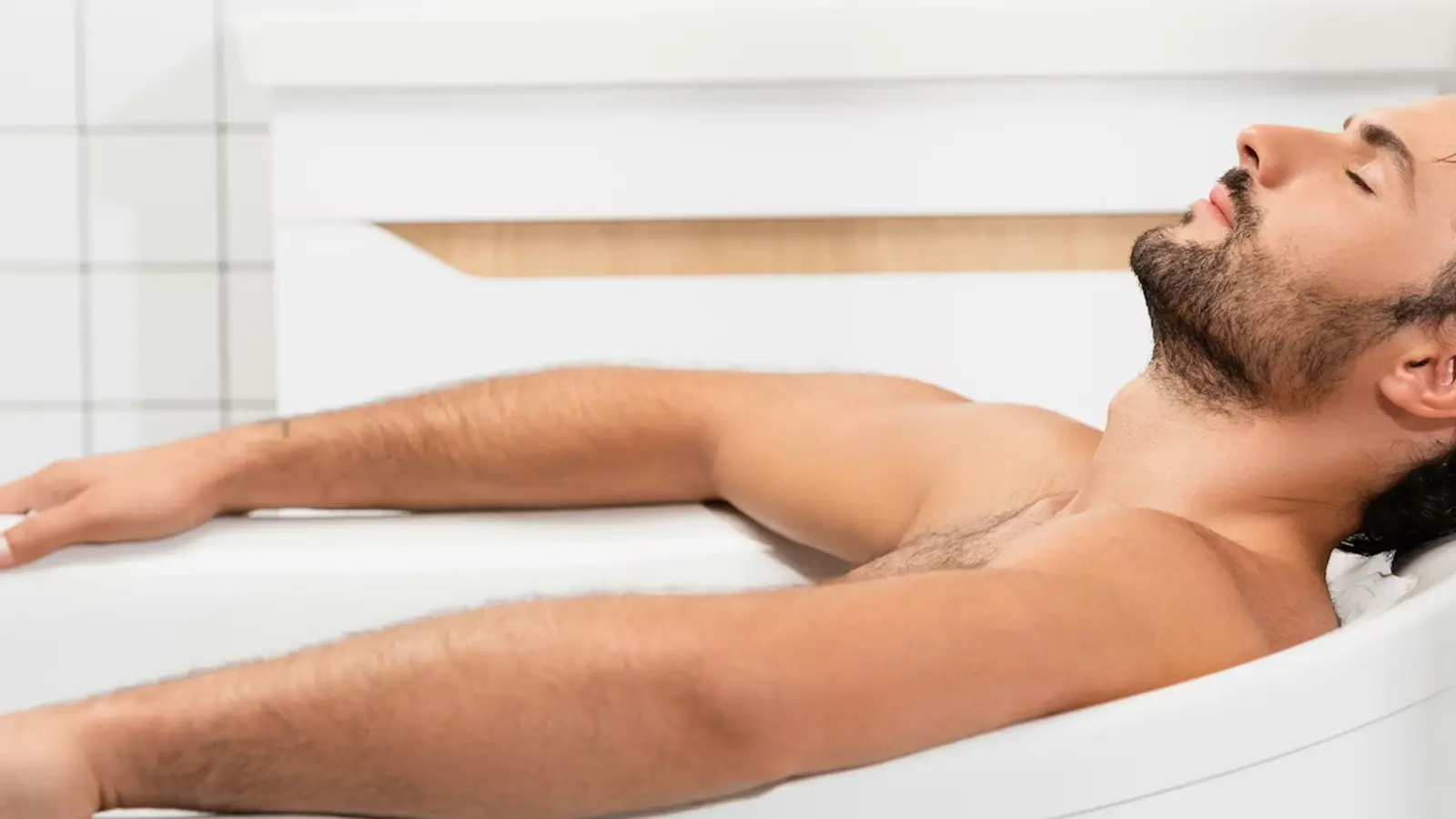
Imagine improving your oxygen-carrying capacity without boarding a plane or adding another mile to your schedule. It sounds unlikely. Yet a simple routine—five 45-minute hot baths per week—appears to nudge the physiology of well-trained runners in much the same direction as altitude camps.
Study design and methods
Researchers recruited experienced endurance runners and asked them to maintain their usual training. The only change: a deliberate, repeated exposure to heat. Participants soaked in ordinary home bathtubs filled to about 40°C for 45 minutes, five times a week, for five weeks. Water temperature was monitored with an inexpensive thermometer and topped up with warm water as needed. Sessions were timed shortly after workouts to pair passive heat stress with the normal post-training window.
What was measured
Before and after the intervention the team measured a suite of physiological markers. These included red blood cell volume (a direct indicator of the blood's oxygen-carrying capacity), plasma volume, left ventricular chamber size on echocardiography, and maximal oxygen uptake (VO₂max) assessed with graded treadmill tests. VO₂max remains the gold-standard laboratory measure of aerobic fitness, reflecting how efficiently the body transports and uses oxygen during intense exercise.
What the researchers found and why it matters
The results were both elegant and practical. After five weeks of regular hot baths, runners showed a measurable increase in total red blood cell volume. Plasma volume had expanded early on—an expected response to heat—and the body compensated for the relative dilution of red cells by producing more of them. Over repeated sessions this produced a net gain in total blood volume and in the number of oxygen-carrying cells.
Changes extended beyond the blood. The left ventricular chamber of the heart—the main pumping cavity—increased in volume. That allowed more blood to be ejected with each beat, complementing the enhanced oxygen-carrying capacity. Together these adaptations translated to an average VO₂max improvement of roughly 4 percent and higher maximal treadmill speeds among the study participants. For athletes operating near their physiological ceiling, a 3–5 percent gain can be decisive in competition.

Why would heat do what low oxygen does? The mechanisms differ. Altitude triggers erythropoiesis (red blood cell production) primarily through hypoxia signaling because less oxygen is available in the air. Heat, by contrast, expands plasma almost immediately. That dilution creates a transient reduction in oxygen concentration per unit blood volume. The body detects that change and ramps up red blood cell production to restore balance. Repeated heat exposures therefore produce both plasma and red cell expansion—distinct routes, convergent outcome.
The practical implications are worth noting. Passive heat exposure sidesteps the musculoskeletal load that comes with more miles or higher-intensity sessions. For athletes constrained by injury risk, time, or travel budgets, hot baths represent a low-tech, widely accessible intervention. Where altitude camps demand time away and expense, a bathtub requires only water, a thermometer, and discipline.
There are caveats. The protocol tested—40°C for 45 minutes, five times weekly over five weeks—was specific. We don’t yet know whether shorter durations, lower temperatures, or other heat modalities such as saunas or steam rooms yield comparable benefits. Safety is another consideration: prolonged heat exposure raises the risk of dehydration, fainting, and heat-related illness. Proper hydration, cautious self-monitoring, and medical clearance for people with cardiovascular or metabolic conditions are essential.
Expert Insight
"This study reframes how we think about environmental stressors in endurance training," said Dr. Emily Carter, an exercise physiologist who studies thermal adaptation. "Heat exposure produces a unique cascade: rapid plasma expansion followed by erythropoietic compensation. For athletes, that can mean a boost in effective blood volume without adding wear and tear from extra running."
She added a practical note: "If you try this, keep the baths moderate, stay hydrated, and avoid doing them alone if you have any health concerns. The gains are real, but safety must come first."
Beyond athletics, the findings touch on broader questions of equitable access to performance tools. Altitude training remains effective but costly and logistically demanding. Passive heat exposure, by contrast, scales more readily—domestic bathtubs are ubiquitous, and the environmental footprint is smaller than flying a squad to a high-altitude location.
Future work will need to answer additional questions: Do these physiological changes translate to faster marathon times or merely better lab-based metrics? How long do the benefits persist after stopping the baths? Can heat exposure be combined safely with other legal aids—like training periodization or nutritional strategies—to produce additive effects? And can similar protocols benefit recreational runners or only those already near peak conditioning?
For now, the takeaway is clear: adaptation can be stimulated in modest, surprising ways. Try it thoughtfully and with expert guidance, and you might find an edge that doesn't require boarding a plane or increasing your training load.









Leave a Comment
Comments (2)
Is this even true or small-sample hype? 5 baths/week for 5 wks sounds doable, but how many subjects, controls, blinding? feels premature.
Wow, hot baths actually upping RBCs? Wild. 5% VO2 max could decide races, but gotta watch heat, hydration and safety… curious about longterm effects tho