
4 Minutes
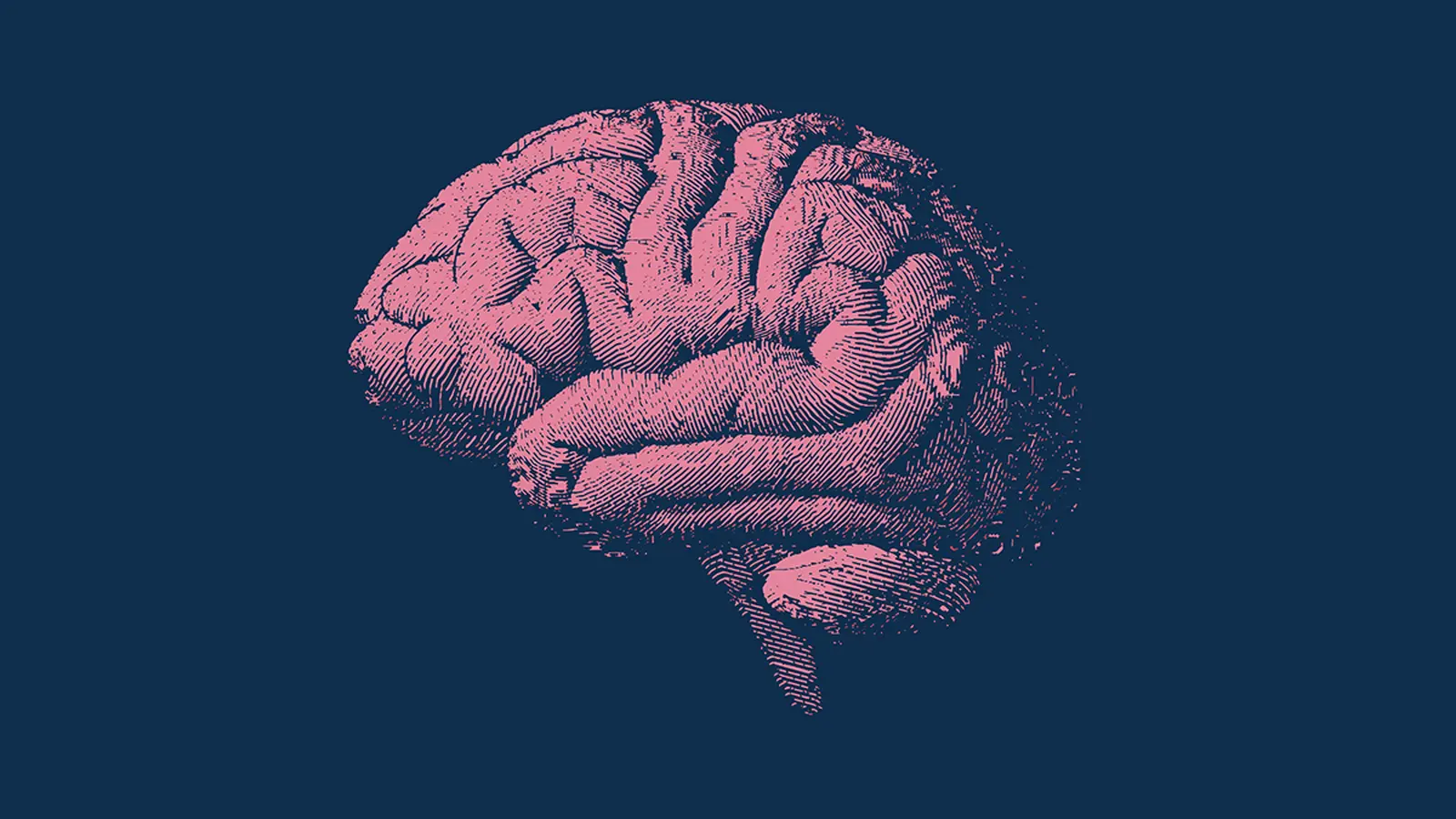
Imagine measuring someone’s brain and finding it looked two and a half years younger than expected. Not because of exercise or a miracle drug, but because of the food on their plate. That’s the headline emerging from a long-term study tying the MIND diet to slower structural brain aging.
Researchers tracked 1,647 middle-aged and older adults for about 12 years, pairing regular MRI scans with questionnaires about what people ate. The shorthand they used the MIND diet blends the Mediterranean and DASH diets with extra tweaks aimed specifically at protecting cognitive function. Participants whose eating patterns most closely matched the MIND recommendations showed less loss of gray matter and smaller increases in ventricular volume over the study period.
How the study measured brain aging
Gray matter. Ventricular volume. These are not casual terms; they are concrete MRI markers neurologists use to track aging and disease. Gray matter contains neuronal cell bodies, dendrites and synapses — the biological substrate of memory, learning and decision-making. When gray matter shrinks, cognitive skills often follow. Ventricle enlargement occurs when the brain itself loses volume and cerebrospinal fluid spaces expand to fill the gap; it is a clear sign of atrophy.
The international team, led by scientists from Zhejiang University School of Medicine, did not ask volunteers to change their diets. Instead, each person received a MIND-score based on their self-reported food intake. Over the dozen-year average follow-up, higher MIND adherence correlated with patterns consistent with roughly 2.5 years of slower brain aging compared with lower adherence.
What foods matter and why
The MIND diet emphasizes berries, leafy greens, nuts, whole grains, fish, poultry and olive oil while recommending limited red meat, butter, cheese, sweets and fried food. The theoretical mechanism is plausible. Foods rich in antioxidants and anti-inflammatory compounds may reduce oxidative stress and help preserve neuronal structure. High-quality proteins and omega-3 fatty acids support synaptic health. Conversely, fried fast foods, trans fats and advanced glycation end-products can promote vascular inflammation and accelerate tissue damage.

But the study also delivered surprises. Wholegrain intake was unexpectedly linked to faster gray matter decline in this cohort, while higher cheese consumption appeared associated with slower decline — oddities that underline the complexity of diet-brain relationships and the possibility of population-specific effects or confounding lifestyle factors.
Limits of the evidence
Correlation is not causation. The investigators adjusted for many variables, including age and education, yet important factors such as sleep quality, detailed genetic risk, or unmeasured socioeconomic influences were not fully accounted for. Self-reported dietary data bring recall bias. Still, the use of serial MRI provides objective anatomical endpoints, strengthening the case that what we eat maps onto how our brains age.
Why does this matter? Because even modest shifts in population-level brain aging could change the trajectory of neurodegenerative disease burden. Slowing structural decline by a couple of years across a large group could delay when people begin to experience functional impairment and, cumulatively, ease pressure on healthcare systems.
Expert Insight
Dr. Marcus Ellison, a cognitive neurologist at the University of Cambridge, notes: 'These findings add anatomical weight to earlier epidemiological work. The MIND diet is a practical, food-first framework that targets oxidative stress and vascular health — two critical pathways in neurodegeneration. Still, randomized dietary trials with biologic markers will be needed to move from promising correlation to verified cause.' He adds that individual responses vary; genetics, microbiome composition and life-course exposures all shape outcomes.
The study’s broader message is simple and actionable. Favoring berries over sweets, fish and poultry over processed meats, and olive oil over industrial fats aligns with multiple health goals: cardiovascular protection, metabolic control and now, evidence suggests, structural brain resilience. Can diet alone prevent Alzheimer’s? No single strategy will, but diet is a scalable, low-risk lever that complements physical activity, sleep hygiene and vascular risk control.

Future research should widen demographic representation, probe why some food associations diverge from expectations, and test whether targeted dietary interventions can change the MRI trajectory. Meanwhile, the MIND approach remains an accessible template for anyone wanting to prioritize long-term brain health — a modest behavioral investment with the potential to yield years of sharper thinking.











Leave a Comment
Comments (2)
Is this even true? Self-reporting diets + unmeasured confounders makes me wary. Wholegrains worse? cheese helpful? sounds like population quirks. Need RCTs.
Wow, food actually lining up with 2.5 yrs younger brain on MRI? Berries, greens, olive oil, ok I’ll try. If that’s real… fingers crossed lol