
3 Minutes
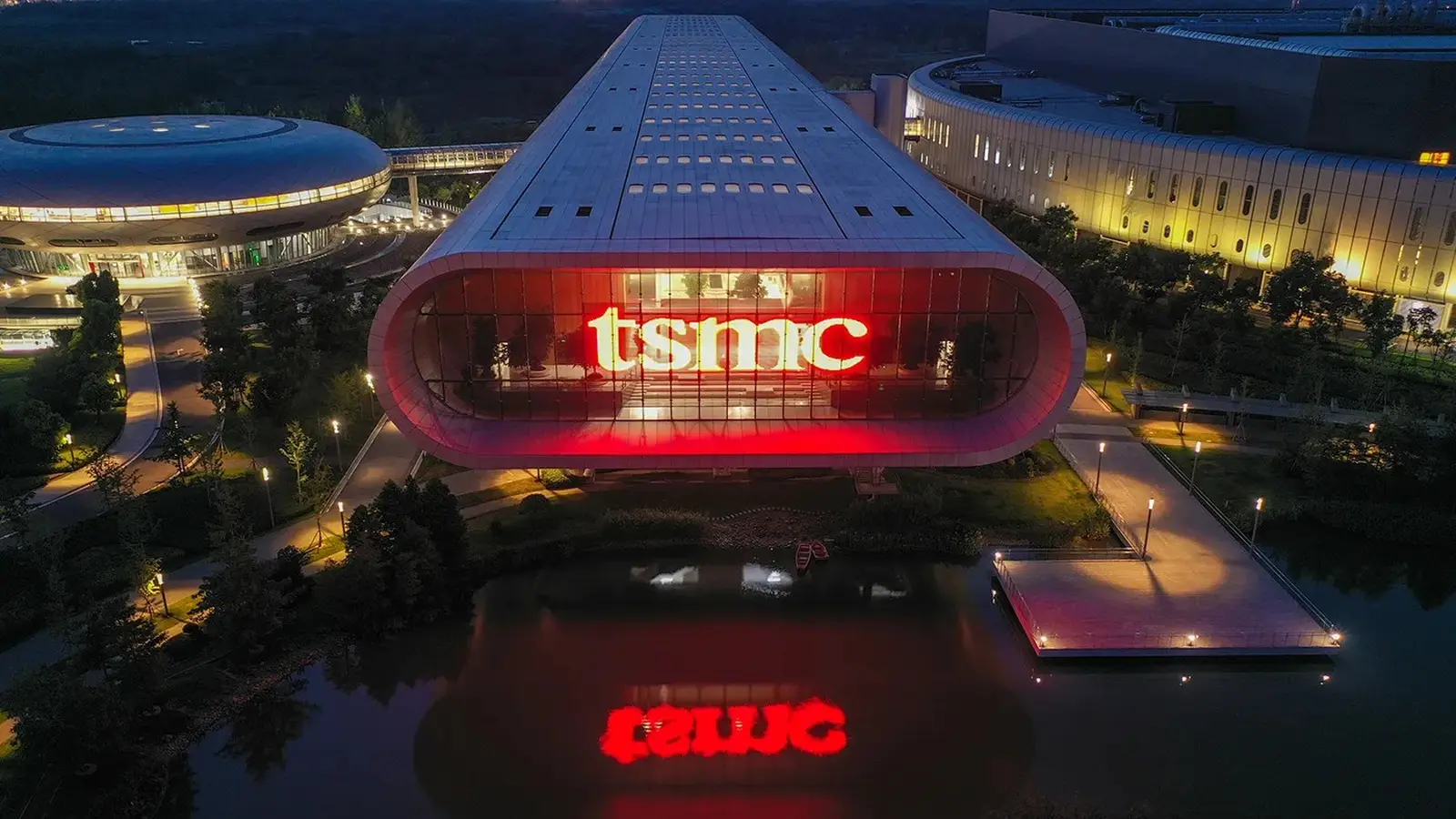
The jab landed in a shareholder Q&A and it stung because it was simple: keep predicting a catch‑up and one day the calendar will run out. C.C. Wei, CEO of TSMC, used the moment to underline what many in the industry already feel — closing the gap with the world's largest pure‑play foundry is easier said than promised.
Wei didn't name names. He didn't have to. The narrative was familiar: a rival declares a decade-long plan, then repeats it, again and again. Two decades of promises. Ten-year countdowns. The result is a pattern that reads less like strategy and more like hopeful marketing.
Numbers help explain why the rhetoric rings hollow. Recent estimates place TSMC at roughly 70% of the pure‑play foundry market while its nearest true foundry competitor sits near single digits. That disparity isn't only about transistor geometry or who reaches 2nm first. It's about scale, stability and the scaffolding of capabilities around a leading node.

Take AI hardware. Customers building chip accelerators now judge partners on more than raw transistor density. They want packaging masters and reliable yields. They want CoWoS and advanced interposers that let multi‑chip modules behave like a single, massive silicon brain. TSMC has spent years knitting those services and relationships together. For companies like NVIDIA racing to field ever‑bigger accelerators, that ecosystem is as strategic as the process itself.
Samsung has clear strengths. Its memory business — especially High Bandwidth Memory — remains central to modern AI systems. HBM and DRAM are pillars of the data center stack. But the foundry business is different: it requires near‑religious discipline in execution, repeatable yields at scale, and the trust of hyperscalers who often bet hundreds of millions on a single node generation.
Execution can't be bought overnight. Fabrication plants are heavy on engineering memory and light on marketing spin. Yield curves, supply chain choreography, and a decades‑deep manufacturing ecosystem compound into an advantage that multiplies over time. TSMC's lead is therefore not just measured in nanometers; it's measured in relationships, qualified processes, and the quiet competence of being able to deliver week after week.
Both companies are pouring billions into advanced nodes, and both will shape how AI silicon evolves. Competition drives progress. But there is a difference between investing to win and promising to catch up as an annual headline. One relies on engineering milestones, the other on optimistic timelines.
For now, the market seems to reward steady execution over repeated proclamations.
Wei's message was pointed without being theatrical: rivals can mark calendars and set ten‑year targets, but turning an ambition into the kind of manufacturing muscle that customers actually rely on is a far longer, noisier task. Whether that will change as Samsung scales its foundry efforts remains the question the industry will watch most closely in the next few years.
Who will blink first — the challenger with deep pockets or the incumbent with decades of tempering its processes? The answer will shape the silicon beneath future AI breakthroughs.

Leave a Comment
Comments
No comments yet. Be the first.