
3 Minutes
Imagine a blood test that doesn't count birthdays but reads the whisper of genes — telling you how worn your cells are and how quickly the body is aging. Sounds like science fiction. It's not.
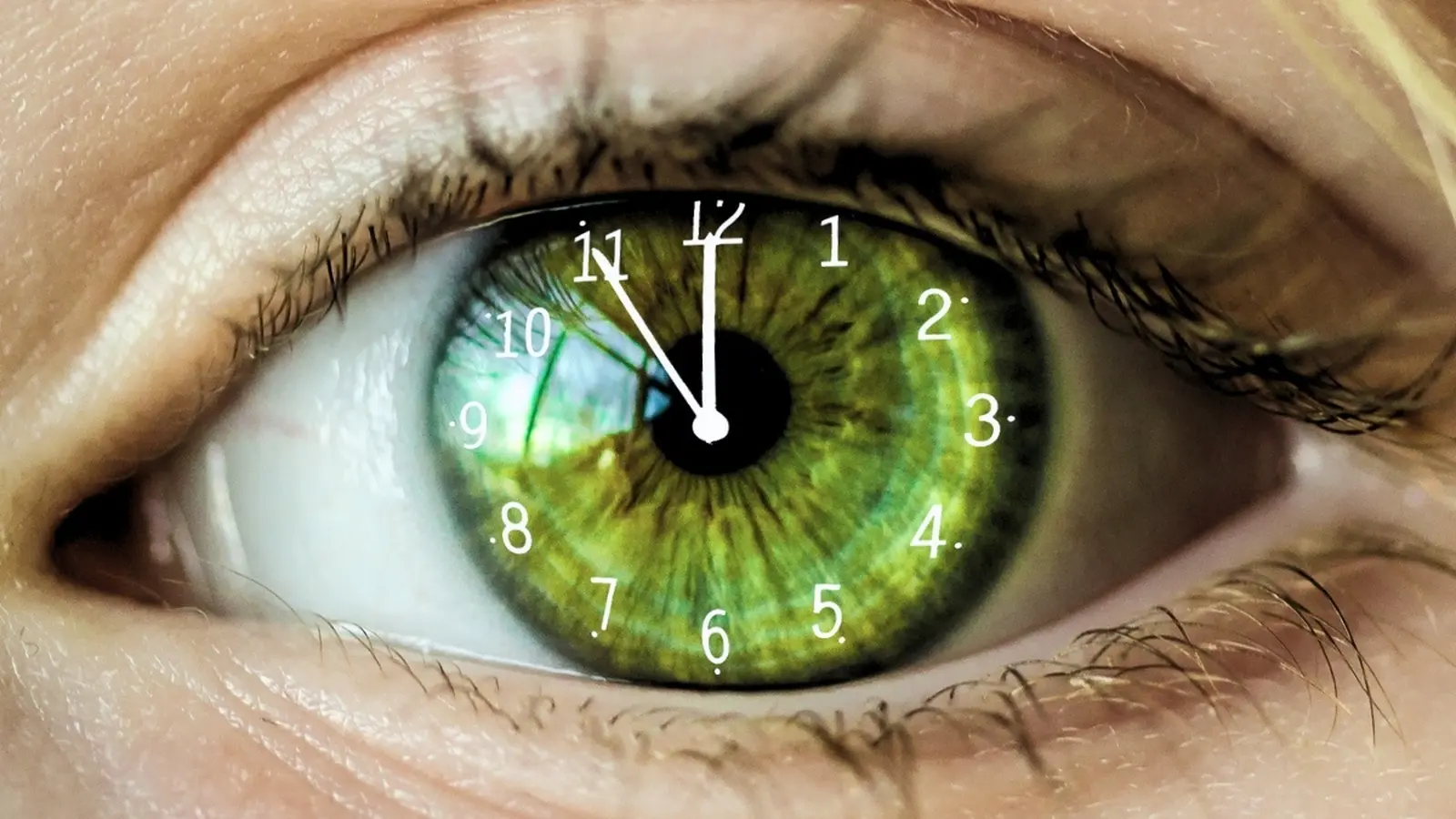
Researchers have built a transcriptomic clock: a tool that decodes RNA patterns to see which genes are switched on or off. Unlike epigenetic clocks that track chemical marks on DNA, this approach listens to the cell's active script — the immediate responses, repairs and breakdowns playing out in tissues. Short-term, dynamic. Direct.
The scale of the work is striking. More than 11,000 samples from four mammals — mice, rats, macaques and humans — were analyzed across multiple tissues, from blood to muscle and liver. That breadth allowed the team to find gene-expression signatures that repeat across species and organ types. In other words, aging left a surprisingly similar imprint on very different bodies.
Some genes stood out as good actors: those involved in healthy cell division and tissue repair correlated with slower molecular aging. Others — linked to inflammation and programmed cell death — flagged more rapid decline. Feed those signals into the algorithm and you get an estimate of biological age and even a read on mortality risk that, in human blood samples, matched the performance of leading epigenetic clocks.

Practical implications are already clear. Scientists could use this clock to test whether drugs or lifestyle changes actually slow biological aging, offering quicker feedback than waiting for long-term outcomes. That makes it a powerful screening tool for interventions, though not a substitute for clinical trials when safety and efficacy must be proved.
There is healthy scientific caution, too. Conserved gene signatures suggest real biology at work, but correlation is not causation. Are these expression patterns drivers of aging, responses to damage, or attempts by cells to cope? Experts emphasize that some gene responses may be compensatory — cells struggling to maintain balance rather than the root cause of decline.
More work remains. The clock needs testing in more diverse human populations, and researchers want to refine which cellular subsystems it measures best. Still, publishing their results in Nature, the team has handed the field a new map: a cross-species, multi-tissue atlas of molecular aging that could help pinpoint when and where aging accelerates or stalls.
It won't tell you the date on which your life ends. But it may tell scientists whether a new pill, diet or habit nudges your biological clock forward or back — and that could change how we study aging, one gene at a time.
.avif "Science-Backed Strategies to Slow Biological Aging and Boost Longevity")

Leave a Comment
Comments
No comments yet. Be the first.