
2 Minutes
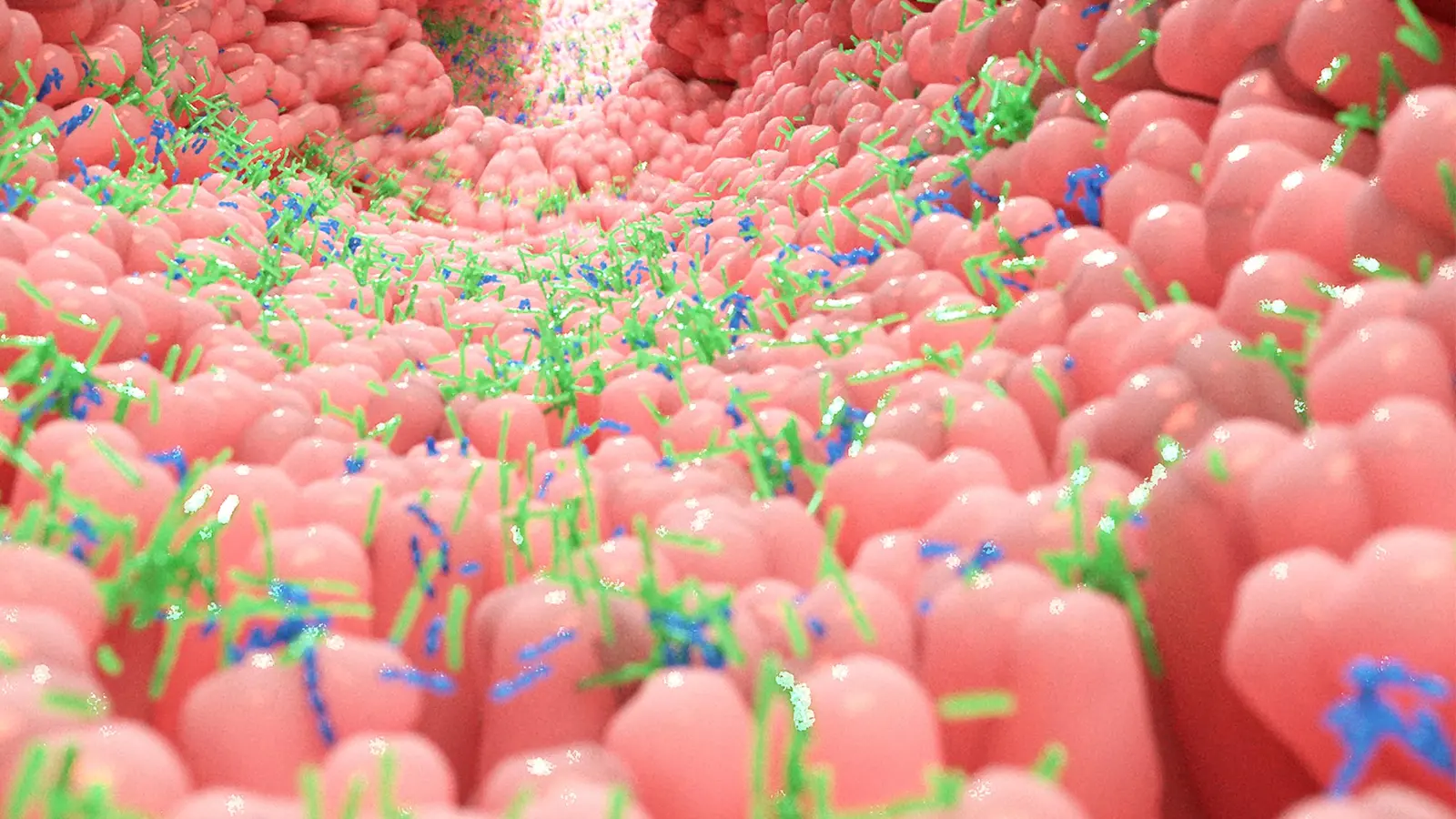
Think of the gut as a bustling post office and the parcels it sends as microscopic messengers. Some carry instructions that keep us healthy. Others may be stamped with the wrong address and deliver trouble.
Scientists at the Joan C. Edwards School of Medicine, Marshall University, report that tiny vesicles called gut luminal exosomes—nanometer-scale packages of proteins, RNA and other cargo—appear to shuttle molecular signals linked to aging throughout the body. These are not passive debris. They behave like couriers that can change how distant tissues respond.
In experiments published in Aging Cell, researchers isolated exosomes from older animals and introduced them into younger ones. The result: signs typical of aging emerged—insulin resistance, heightened inflammatory markers and damage to the intestinal barrier. Flip the script and give older animals exosomes taken from young donors, and several metabolic abnormalities were reduced. It was a striking, almost cinematic reversal.

“This work helps explain how biological stressors tied to aging might accelerate disease processes,” says Abdelnaby Khalyfa, lead author and professor of biomedical sciences. He and his team emphasize that these vesicles carry specific molecular fingerprints—clues that could eventually be used to detect or even modify age-related disease pathways.
Why does a leaky gut matter beyond digestion? When the intestinal barrier weakens, molecules that normally stay contained can leak into the bloodstream and fan systemic inflammation. Chronic, low-level inflammation is a common thread in heart disease, metabolic disorders, altered immune function and even disrupted sleep. The exosomes may be both reporters and instigators of that inflammatory dialogue.
What excites researchers most is the identification of distinct molecules inside those exosomes. These signatures offer potential biomarkers to track aging-related changes and, in time, targets for new therapies—strategies that could range from reshaping the gut environment to engineering exosome cargo.
Caution is warranted. These results come from animal models; human biology is more tangled. Still, the study reframes the gut not merely as a site of digestion but as a dispatch center for signals that shape whole-body aging. If microscopic parcels from our intestines can nudge tissues toward health or decline, then altering the content of that mail might change the course of age-related disease.

Leave a Comment
Comments
No comments yet. Be the first.