
2 Minutes
What if the familiar idea of autism as a single, continuous spectrum is hiding as much as it reveals? That question drove a recent study that pushes beyond labels and asks for a more detailed, biology-based map of neurodiversity.
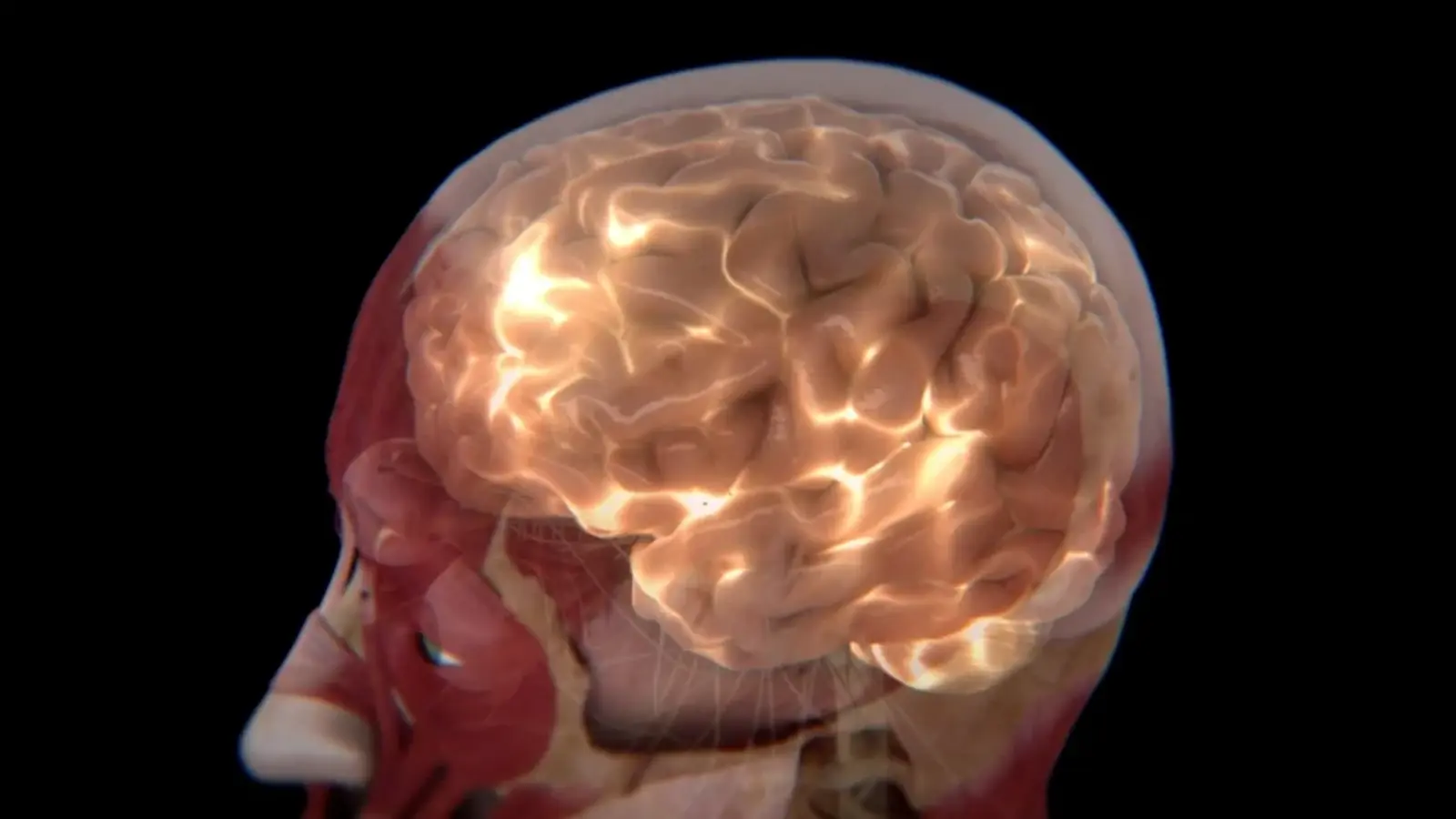
The researchers did not stop at observation. They combined data from multiple species and used refined analytical techniques to look for consistent patterns in brain connectivity and behavior. The result is less a single line and more a branching map — one that hints at distinct subtypes rooted in measurable biological differences.

This is not speculation. The team published their findings in Nature Neuroscience and, unusually for work of this scale, released both the underlying datasets and the software they used to analyze them. That openness serves a practical purpose: larger pools of data and shared tools make it easier for other scientists to test, refine, and expand the proposed stratifications.
Why cross-species work? Because some neural mechanisms are conserved across mammals, and comparing them can reveal signals that are faint or noisy in human-only cohorts. Translational approaches like this aim to bridge lab models and clinical observations, improving our chances of finding meaningful biomarkers.
Crucially, the study frames autism not as a flaw to be boxed but as a multidimensional landscape where connectivity alterations may cluster into biologically coherent groups. Those clusters could help explain why two people given the same diagnostic label experience very different strengths and challenges.

The team made their database openly available to accelerate follow-up research, inviting others to build and test new hypotheses.
There are still gaps. Bigger, more diverse datasets and sharper analytical lenses will be needed to confirm and extend these subtypes. But the approach shifts the conversation: from a single-spectrum shorthand to a richer, testable taxonomy grounded in biology. Who decides the next boundaries? The science — and the shared data — will tell us.

Leave a Comment
Comments
No comments yet. Be the first.