
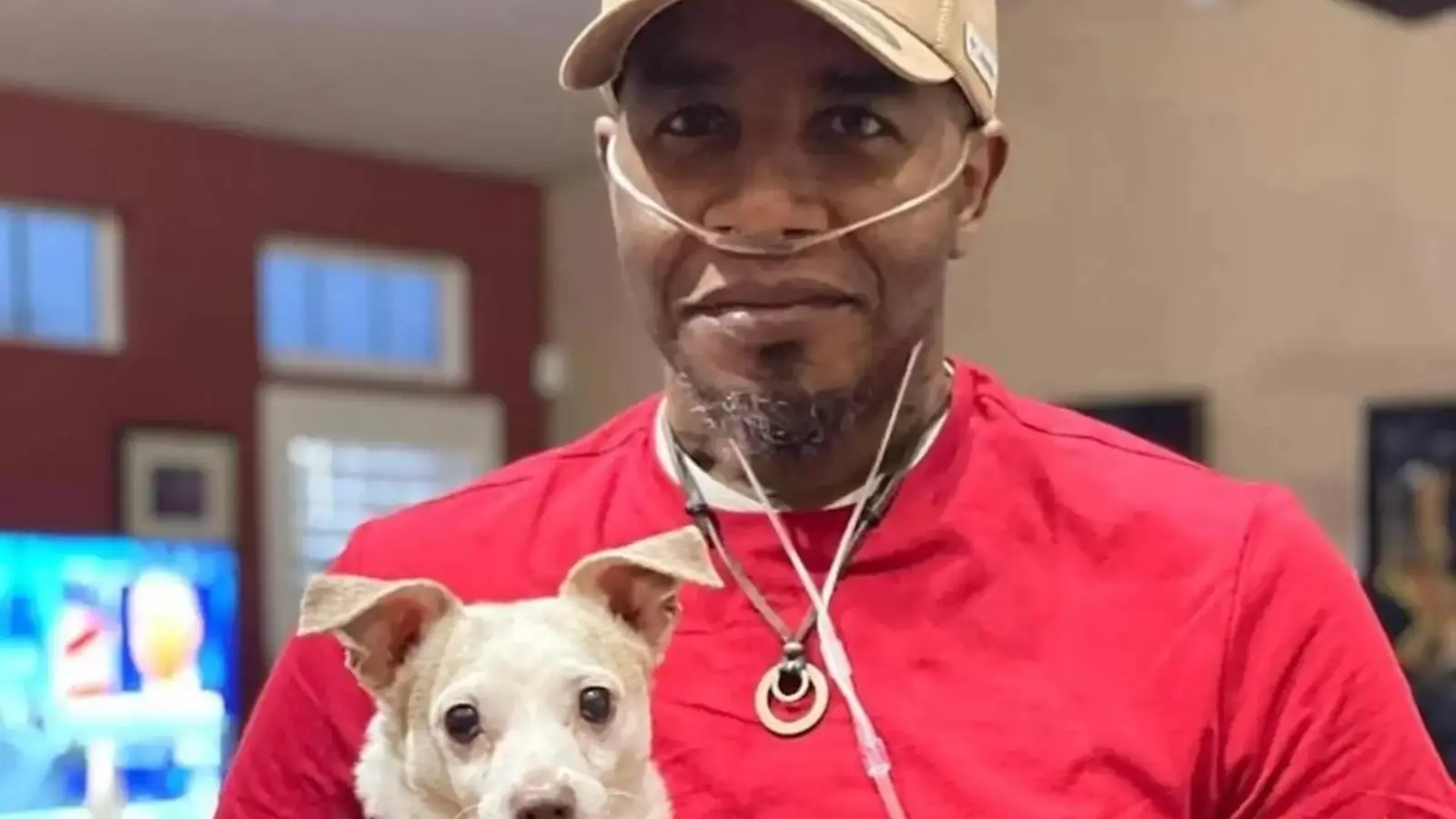
They brought him back from the brink. A single operating room, a donor who had lived with HIV, and a 56-year-old recipient whose lungs had nearly failed—this is not medicine as we imagined it a generation ago.
On March 21, 2026, surgeons at NYU Langone Health performed a simultaneous double-lung and liver transplant using organs from an HIV-positive donor to an HIV-positive recipient. The recipient, Bertrand Nelson, had carried HIV for more than two decades and battled sarcoidosis, a condition that left scar tissue in his lungs. After a severe respiratory infection in 2021 his pulmonary function steadily declined, and by 2024 he urgently needed new organs.
This operation is the first reported success in transplanting lungs from an HIV-positive donor into another person living with HIV. Kidneys and livers from HIV-positive donors have previously been used under tightly regulated research protocols, but lungs—delicate, infection-prone, and notoriously unpredictable after transplant—have remained a last frontier. Heart and lung procedures have long been treated as especially high-risk when the donor carried HIV. That barrier just shifted.
Nelson’s path to the table was rocky. Turned down by another transplant center, he was evaluated at Langone and placed on the waiting list in October 2024. Months later, a match arrived. The operation itself was dramatic: he suffered a respiratory arrest during surgery and the team resuscitated him. Sixty-seven hospital days followed. Then home. He is recuperating now, adapting to life with new lungs and a transplanted liver while continuing antiretroviral therapy.

How did this become possible? Partly through law, partly through science. The United States’ HOPE Act, passed in 2013, opened research pathways to use organs from donors with HIV for recipients who also have the virus, under strict safeguards. Initially the program focused on kidneys and livers. Over the years, advances in antiretroviral treatment—drugs that suppress viral replication to undetectable levels—have turned HIV into a manageable chronic condition for many, and they have reshaped both the ethical and clinical calculations around donation.
Still, lungs raise particular concerns. They are exposed to the environment. They host complex microbial communities. Postoperative infections are a constant threat. That is why transplant specialists called this case a milestone: it proves that, with careful screening, immunosuppression management, and vigilant follow-up, even fragile organs can be successfully transferred between people living with HIV.

This milestone widens the donor pool and reframes what treatment can look like for people living with HIV.
Physicians involved say the significance runs in two directions. Clinically, expanding the eligible donor pool could shave weeks or months off waiting times for patients who otherwise face grim odds. Socially, the work chips away at stigma: people with HIV can be both recipients and lifesaving donors. Scientifically, cases like Nelson’s are rare windows into how HIV behaves in the post-transplant human body—how immunosuppression interacts with chronic viral control, how reservoirs respond to new therapies, and whether long-term outcomes differ from transplants involving HIV-negative organs.
Experts emphasize caution even as they celebrate. Transplant teams must monitor graft function, viral loads, and opportunistic infections closely. Legal frameworks and research protocols remain crucial to ensure safety and ethical transparency. Clinicians such as Sapna Mehta from NYU Langone have described this success as a turning point in HIV care—one that requires rigorous collection of outcomes data and careful expansion of eligibility criteria.
Researchers like Cameron Wolfe at Duke University see added scientific upside: each case offers a controlled environment to study HIV persistence and immune responses after major organ replacement. Those insights could nudge the field toward better long-term control strategies and perhaps inform efforts toward durable remission.
There are practical ramifications, too. As people living with HIV live longer—thanks to modern antiretroviral therapy—age-related conditions and organ failure become more common. That reality intersects with global shortages of donor organs. Using HIV-positive donors safely could ease supply constraints and save lives, provided protocols remain robust and outcomes continue to improve.
Nelson’s story is a reminder that medicine advances unevenly: breakthroughs arrive at the margins, propelled by legal shifts, scientific persistence, and clinical daring. It’s also a human story. Scar tissue, long survival with a chronic virus, an unexpected match, a harrowing surgery, and then the slow, uncertain work of recovery.
Will this case become routine? Not overnight. But it does change the conversation—about who can donate, who can receive, and what a life with HIV can look like in an era of increasingly capable medicine.

Leave a Comment
Comments (2)
Is this even safe long term? Lungs are so fragile, immunosuppression + HIV sounds risky. Promising but need years of data, idk.
Wow, that gave me chills. Medicine moving fast, hopeful but also nervous, if that holds up... amazing but I'm anxious