

Stifling, relentless, and sudden. Streets in Paris shimmered under an early-summer sun that felt more like a blast furnace than a gentle June warmth. People sought shade wherever they could find it — under umbrellas, along canal banks, in the thin air of subways and closed museums.
Meteo‑France reported that the country's national temperature indicator — an average of day and night readings from 30 stations — climbed to a provisional 29.8 °C, the highest since systematic measurements began in 1947. Nights offered no relief: France also logged its warmest overnight temperatures on record, removing the usual cool pause that gives bodies and cities a chance to recover.
The human stories were small, sharp, and immediate. A construction worker in Paris shrugged and said he had to keep going to pay the bills. In Madrid, delivery crews described working inside metal trucks that amplified the sun’s heat until shirts were soaked and concentration waned. Families closed schools early. Tourists complained of feeling 'suffocated' on boulevards and in cramped rental flats.

Heat alerts spread fast. Spain put almost the whole country under warning, with southern and northern provinces on the highest alert for 'extraordinary danger.' Italy raised red alerts for 15 cities, including Rome and Milan, where increased air‑conditioning demand caused blackouts. The UK's Met Office issued a rare red warning for central and southern England — only the second time such a warning has been used — and warned temperatures could approach 40 °C at this time of year.
Health systems felt the strain. Nurses in Spain warned that some hospital zones were topping 30 °C, a perilous environment for patients and staff. Authorities across Europe urged people to drink water, check on the elderly, and avoid exertion during peak heat. Yet many workers had no choice but to be outdoors, and emergency services reported surges in heat-related calls. Since the heatwave began on June 18, French officials said dozens of mostly young people had drowned after seeking relief in open water; separate incidents in Germany also resulted in several fatal swimming accidents.
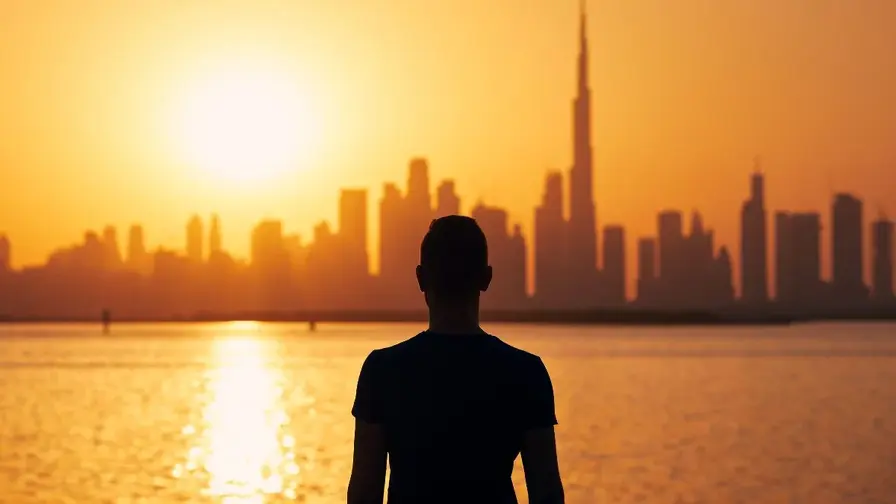
Why now? Part of the answer lies in weather patterns stacked on top of one another. A plume of hot air pushed up from North Africa and was drawn across western Europe by a cold front off Portugal. At higher altitudes, persistent high pressure compressed that warm air, intensifying temperatures at the surface. The effect was described by a forecaster as a kind of 'heat pump' — simple physics acting at continental scale.

Scientists say these sizzling extremes are exactly what a warming climate makes more likely: heatwaves that come more often, last longer and reach higher peaks as humans continue to burn fossil fuels.
Rail operators advised against travel on some lines, and several schools — lacking adequate cooling and outdoor shade — closed for days. Urban workplaces reported workshops and assembly lines nearing 38–40 °C, prompting early shift endings and industrial protests. Power systems creaked under demand spikes, and hospitals debated makeshift fixes when air conditioning was insufficient.
The ripple effects reached beyond discomfort. Blackouts jeopardize refrigeration and medical equipment. Overheated workers are less productive and more prone to accidents. Overloaded emergency teams must triage the heat alongside routine crises. Countries from Austria and Poland to Hungary and Croatia issued warnings, and ambulances in Hungary and Slovenia answered more calls from older residents struggling in the heat.
It is tempting to focus on the numbers — 29.8 °C national average, 38 °C in Madrid, possible 40 °C in parts of England — but the real story is how those numbers alter behavior and risk. Parks fill with sun‑seekers one day and stretch emergency services the next. Governments issue advice; citizens improvise. The next summer is never the same as the last.

When thermometers keep resetting records, the question stops being 'if' and becomes 'how will societies adapt — and how fast will we cut emissions to slow the next wave?'

Leave a Comment
Comments (2)
is this even true? avg 29.8C sounds wild, maybe city sensors skew numbers. and those drownings, tragic, but were safety measures in place? if that's real then...
wow, brutal scenes... nights not cooling, people paying with health. factories shutting, blackouts?? feels unreal, climate isn't waiting. stay safe ppl