
3 Minutes
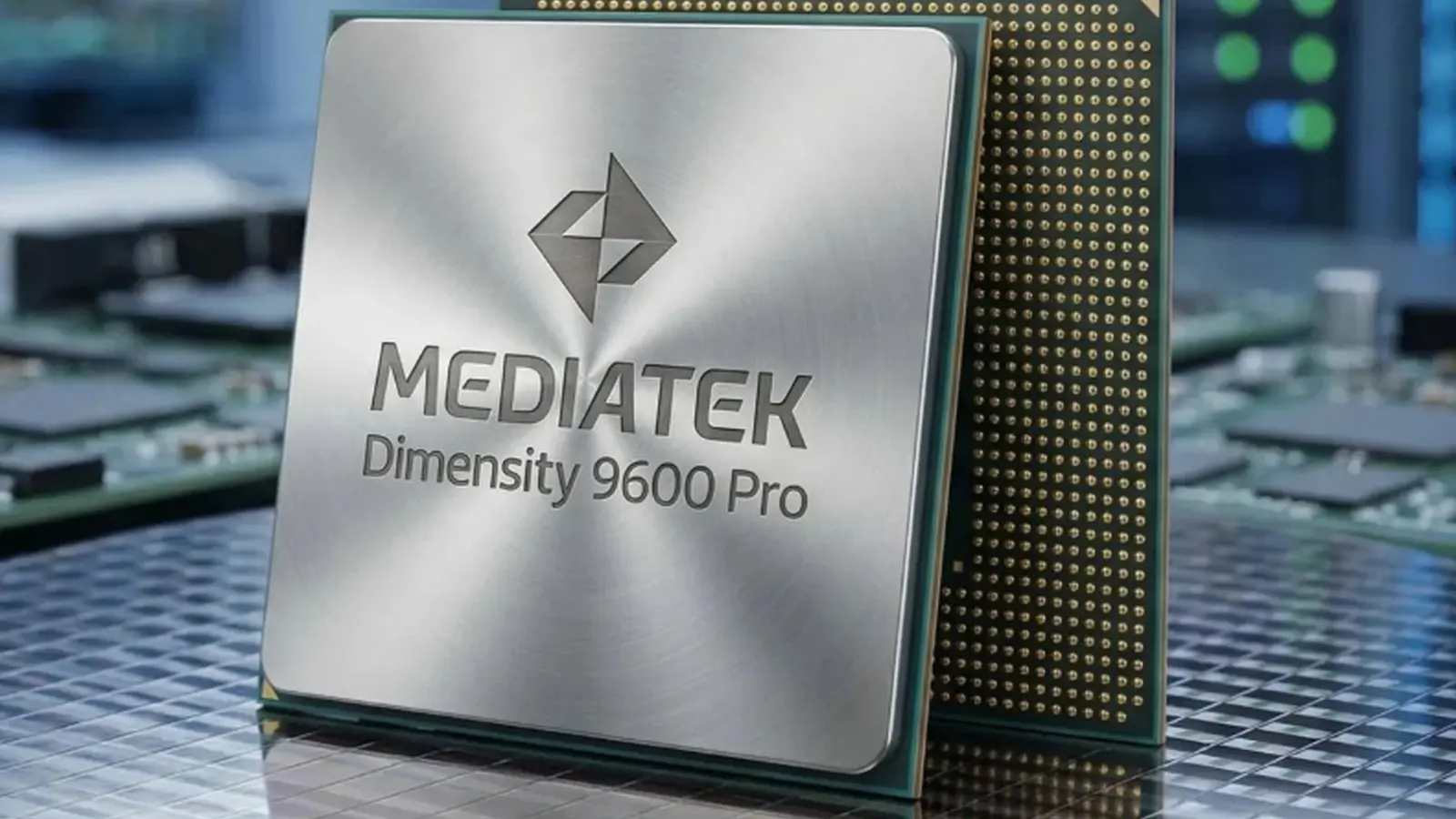
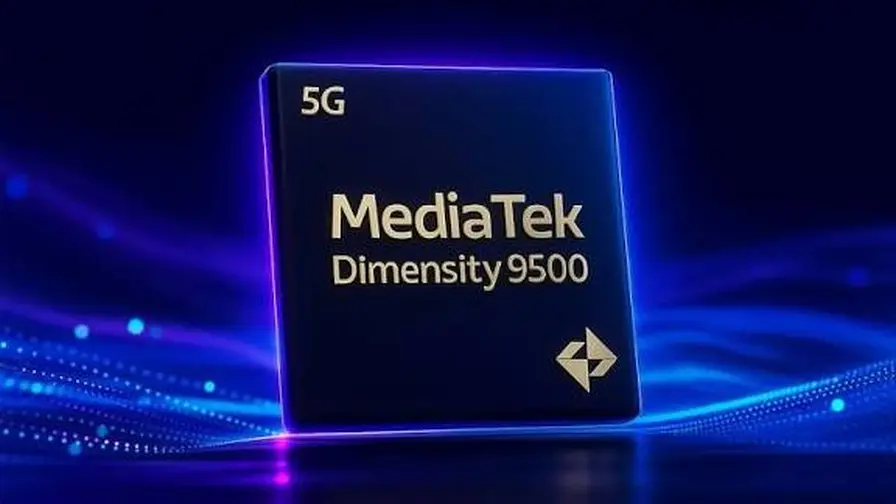
Think of smartphone chips as the hidden tax behind every flagship—quiet, expensive, and suddenly louder. Supply-chain whispers now peg MediaTek's upcoming Dimensity 9600 Pro at about $216 per unit (roughly RMB 1,466). That number isn't a rounding error. It represents an 8% to 20% rise over the Dimensity 9500, which currently sits in the $180–$200 range.
Why the jump? Industry sources point to what manufacturers are calling a "structural recovery": stronger demand for new handsets, better traction in emerging markets, and a willingness from brands to invest more in premium silicon. It's not an isolated move either—Realtek raised prices on some product lines by roughly 10% recently, a pattern that suggests suppliers are recalibrating margins as manufacturing and R&D costs climb.
On the technical side, the 9600 family looks split into two clear camps: a baseline model and a Pro variant. The Pro is rumored to be built on TSMC's N2P, a 2nm-class node, and to support faster LPDDR6 memory. The standard chip, by contrast, may use N2 with LPDDR5X. Smaller transistors mean higher peak clocks and better energy efficiency. They also mean pricier wafers and a heftier bill for phone makers.
Performance claims are bold. The Pro is tipped to use a 2+3+3 octa-core layout: two Cortex C2-Ultra cores that could push near 5GHz, three C2-Premium cores, and three C2-Pro cores. In plain terms: expect big single-core bursts and serious multi-threaded throughput. Add UFS 5.0 storage, an upgraded Arm GPU codenamed Magni, and beefed-up on-device AI, and you have a chip designed to chase Qualcomm's Snapdragon 8 Elite Gen 6 Pro and challenge some A-series scores in specific tests.

Yet raw silicon is only half the equation. Moving to a 2nm-class process brings tangible efficiency gains—better battery life at matched performance or higher performance for the same power. The trade-off is financial: advanced nodes increase mask and wafer expenses, and those costs tend to trickle downstream to OEMs and, ultimately, consumers.
MediaTek's momentum in premium tiers has been notable, particularly with Chinese OEMs such as Oppo and Vivo leaning heavily on its platforms. The Dimensity 9600 series is expected to appear in devices slated for a September 2026 launch window, which means the market will soon test whether buyers care more about incremental specs or total value.
Expect flagship phone prices to inch up as component costs climb.
That sentence is a blunt reading of the near-term impact: a chip price that's up to 20% higher doesn't translate directly into the same percentage increase in retail cost, but it narrows margins, nudges pricing choices, and influences which features brands prioritize. Will manufacturers absorb the difference? Or will they pass it along to customers in the form of thinner promotions or higher starting prices? Watch the September launches for answers.
At heart, this is a moment of industry recalibration. MediaTek is betting that investing in cutting-edge process nodes, faster memory, and stronger AI will pay off in market share and perceived value. For buyers, the question becomes whether those improvements matter enough to justify a slightly steeper price tag—and who gains when silicon gets pricier: the companies that innovate, the brands that market, or the customers paying the bill.










Leave a Comment
Comments
No comments yet. Be the first.