
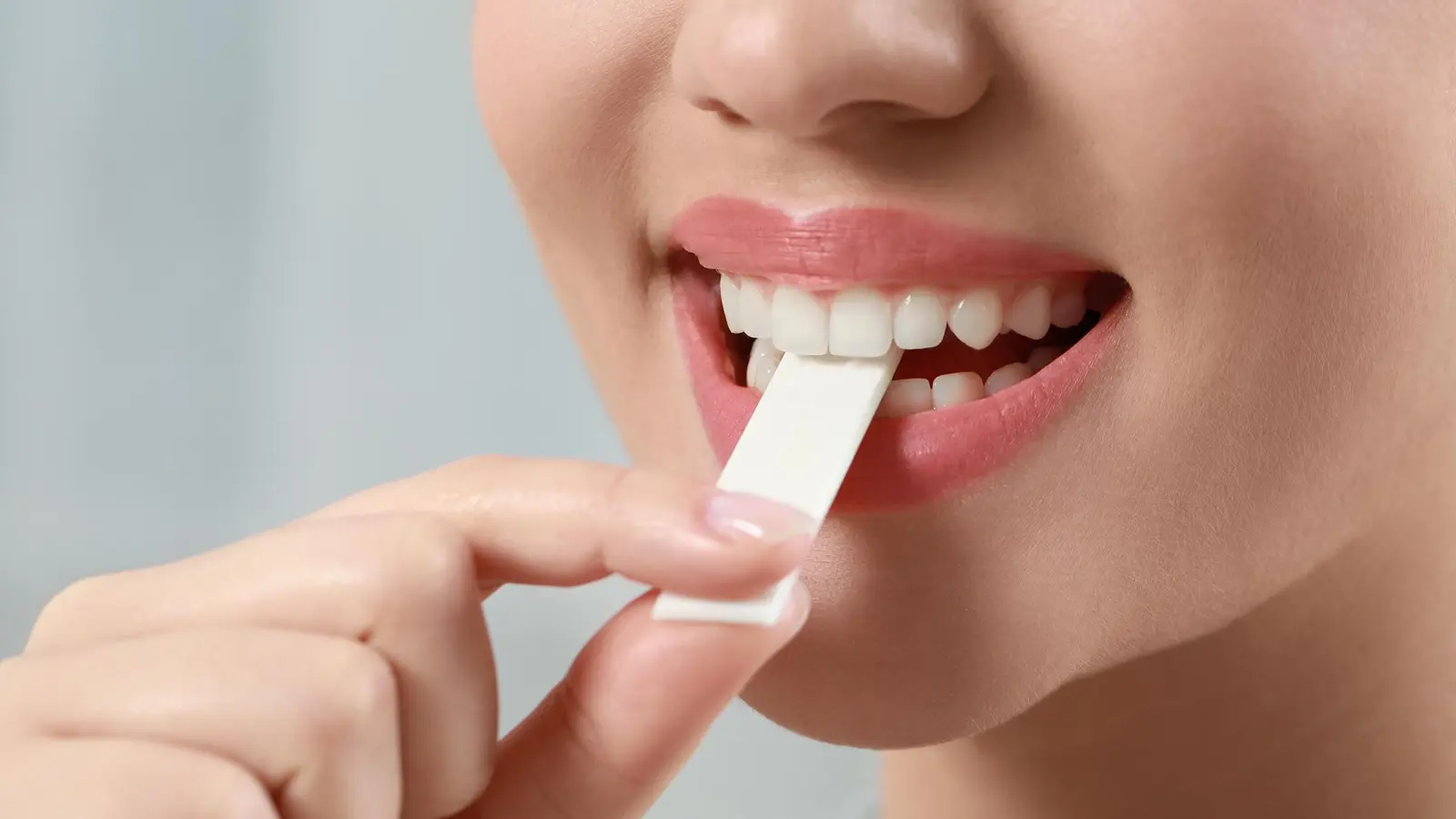
Chew on this: the humble stick of sugary gum—yes, the kind you pop after a meal—might briefly amplify the blood-pressure benefits of nitrate-rich vegetables such as beetroot, spinach and kale. Strange? Absolutely. Plausible? King's College London researchers say so.
It’s not the gum alone doing the heavy lifting. It’s the tiny ecosystem in your mouth. Plants take up nitrate from soil. That nitrate is mostly inert until oral bacteria convert it into nitrite, a molecule that helps relax and widen blood vessels. In other words, what happens in your mouth can change how your circulation responds to the food you eat.
With that biology in mind, the team set out to test a simple hypothesis: could making saliva more acidic improve the nitrate-to-nitrite conversion? To try it, volunteers drank a shot of beetroot juice and then chewed either a sugar-containing bubble gum or a sugar-free gum for several hours. Blood pressure, saliva and blood samples were collected over the course of the experiment, and the participants returned at least a week later to repeat the protocol with the alternate gum.

The sugar gum produced a clear, short-lived effect. Saliva pH dropped by about 1.4 units compared with sugar-free gum. Mouth nitrite levels rose roughly 45 percent, and circulating nitrite in the blood increased by about a quarter. Small but measurable changes in blood pressure followed: systolic and diastolic pressures fell by nearly 3 and 2 mmHg, respectively, versus the sugar-free condition.
Those figures are modest. They’re also fleeting. The researchers stress this is a proof of concept rather than a prescription. Chewing sugary gum for hours isn’t a safe long-term strategy—dental decay and metabolic harms are real concerns. What the study does show, however, is that the oral environment can be nudged in ways that influence how dietary nitrate is processed.
That opens two lines of thought. One is culinary: pairing a nitrate-rich starter or salad with a sweet finish has long been a habit in some cuisines. Could that dash of sweetness momentarily enhance the vascular effects of the vegetables you ate minutes earlier? Possibly, at least for a few hours. The other line is athletic: dietary nitrate is already used as a supplement to boost exercise performance. If conversion to nitrite can be optimized safely, athletes might squeeze extra benefit from the same beetroot shots they already use.
Investigators—including Dr. Andrew Webb of King’s College London and co-author Dr. Charlotte Mills of the University of Reading—are cautious. The effect was demonstrated in healthy volunteers under controlled conditions. It is not an endorsement of sugary products as therapy. The next logical step, they say, is a larger, targeted study in athletes and the search for tooth-friendly, metabolically sound alternatives that replicate the same boost to nitrate conversion without the harms of sugar.
Small interventions, surprising chemistry, and a reminder that the mouth is a metabolic gateway—who would have thought a piece of gum might tweak blood chemistry and circulation just long enough to matter?


Leave a Comment
Comments
No comments yet. Be the first.