
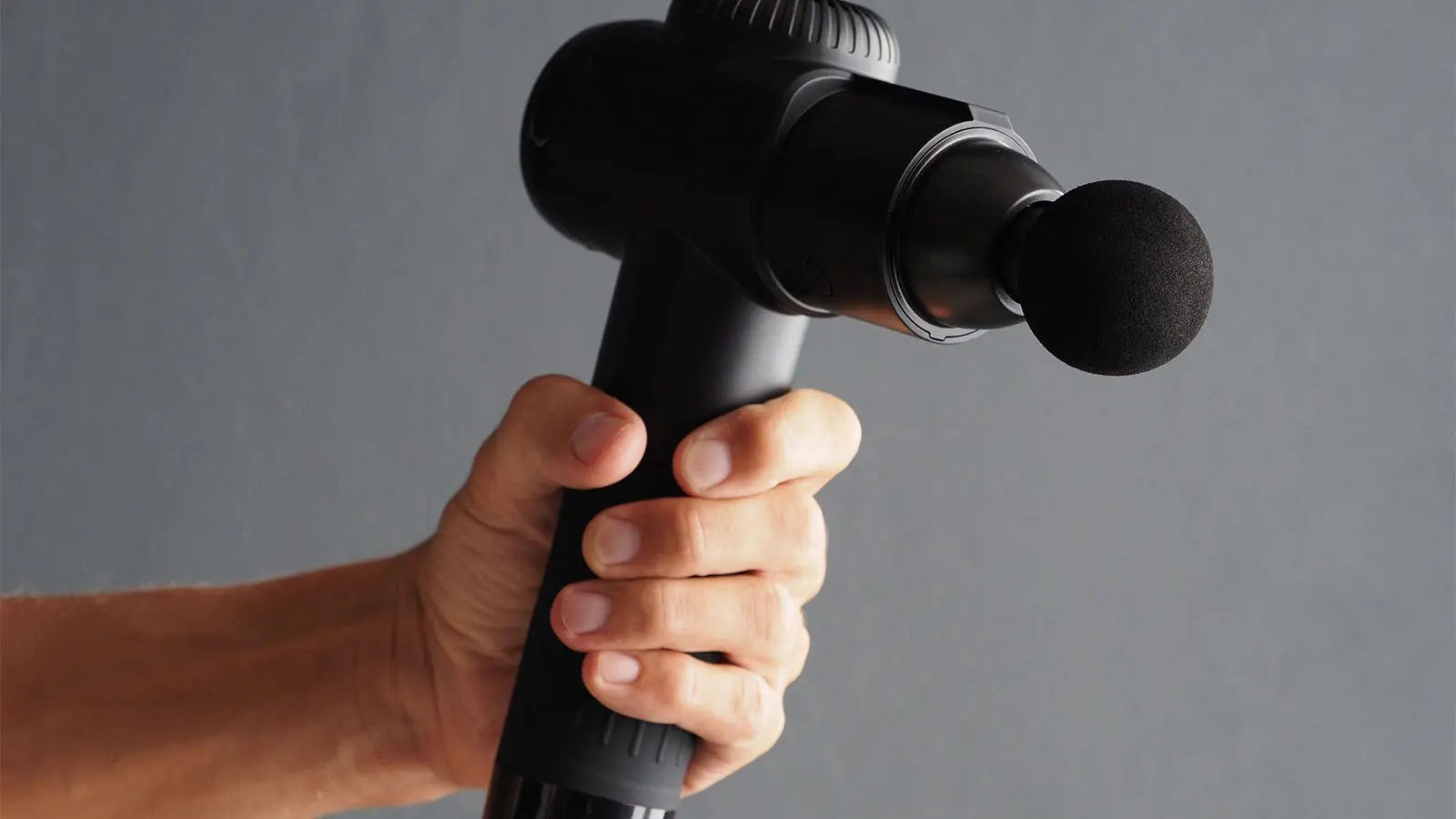
She felt a quick jolt near her eye. Then came floaters and a blot of vision that didn’t vanish. A routine reach for a handheld massage gun had delivered an unexpected blow to the retina.
The patient later told doctors she had not noticed any warning in the device’s instructions advising against ocular use. That detail matters. It reveals a gap between how people actually use percussive devices and the limited safety messaging that accompanies them.
Ophthalmologists who treated the case call it unusual but serious. "This rare presentation highlights the potential for significant retinal injury," they write, noting that blunt, repetitive vibration near the eye can tear delicate tissues designed to withstand very little external trauma.
And it isn't the only headline-grabbing mishap. Another recent report links heavy massage-gun use on the thighs to rhabdomyolysis — a dramatic breakdown of skeletal muscle that can lead to kidney failure if not caught early. Same tool. Different body part. Both consequences worth paying attention to.

What does the scientific literature say? Not enough. Trials and small studies do suggest percussive therapy can ease muscle soreness, improve flexibility, and even enhance short-term strength. But there’s no universal safety standard, no agreed-upon usage protocols, and precious little guidance about vulnerable zones such as the face, neck, or bare eye socket.
So how should you treat these devices? With respect. Use them where they make sense: on large muscle groups, for limited periods, and at conservative intensity settings. Do not improvise around the eyes. If a device can be misdirected with a casual swipe of the hand, it needs clearer warnings on the box and in the manual.
Clinicians, too, have a role. When patients arrive with unexpected retinal problems or unexplained muscle breakdown, a short, targeted history about recent use of percussive tools can reveal the culprit. The authors of the case advise physicians to ask directly about such devices in baffling presentations.
The case appears in BMJ Case Reports and acts as a cautionary vignette for both consumers and manufacturers: these gadgets offer real benefits, but their power is literal — and proximity matters. Think twice before you aim it at your face.


Leave a Comment
Comments
No comments yet. Be the first.