
3 Minutes
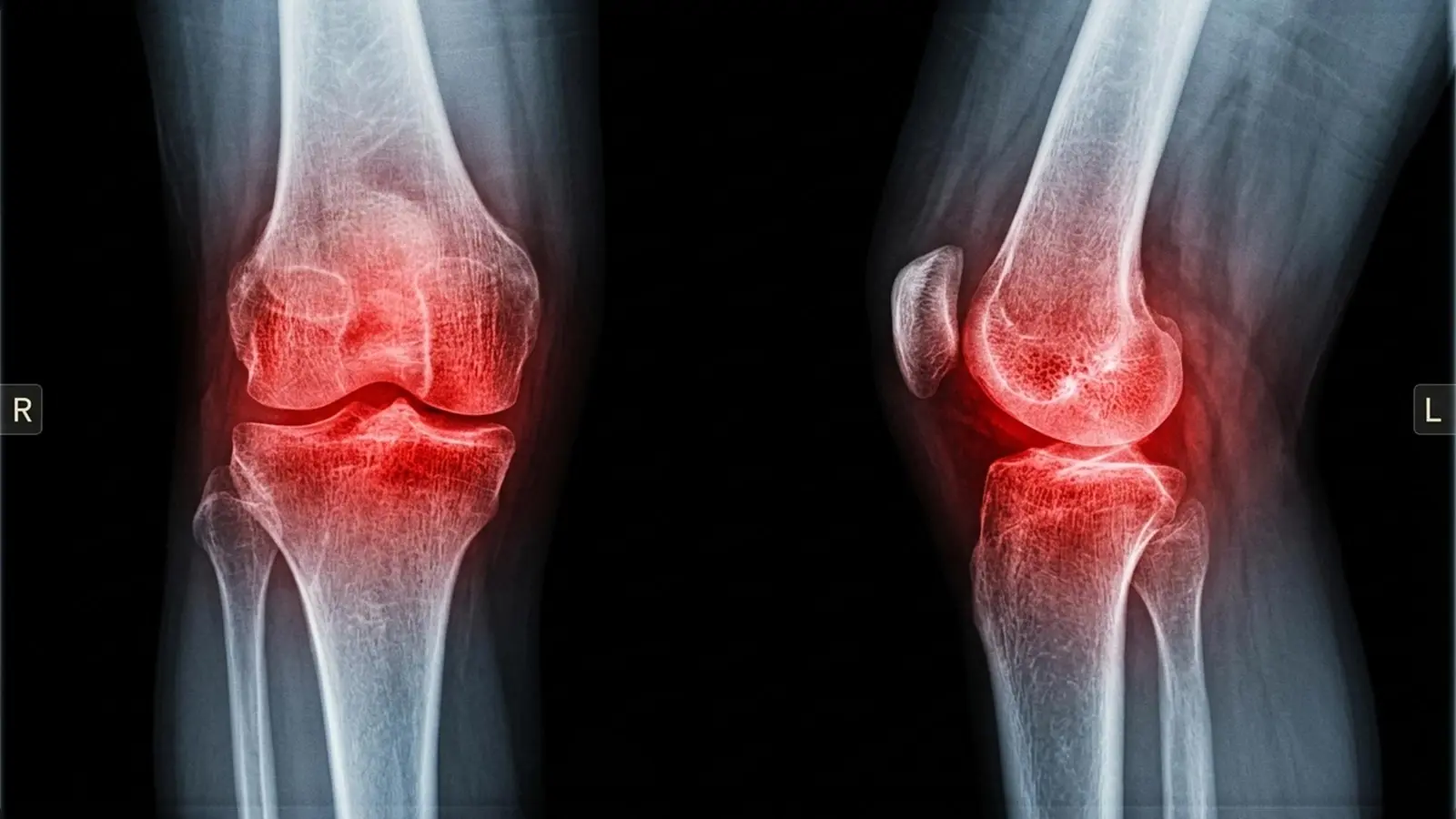
She went back to her garden. Slowly at first, then with the same careful pleasure she had before the pain took over. Cynthia Schraf-Fletcher, 74, had spent years managing a sore, swollen knee and worrying about another major operation. Instead she tried something unexpected: a minimally invasive outpatient procedure that uses microscopic beads to choke off troublesome blood vessels. The result? Months of relief and a return to the things she loves.
What if a handful of tiny particles could stand between you and a scalpel? That is the idea behind genicular artery embolization, or GAE. Interventional radiologists navigate a slender catheter into the arteries that feed the painful regions of the knee and release minute embolic beads. Those beads reduce blood flow to abnormal vessels tied to inflammation, dialing down swelling and pain without removing bone or cartilage.
It sounds almost surgical. But it isn't. Patients are usually under conscious sedation. The team makes a small puncture near the crease of the leg, threads the catheter through the femoral artery with X-ray guidance, and deposits the embolic material into the genicular arteries surrounding the joint. The whole process takes an hour or two. Most people go home the same day and rest for a few days while the joint settles.
For those with mild to moderate osteoarthritis, GAE is emerging as the middle ground many clinicians and patients had been waiting for. Traditional options sit on a spectrum: medications, physical therapy, injections — and, at the far end, total knee replacement. GAE fills the space between conservative care and major surgery, offering meaningful pain reduction without the risks and lengthy recovery of replacement.

About 70% of patients report substantial relief—often halving their pain scores—and some experience no pain at all after the procedure.
The technique began more than a decade ago in Japan and has quietly spread across specialist centers worldwide. Since 2021, several devices used in GAE have received breakthrough designation from the U.S. Food and Drug Administration, accelerating research and adoption. In Japan, longer-term follow-up suggests a single outpatient procedure can provide relief lasting up to four years. U.S. studies already show consistent two-year benefits for people who respond well.
At the University of Colorado Anschutz School of Medicine, vascular interventional radiologists are probing how and why the treatment works. One trial is analyzing changes in knee joint fluid after embolization to map biological effects. Another evaluates a temporary arterial-blocking device called Nexsphere-F, which obstructs small vessels thought to sustain inflammation and pain. These studies aim not only to measure outcomes but to refine who benefits most and for how long.
Not everyone is an ideal candidate. People with advanced joint destruction may see shorter-lived benefits, and GAE doesn't rebuild cartilage. But for patients who have exhausted conservative measures and are not ready—or are wary—of replacement, the procedure can restore function and quality of life. Clinicians report patients returning to cycling, gardening, and routine walks with markedly less discomfort.
Interest is growing beyond the knee. Researchers are investigating whether selective embolization can ease pain in other stubborn conditions: frozen shoulder, tennis elbow, and plantar fasciitis are among the targets under study. If the principle holds—treat the inflammation-sustaining vessels and symptoms follow—then the technique could become a useful tool across musculoskeletal medicine.
No medical advance is a silver bullet. But for someone like Cynthia, who wanted to avoid another major surgery after complications from a prior replacement, GAE offered a pragmatic trade-off: less pain, quicker recovery, and a chance to return to ordinary pleasures. Tiny beads. Big difference. For many patients, that is the point.









Leave a Comment
Comments
No comments yet. Be the first.