
3 Minutes
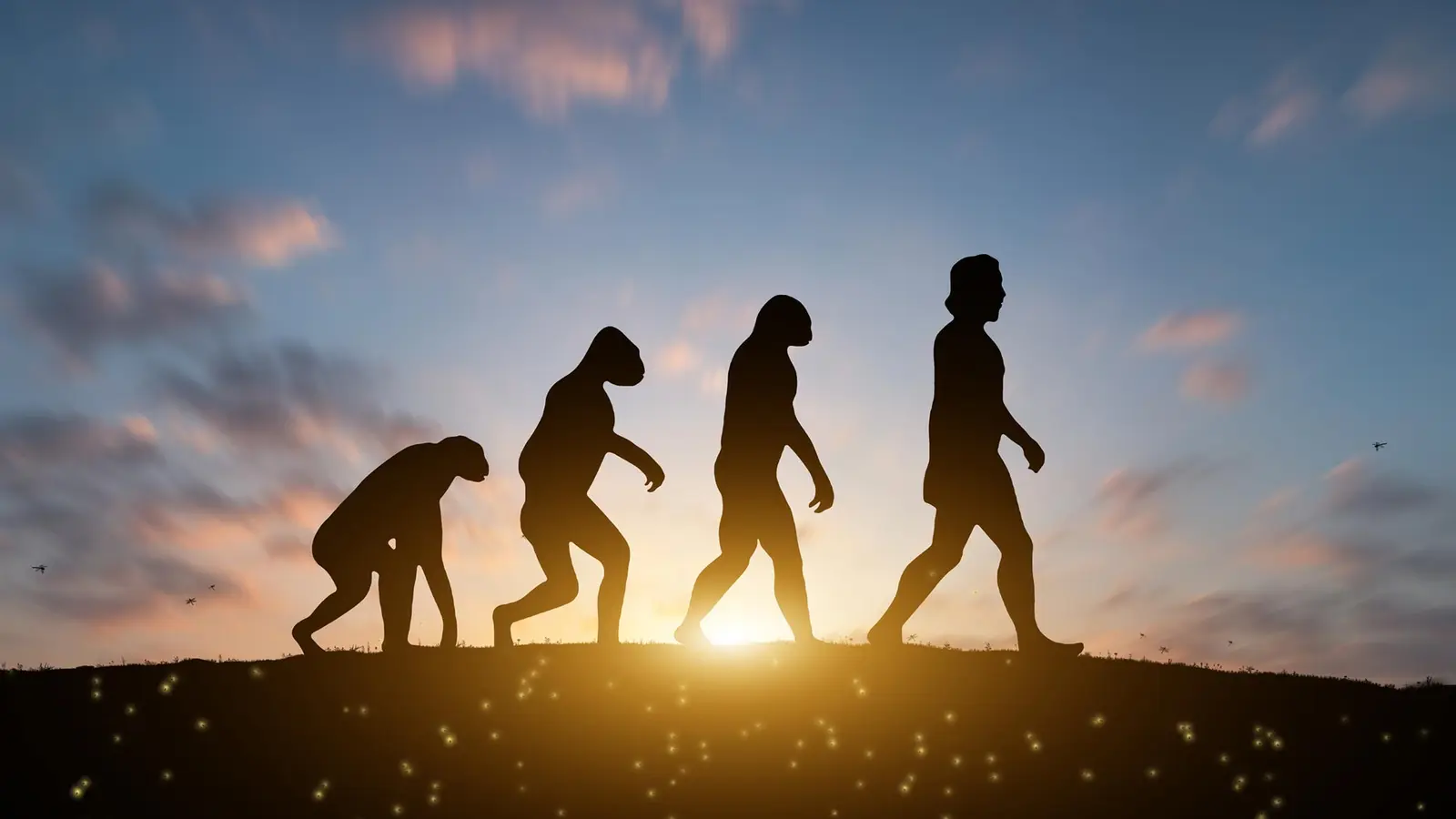
Picture an ancestor roughly the size of a modern child, weighing about 40 kilograms and moving across a patchwork of African savannah and woodland. Now imagine, a little later, a different figure emerging — taller, heavier, traveling farther. Which of those two pictures feels more like the start of the human story?
A new analysis by researchers at the University of Reading and the University of Oxford, published in PNAS, argues that both images are true. The team compiled body-mass estimates from 386 fossils spanning 21 hominin species and used phylogeny-aware statistical models to track how size changed through time. The result is neither a simple steady climb nor a single overnight transformation, but a mix: gradual increases followed by a pronounced jump in size around 2 to 2.5 million years ago, at roughly the time Homo rudolfensis or early Homo erectus/ergaster appears in the record.
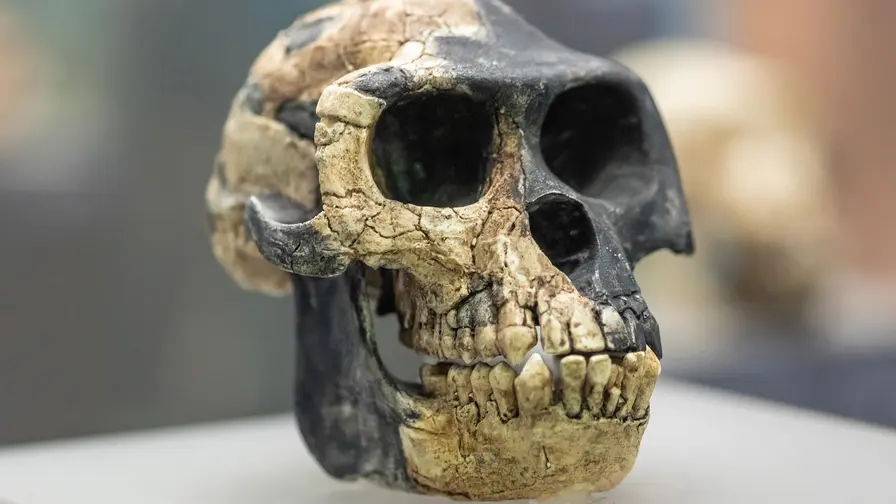
Some branches of our family tree refused the trend. Tiny-bodied species such as Homo floresiensis and Homo naledi remained compact. Australopithecus tended to cluster near that childlike 40 kg mark. Then a new chapter begins within Homo: species like H. erectus/ergaster average nearer to 60 kg, a weight range familiar to many people today.
Why did previous studies tell different stories? It turns out they were each looking at different slices of the fossil puzzle. Some focused on the early australopiths, others on later Homo fossils. Methods varied too — different ways to estimate mass from fragmentary bones. By folding species relationships and uncertainty about fossil assignments into one unified model, the researchers reconciled those apparently conflicting results and revealed a more complex pattern.
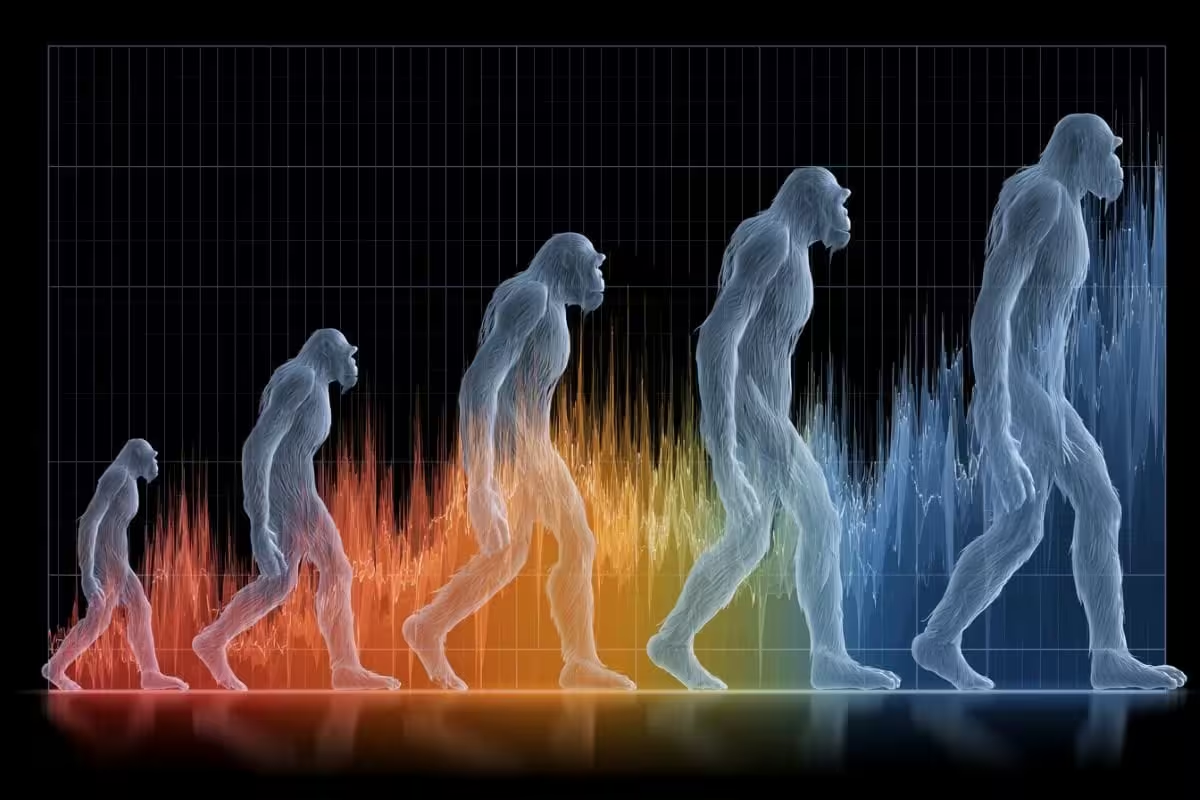
There is a clear ecological logic to the shift. Bigger bodies go hand in hand with a different lifestyle: more efficient long-distance walking, increased meat eating, and wider ranging behavior as hominins exploited new habitats. A larger frame would have eased travel and endurance, and buffered energetic swings when food was scarce.
Researchers see this size increase as part of a broader package of behavioral and environmental change, not an isolated anatomical tweak. Dr Jacob Gardner and colleagues argue that piecing together many fossils under one evolutionary framework makes it easier to spot that package. Dr Thomas Puschel notes that while body mass generally climbed through our deep history, the biggest step came later, inside Homo, alongside shifts in movement and resource use.
This study nudges us away from tidy metaphors of linear progress. Evolution is messy. Branches diverge. Some grow, some shrink, and some keep surprising us. If body size is a page in the book of human life, that sudden swell around 2 million years ago reads like a chapter where our ancestors rewrote the rules about how to move, feed, and survive.










Leave a Comment
Comments
No comments yet. Be the first.