
3 Minutes
They leave the hospital with food on their plates and rules in their heads. Yet too many return within months. About 40 percent of people hospitalized for anorexia nervosa are readmitted within six months — a sobering statistic that begs a biological explanation.
New work led by neuroscientist Virginie Tolle at France’s INSERM points to a surprising suspect: a small peptide called LEAP2 that opposes ghrelin, the stomach hormone tied to hunger signals. The study, presented at the Federation of European Neuroscience Societies Forum 2026 and published in Translational Psychiatry, tracked hormone shifts in people and behavior in mice to probe how metabolism and decision-making get tangled in anorexia.
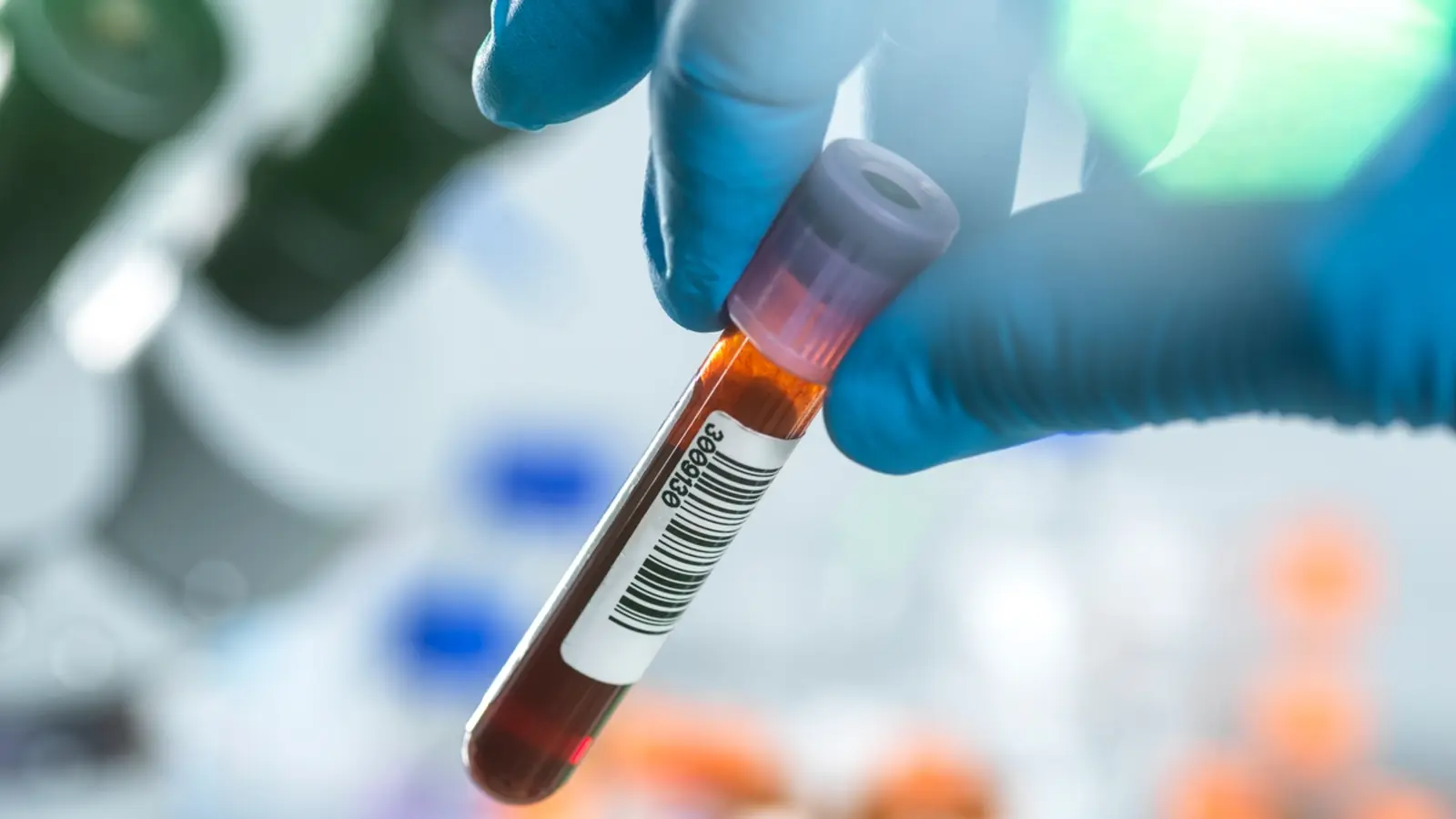
Tolle and colleagues followed 30 women, aged 18 to 60, through a four-month refeeding program at a specialized eating-disorders center. Blood samples were taken at admission, after the intensive refeeding, and again six months later. The pattern that emerged was subtle but consistent: LEAP2 levels were roughly 20 percent higher at hospitalization than after weight restoration, and in patients who later relapsed LEAP2 rose again.

Why does that matter? Ghrelin is often dubbed the “hunger hormone.” It rises when the stomach signals it’s time to eat and nudges the brain toward food-seeking. LEAP2, by contrast, acts as a brake on ghrelin. If that brake is too tight during recovery, hunger signals may be muted or misinterpreted. The result could be a metabolic state that interferes with appetite, impulse control, and the fragile decisions surrounding eating.
The team also tested behavior in a mouse model of weight loss. Mice that had been starved to lose about 25 percent of their body weight became markedly more impulsive: given the choice between a small immediate snack or waiting for a larger meal, the hungry mice often grabbed the quick reward. That impulsivity eased only partially after refeeding, and higher LEAP2 levels tracked with the persistence of impatient choices.
In human participants the researchers found a related signal: the ratio of ghrelin to LEAP2 correlated with impulse control after weight restoration, but only among those who maintained steady weight gain following discharge. For patients who relapsed, LEAP2 rebounded — a pattern that raises the possibility of using this peptide as a biomarker to flag relapse risk before behavior collapses into old patterns.
There is caution built into the findings. The sample is small. One study does not rewrite clinical practice. But the work opens two practical doors. First, a blood test that monitors LEAP2 or the ghrelin/LEAP2 balance could help clinicians identify patients at higher relapse risk and tailor follow-up care. Second, LEAP2 could become a target for new pharmacological strategies designed to rebalance hunger signaling and support the cognitive control needed for sustained recovery.
"Metabolic signals that normally regulate hunger adapt differently in pathological eating such as anorexia nervosa," Tolle told the conference. "These signals influence the brain and decision-making processes. LEAP2 appears to be a promising marker and potential therapeutic target, but replication in larger cohorts is essential."
This study stitches metabolism, neural circuits, and behavior into a single thread that may explain why recovery from anorexia so often unravels. If follow-up work confirms LEAP2’s role, monitoring that tiny peptide could become part of a smarter, more responsive care plan — and perhaps, one day, a new class of treatments.
For now, the message is both hopeful and cautious: the biology of hunger holds clues to relapse, and watching those clues closely might change how clinicians and patients navigate the long road back from anorexia nervosa.


Leave a Comment
Comments
No comments yet. Be the first.