
3 Minutes
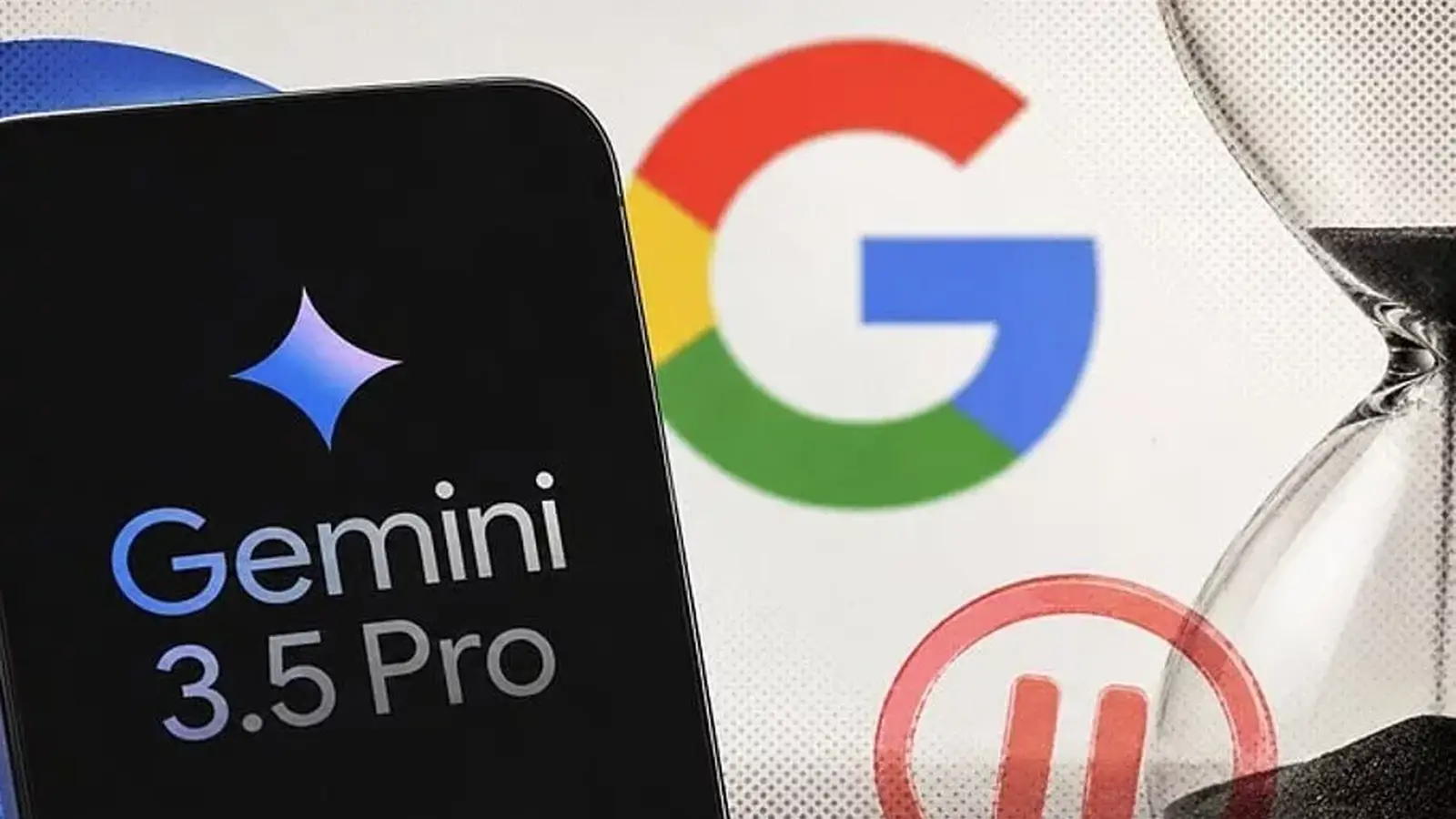
A Bloomberg scoop and investor impatience collided on Thursday, shaving about 4% off Alphabet's share price when reports surfaced that Gemini 3.5 Pro—Google's touted next‑generation AI model—has slipped months behind schedule.
Simple as that? Not really. Rumors spoke of extra months of refinement as engineers chased performance gains. Internal tests reportedly showed the model's coding abilities falling short of management expectations. The market reacted like a crowd that had been promised a show but found the curtain still closed.
Google first unveiled Gemini 3.5 Pro at its developer conference in May, saying the model was already in internal use and hinting at a wider release "next month." That timetable dissolved. For investors, a missed launch is more than a delay—it's a signal that competitors may be pulling ahead in an area that increasingly drives enterprise value: automated code generation.

The delay triggered a 4% slide in Alphabet shares and underscored how fierce the race for code‑generation supremacy has become.
Why the urgency around coding? Because AI that writes reliable, efficient code turns cutting‑edge research into immediate commercial tools for developers and enterprises. Firms like Anthropic and OpenAI, plus Chinese labs such as Z.ai, are shipping models—some with open weights—that developers can test and build on. Meta's new Muse Spark 1.1 was billed by its AI lead as Meta's most powerful agent‑centric and coding model yet. OpenAI rolled out GPT‑5.6 Sol and, according to Sam Altman, achieved a 54% token‑efficiency improvement on coding tasks.
Those public moves matter. When rivals deliver measurable gains in cost and capability, the bar shifts quickly. Google's delay was read not just as a hiccup in engineering but as a potential loss of momentum in a sprint where market perception matters as much as raw metrics.
A spokesperson for Alphabet told CNBC that the company is rapidly developing and deploying a range of models while keeping them cost‑effective for customers. They added that Google is testing the 3.5 Pro and other enhanced Flash‑family models with partners and maintaining constructive engagement with U.S. regulators. That defensive posture aims to reassure, but reassurance competes with tangible releases.
For engineers and product teams, the work is technical and iterative. For shareholders, it's a scoreboard. Short delays can cascade into reputational pressure when rivals publish tangible improvements and open‑source options proliferate, letting developers experiment free from vendor lock‑in.
Can Google close the gap? The company still controls massive data, talent, and infrastructure advantages. Yet in a market where model latency to market and coding prowess are headline metrics, every missed deadline echoes loudly. Investors and developers alike will be watching the next product milestones—and timing may be the next battleground.


Leave a Comment
Comments
No comments yet. Be the first.