
3 Minutes
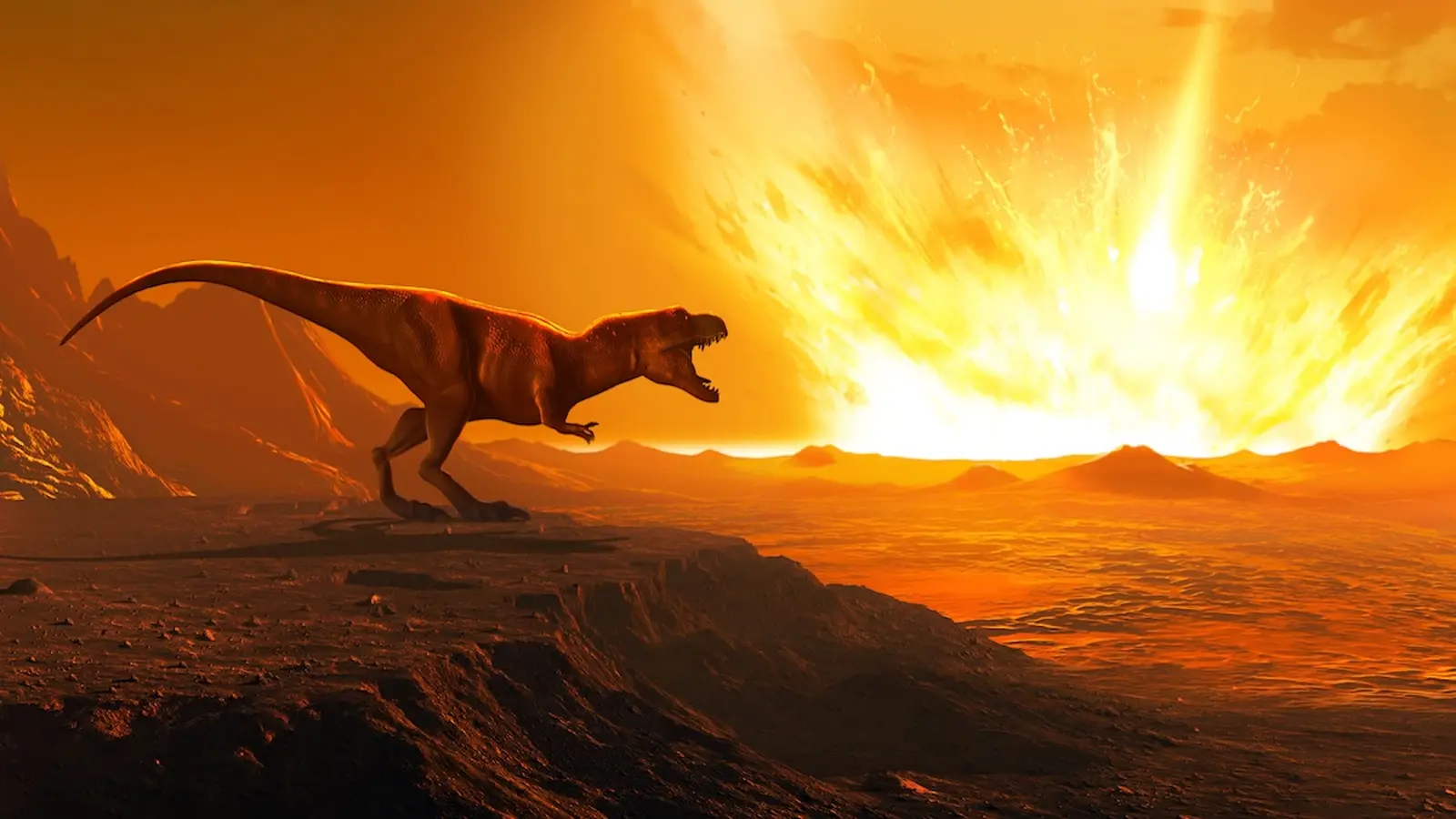
Imagine a cosmic billiard shot, but the cue ball came from the outer reaches of the Solar System. One strike, sixty-six million years ago, and an entire reign of giants was erased.
The crater at Chicxulub on the Yucatán peninsula has long been the smoking gun for the end-Cretaceous catastrophe. Firestorms, megatsunamis, earthquakes and volcanic shockwaves followed. Dust and soot shrouded the skies, sunlight dwindled, plants failed and food chains collapsed. Yet new research now adds an extra layer to that grim lottery: the rock that did the deed was not just big — it was extraordinarily rare.
Scientists analyzing the thin, dark layer that marks the Cretaceous–Paleogene boundary collected samples from five sites across Europe — from Denmark to Spain and Italy — and subjected the microscopic residue to a form of cosmic detective work. They isolated nickel, an element abundant in primitive space rocks but scarce in Earth's crust, and compared its isotope signature with those of known meteorite groups.

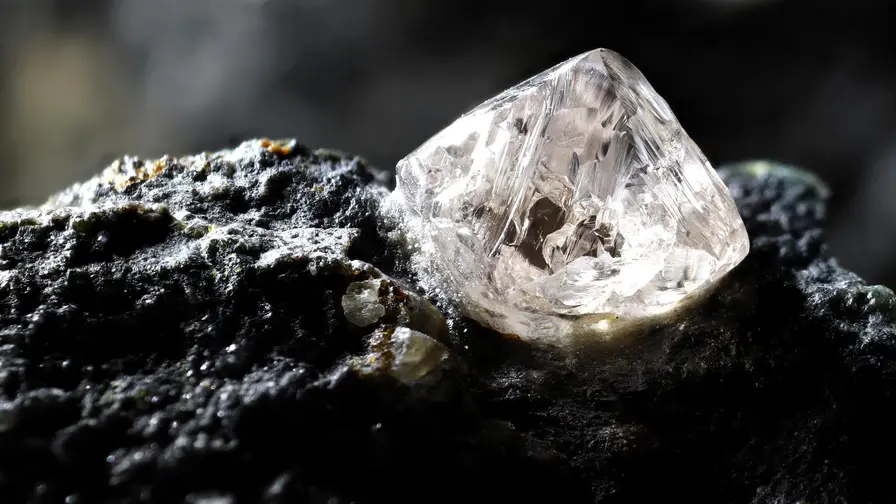
A slice of a carbonaceous chondrite meteorite.
The result points toward a subgroup of carbon-rich meteorites called Carbonaceous Ornans, or CO meteorites. To put that in perspective: carbonaceous chondrites themselves account for under five percent of meteorites that reach Earth. CO-types are a tiny sliver of that slice. In short: the dinosaurs didn’t just lose a roll of the dice. They drew a one-in-a-couple-of-million card.
Philippe Claeys, a geologist involved in the study, notes that an impactor of this pedigree is not what you typically find on display in museums. Jupiter normally acts as a guardian, corralling the most distant debris. That a roughly 10-kilometer object from so far out slipped through is, as Claeys puts it, a striking piece of bad luck.
Why does the meteorite family matter? Because composition shapes consequence. Early theories placed heavy blame on sulfur blown into the atmosphere by the impactor, which would have fallen as acid rain and poisoned soils and seas for years. But CO meteorites are relatively poor in volatile elements — carbon, zinc, water and particularly sulfur — compared with other carbonaceous varieties.

Residue of the Cretaceous-Paleogene impact. Dark clay-rich KT boundary layer in Stevn's Klint, Denmark used in the study.
That shifts the focus. The violent grinding of target rocks and the vast quantities of fine dust lofted into the stratosphere likely did the most climatic damage. The impactor’s rarity therefore alters the narrative about which ingredients made the post-impact environment so hostile.
The isotopic analysis also helped rule out other candidate meteorite classes that had been favored previously, narrowing the provenance of the killer rock in a way that strengthens reconstruction of the sequence of events on that planet-altering day.
There’s a stubborn human element to these findings: randomness. Not every large impact causes mass extinction. Angle, location, season and — as this study shows — the specific chemistry of the incoming body all stack together. The dinosaurs were not just unlucky in timing or place. They were unlucky in origin.
We can learn from that lottery ticket. Tracking the population and compositions of near-Earth objects matters not just for predicting impacts, but for anticipating what an impact could actually do. After all, not every cosmic rock writes the same ending.

Leave a Comment
Comments
No comments yet. Be the first.