
4 Minutes
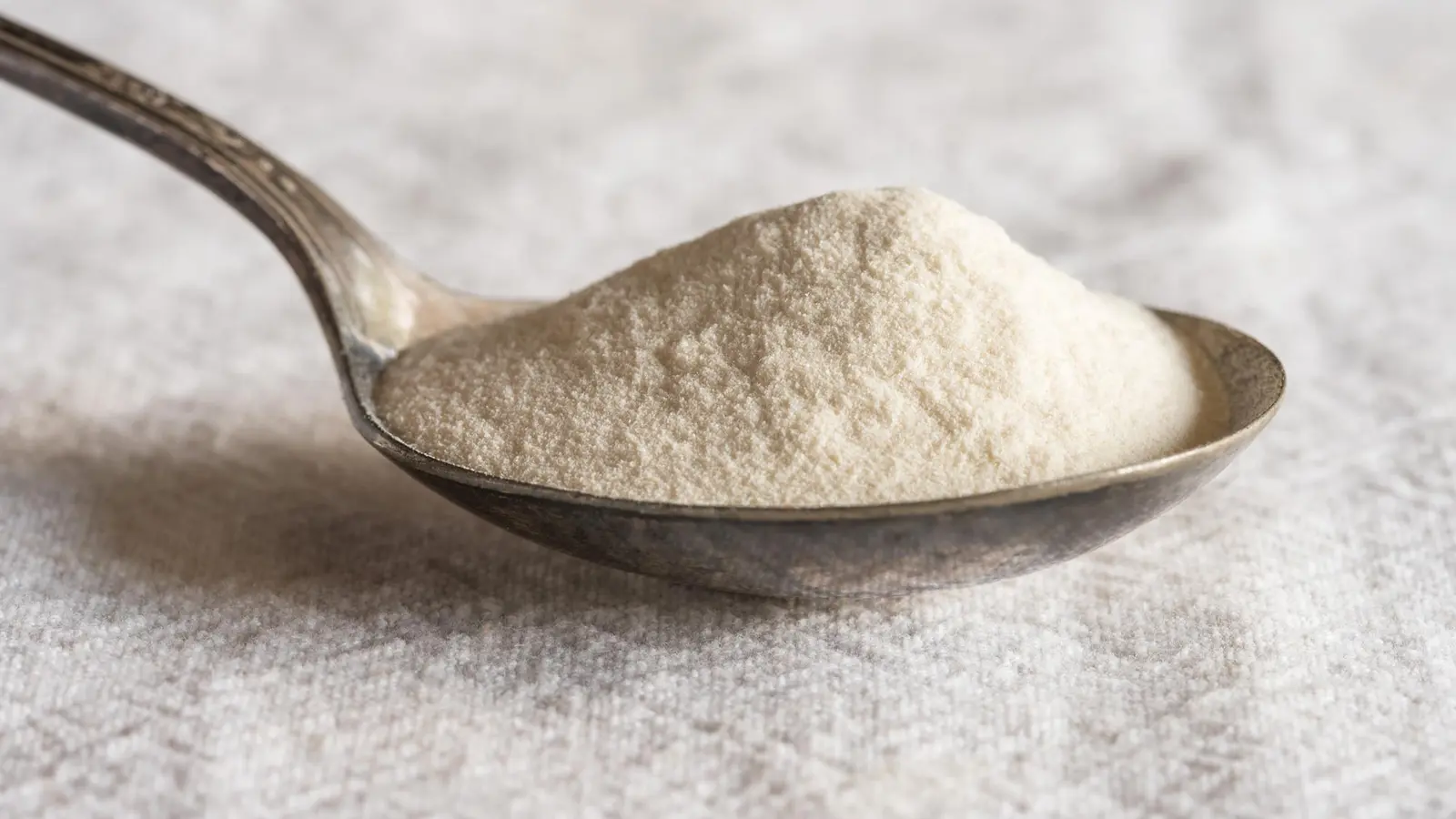
Imagine a kitchen staple quietly nudging the lining of your gut, day after day. That is the uncomfortable picture painted by a new study from the Federal University of São Paulo (UNIFESP), which finds that prolonged exposure to the ubiquitous thickener xanthan gum can lead to structural changes and inflammation in the colon of rats.
Xanthan gum is everywhere. It gives ice cream its silk, stabilizes sauces, and is a go-to for gluten-free baked goods and dysphagia thickeners used by people who struggle to swallow. Produced by fermenting material with the bacterium Xanthomonas campestris, the additive has a long safety history—until researchers decided to look at what happens after consistent, repeated intake.
Researchers led by nutritionist and speech-language pathologist Alessandra Rischiteli exposed rats to xanthan gum for ten weeks. The result was not subtle: animals developed clear signs of colon inflammation, shifts in their gut microbial composition, and measurable weakening of the intestinal barrier. The work, coordinated by Claudia Oller and supported by FAPESP, was published in PLOS One.
Why does this matter? Because some groups consume xanthan gum every day. Children and older adults with dysphagia often rely on thickeners to get enough nutrition, while the additive also appears frequently in ultra-processed foods, protein supplements, and shakes. If a compound is harmless in occasional use but problematic when used chronically, that distinction changes how clinicians and regulators should think about safety.

How did the researchers connect the dots from additive to inflammation? They probed the intestinal barrier and homed in on a protein called claudin-2, which helps regulate permeability between epithelial cells. In the xanthan-fed rats, claudin-2 expression rose and the barrier grew leakier. That permeability appears to set off an inflammatory cascade: tissue samples showed more lymphocytes in the intestinal wall and raised levels of pro-inflammatory cytokines, notably IL-1β and TNF-α. TNF-α, in particular, is infamous for promoting epithelial cell death and advancing inflammatory disease.

This study indicates that daily exposure to xanthan gum can open the gut barrier and spark inflammation in a mammalian model.
Microbiome changes were more nuanced. Overall diversity did not collapse, but the balance among microbial groups shifted—a hallmark of dysbiosis. One notable rise was in bacteria from the phylum Elusimicrobiota, a group previously linked to inflammatory conditions. So, even without wholesale loss of species, the ecosystem tilted toward a more inflammatory profile.
These findings help make sense of earlier clinical red flags. In 2012, U.S. clinicians reported an outbreak of necrotizing enterocolitis in premature infants who received formula thickened with xanthan gum; several infants died and the U.S. Food and Drug Administration went on to restrict its use in preterm babies. Until now, that association had been largely circumstantial. The UNIFESP rat study strengthens the causal argument by showing a plausible biological mechanism—barrier disruption, immune activation, microbial shift—that can occur after repeated exposure.
Still, the authors are careful not to call for a blanket ban. 'This isn't about demonizing xanthan gum,' Rischiteli says. Instead, the message is pragmatic: we need translational studies in humans and clinical vigilance where daily use is common. For patients who depend on thickeners to swallow safely, the priority remains maintaining nutrition while minimizing potential harm. Strategies such as regular monitoring of gut health and targeted probiotic use are offered as interim measures.
The study also dovetails with broader dietary advice. Additives concentrated in ultra-processed foods are best consumed sparingly, and this research gives one more reason to prefer whole foods when feasible. For clinicians, caregivers, and manufacturers, the paper raises a practical question: how do we balance the clear benefits of texture-modifying additives against possible long-term effects on the gut?
Science rarely hands down simple verdicts. What it does provide are mechanisms, measured effects, and pathways for further study. As researchers plan human trials and clinicians weigh immediate patient needs, the quiet presence of a common thickener in millions of diets deserves a fresh look—especially where daily, lifelong exposure is possible.


Leave a Comment
Comments (2)
I work with older patients who use thickeners, this makes me uneasy. Can't risk malnutrition, but maybe regular gut checks, tweak textures, probiotics? ugh.. tricky balance
Is this even true? Rats 10 weeks of xanthan gum = leaky gut, inflammation... humans are different but still, kinda alarming for people on daily thickeners. Need real human trials, not panic tho