
2 Minutes
Samsung isn't promising flash. It's promising rigor. The company says its next-generation smart glasses will beat Meta's offerings by leaning on the hard-earned rules of smartphone engineering.
The device is being built in close collaboration with Google and Qualcomm, and Samsung has tapped premium eyewear partners Gentle Monster and Warby Parker to tune fit and finish. This isn't billed as a phone replacement. Instead, Samsung frames it as a way to extend the phone experience into a hands-free, wearable form. Short bursts of information. Persistent presence. Less lifting the handset.
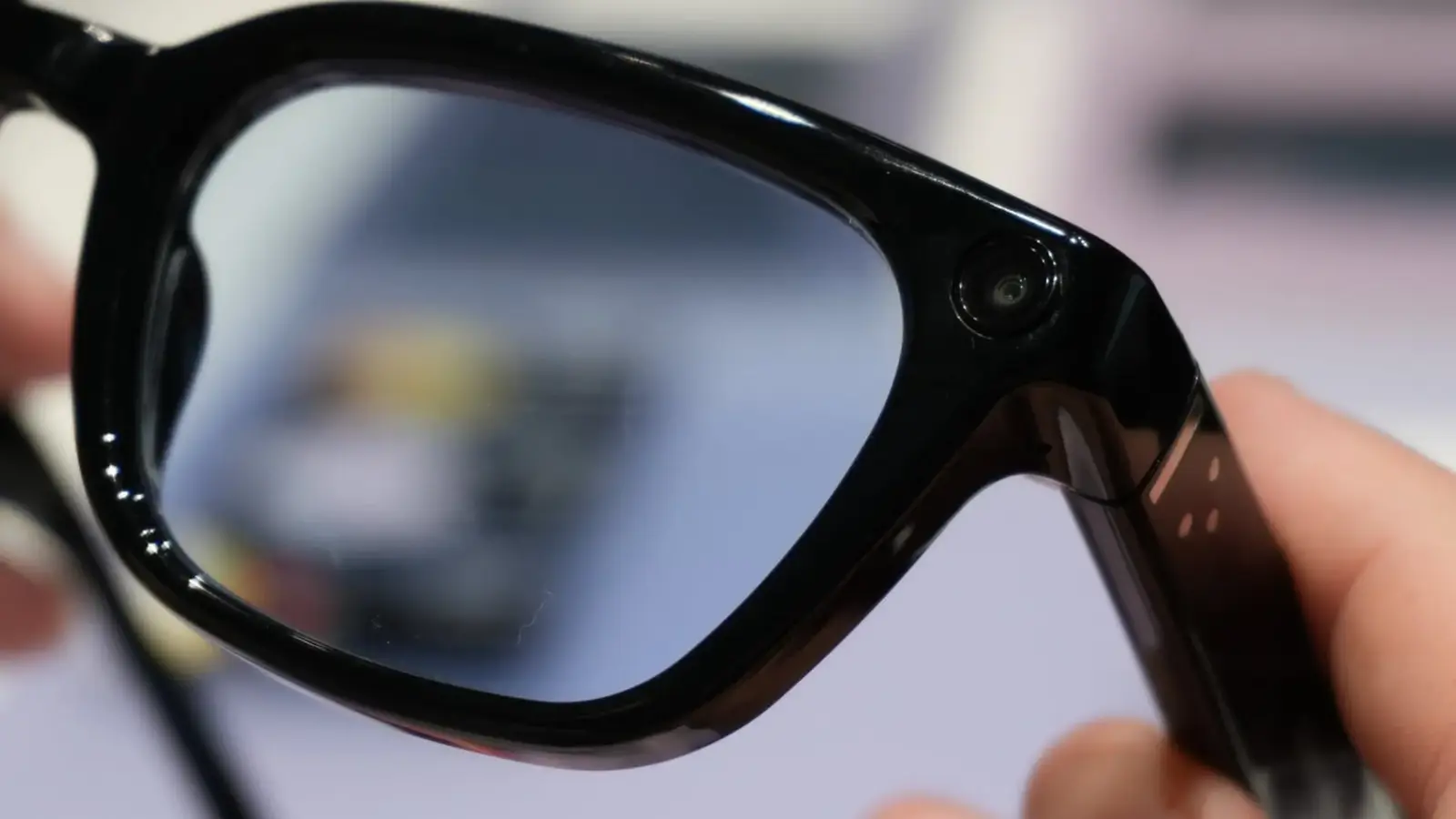
Choi Jae-in, who heads Samsung's extended reality R&D, stresses a different starting point: make a wearable that behaves like a mature mobile product. So the focus has shifted from flashy demos to practical concerns: weight, comfort and reliability. Expect materials and tolerances you normally see in high-end smartphones, not prototype wearables.
Samsung says it will hold its smart glasses to the same harsh tests it uses for phones.
Testing the details that matter
That claim isn't empty marketing. Engineers have designed about 20 new stress tests tailored to eyewear: repeated drop trials, simulations of extreme environmental conditions, and exposure to everyday chemicals—from sunscreen to makeup—so frames and seals survive real life, not just lab conditions. The goal is simple. If people are going to wear this all day, the thing must stay intact and comfortable for hours on end.

Ergonomics is a recurring theme. Teams have worked to shave grams off the frame while redistributing weight to avoid pressure points. Tiny changes in hinge stiffness and temple curvature can turn a novelty you wear for an hour into something you never take off. Samsung's pitch is pragmatic: build it like a phone, fit it like glasses.
There are obvious trade-offs. Packing display tech, batteries and processors into a frame that must still feel like eyewear is a design puzzle. Qualcomm brings silicon optimized for low-power, always-on experiences; Google contributes software integration; Samsung supplies decades of mobile craftsmanship. Put together, those pieces aim to deliver a more coherent product than we've seen so far in the market.
Will higher durability and lighter weight be enough to win mainstream buyers? That question will be answered not by press statements but by daily use—by commuters, parents, or anyone who needs quick, reliable eyes-on information without pulling out a phone. Either way, Samsung is betting that smartphone standards, when applied to glasses, change the conversation about what wearables should be.

Leave a Comment
Comments
No comments yet. Be the first.