
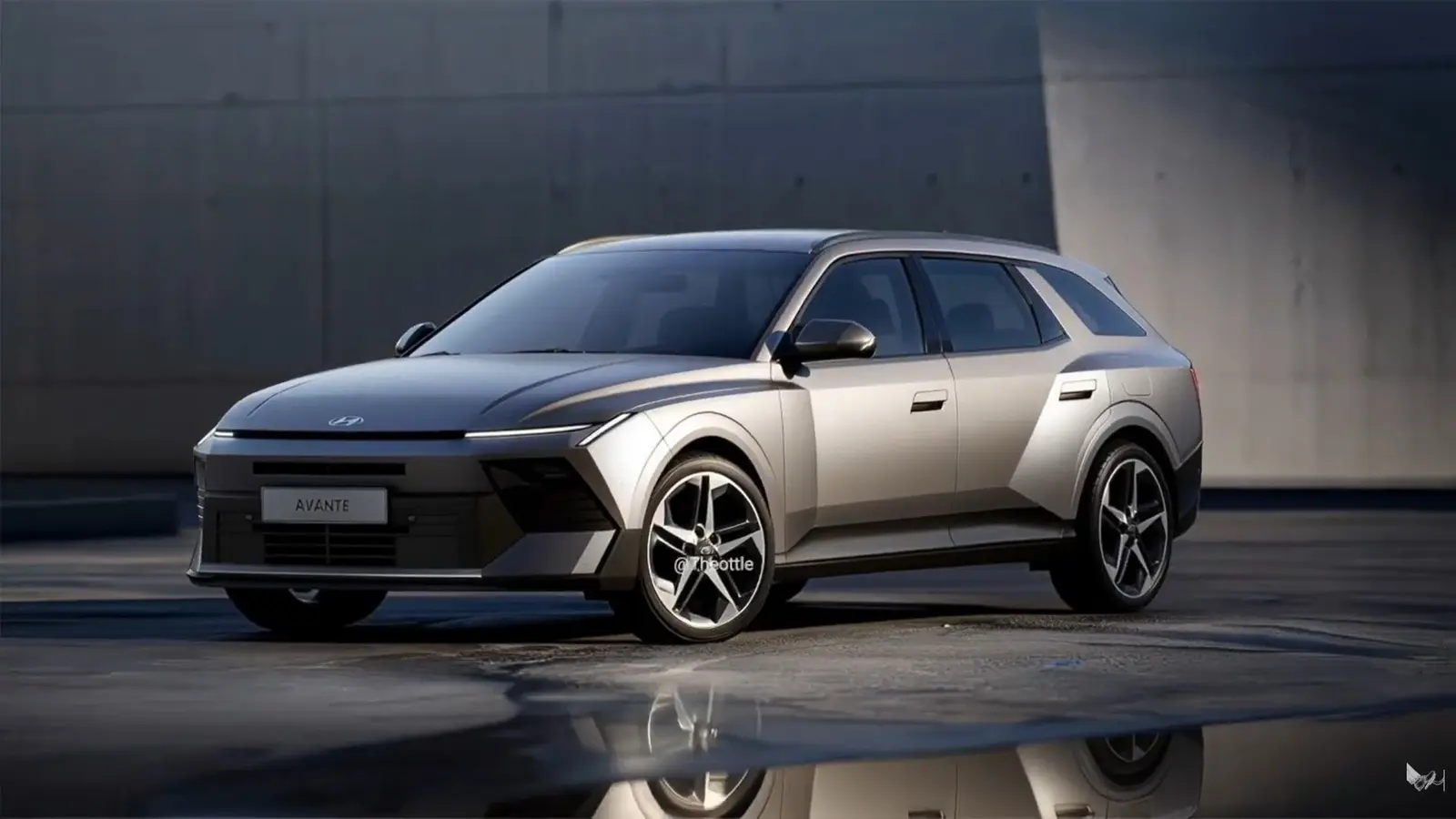
CGI Turns New Avante/Elantra CN8 into a Practical, Muscular Wagon
CGI artist Theottle has already given Hyundai’s fresh CN8 Avante — better known internationally as the Elantra — a new lease of life: a station wagon. The digital conversion is more than a styling exercise. It reframes the Elantra as a practical, sporty alternative to the ubiquitous crossover SUV, keeping the car’s bold, widebody character while adding extra cargo utility.
Why this matters: Hyundai and Kia momentum
Hyundai Motor Group has been enjoying a strong selling season. On August 1, 2026, Kia reported 75,857 deliveries for the month (up 7% year‑on‑year) and 506,584 units through July. Hyundai posted 82,480 units in July and 533,048 year‑to‑date — growth across sedans and crossover SUVs fueled by a broad powertrain line-up: gasoline, hybrid, plug‑in hybrid and battery electric models. With a new Tucson generation imminent, Hyundai is also preparing to expand passenger‑car offerings globally — starting with the CN8 Avante.

What the CN8 Avante brings to the table
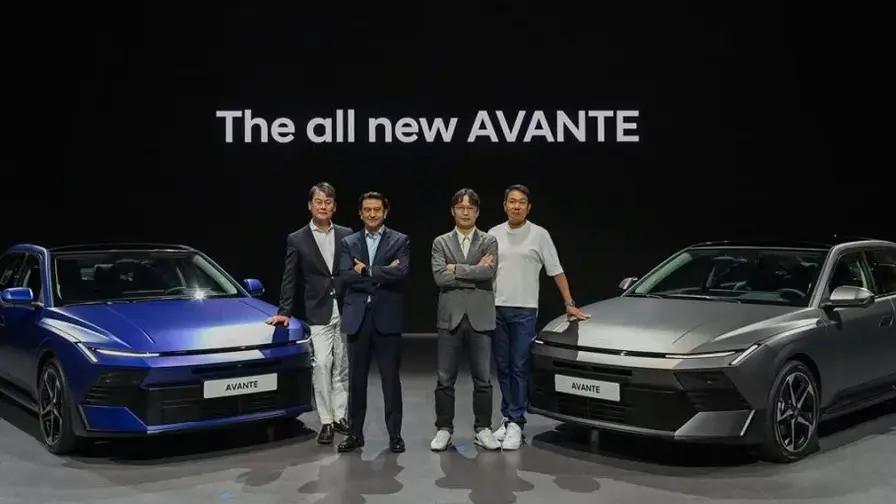
Revealed at the Busan International Mobility Show in June 2026, the eighth‑generation Avante/Elantra is larger, more angular, and adopts a muscular, widebody stance thanks to pronounced fender flares and aggressive surfacing. Hyundai’s new Pleos Connect infotainment system and revised powertrains are key upgrades. Domestic Korean sales are scheduled before year‑end, while international Elantra rollouts are expected in 2027.
That architectural canvas — a longer, wider body and strong rear haunches — is what inspired Theottle’s CGI wagon. The proportions make the transition from sedan to wagon visually believable, keeping the sci‑fi‑inspired lighting and supercar‑like fenders while extending the roofline to create cargo space.

From digital sketch to market idea
Theottle’s behind‑the‑scenes video explains the creative impetus: after Hyundai announced the global discontinuation of the i30 hatchback, there’s a potential hole in Europe for a practical passenger car. Wagons remain popular across many European markets, so an Avante Wagon could fill that gap.
Quote from the creator (paraphrased): 'Since the new Avante debuted, fans praised its bold styling. I asked: why not a wagon? The Avante’s larger proportions make it a natural candidate.'
Wagon benefits vs crossovers
A production Avante Wagon — if Hyundai ever considers it — would offer typical wagon advantages over small crossovers:
- Lower center of gravity for sharper handling and better ride comfort
- Better fuel efficiency potential with similar powertrains
- Greater cargo flexibility and a flatter load floor
- A sleeker silhouette for buyers seeking sportier styling than a tall SUV
For buyers who want utility without adopting a bulky high‑riding SUV, a muscular wagon could be an appealing alternative.
Speculation: what an Avante Wagon might offer
While purely speculative, an Avante Wagon derived from the CN8 could plausibly include:
- Hybrid and gasoline powertrains from the Elantra range (and possibly PHEV)
- Similar wheelbase but extended rear overhang for cargo volume
- Retained widebody fender treatment for a sporty look
- Pleos Connect infotainment and advanced driver assists
- European‑tuned suspension with optional comfort or sport setups
These are educated guesses based on Hyundai’s current strategy of offering varied powertrain options and technology across its compact range.

Market positioning: Europe first, U.S. a niche play
Europe is the most logical market for an Avante Wagon given the i30 hatchback’s exit and wagons’ continued popularity there. In the U.S., demand for wagons is smaller, but Hyundai could still position the model as a niche, premium‑leaning alternative — similar to how Kia offers both K4 sedan and K4 hatchback in some markets.
Hyundai’s dealers would need to weigh the costs of adding a wagon derivative against the broader shift toward SUVs and EVs. That said, a wagon leveraging existing CN8 architecture could be an efficient way to broaden choice without major platform investment.
Comparisons and the crossover question
Would an Elantra Wagon cannibalize crossover sales? Possibly at the margins. But it would also attract buyers who want carlike driving dynamics and practical cargo space — a customer slice that mainstream crossovers don’t always satisfy.
Final thoughts
Theottle’s Avante Wagon CGI does more than show off rendering skills: it spotlights a credible product idea that aligns with regional tastes and Hyundai’s current vehicle strategy. Whether Hyundai will ever greenlight such a model remains unknown, but the concept underlines one truth: there’s still room in the market for clever, car‑based utility that competes with SUVs on practicality — and beats them on style.
What do you think — should Hyundai turn this CGI Avante Wagon into a production reality in Europe or even bring a limited version to the U.S. market? Share your thoughts.


Leave a Comment
Comments
No comments yet. Be the first.