
Imagine a librarian working at night, sliding fragile new books onto a shelf so they won’t be lost by morning. That’s what parts of your brain do while you sleep: they quietly sort and strengthen the memories you made during the day.
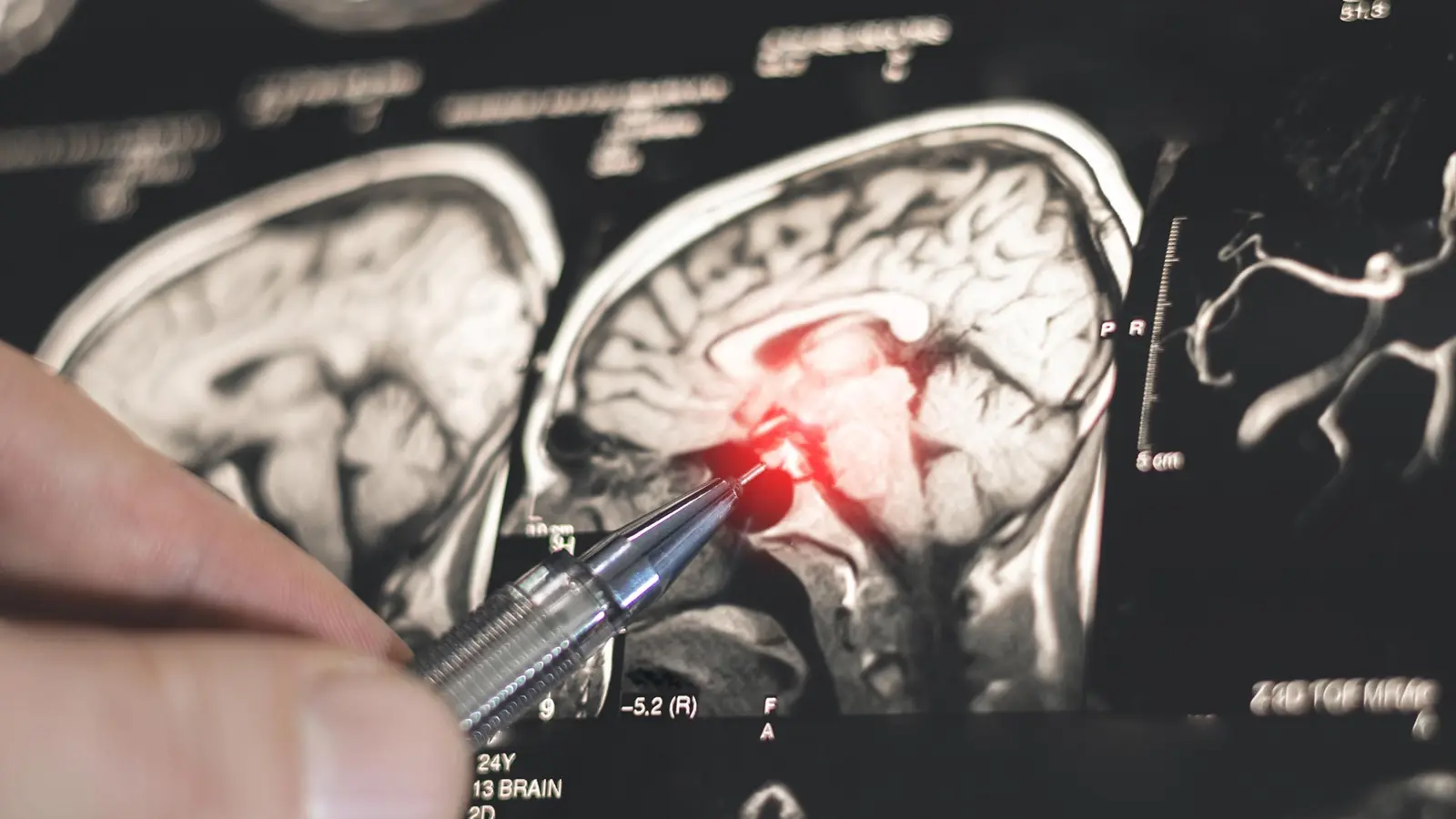
Scientists at Kennedy Krieger Institute and Johns Hopkins Medicine tracked that nocturnal bookkeeping and found three brain regions—the orbitofrontal cortex, the thalamus, and the hippocampus—fall into a coordinated rhythm that appears to preserve newly formed memories. When those regions fall out of step, people tend to forget more.
This study is the first direct human evidence that orbitofrontal–thalamic–hippocampal coordination during sleep supports memory consolidation.
The team listened for several types of electrical choreography: slow neural oscillations, the brief bursts known as sleep spindles, and fast hippocampal ripples. In healthy coordination, these rhythms line up across the three structures like musicians locking into a groove. But in patients with epilepsy, sudden epileptic spikes can cut the rhythm short—an untimed drumbeat that throws the whole ensemble off.

To reach these conclusions researchers recorded intracranial activity from people with epilepsy as they slept, then compared the degree of synchronization to each person’s memory performance. Stronger synchronization matched better recall. More frequent spikes coincided with weaker memory. The pattern was consistent and telling.
“We haven’t understood why patients with epilepsy have problems with memory,” said Dr. Catherine Chu, co-author and pediatric epilepsy specialist. The new findings help explain that gap: epileptic activity doesn’t just damage tissue, it can subtly sabotage the nightly conversations between memory regions.
These insights came from an interdisciplinary effort that married clinical recordings with mathematical tools to extract meaningful patterns from dense neural data, a process Mark Kramer, a co-author and applied mathematician, likened to finding melodies inside a cacophony.
The practical takeaway is immediate: if epileptic spikes disrupt the brain’s sleep-dependent memory process, then treatments or monitoring that reduce those spikes at night might preserve cognitive function. New biomarkers could guide therapies and help clinicians spot which patients are at risk for memory decline.
So the next time you think sleep is idle time, remember: it’s rehearsal. And for people with epilepsy, protecting that rehearsal could mean protecting the stories that make us who we are.


Leave a Comment
Comments
No comments yet. Be the first.