
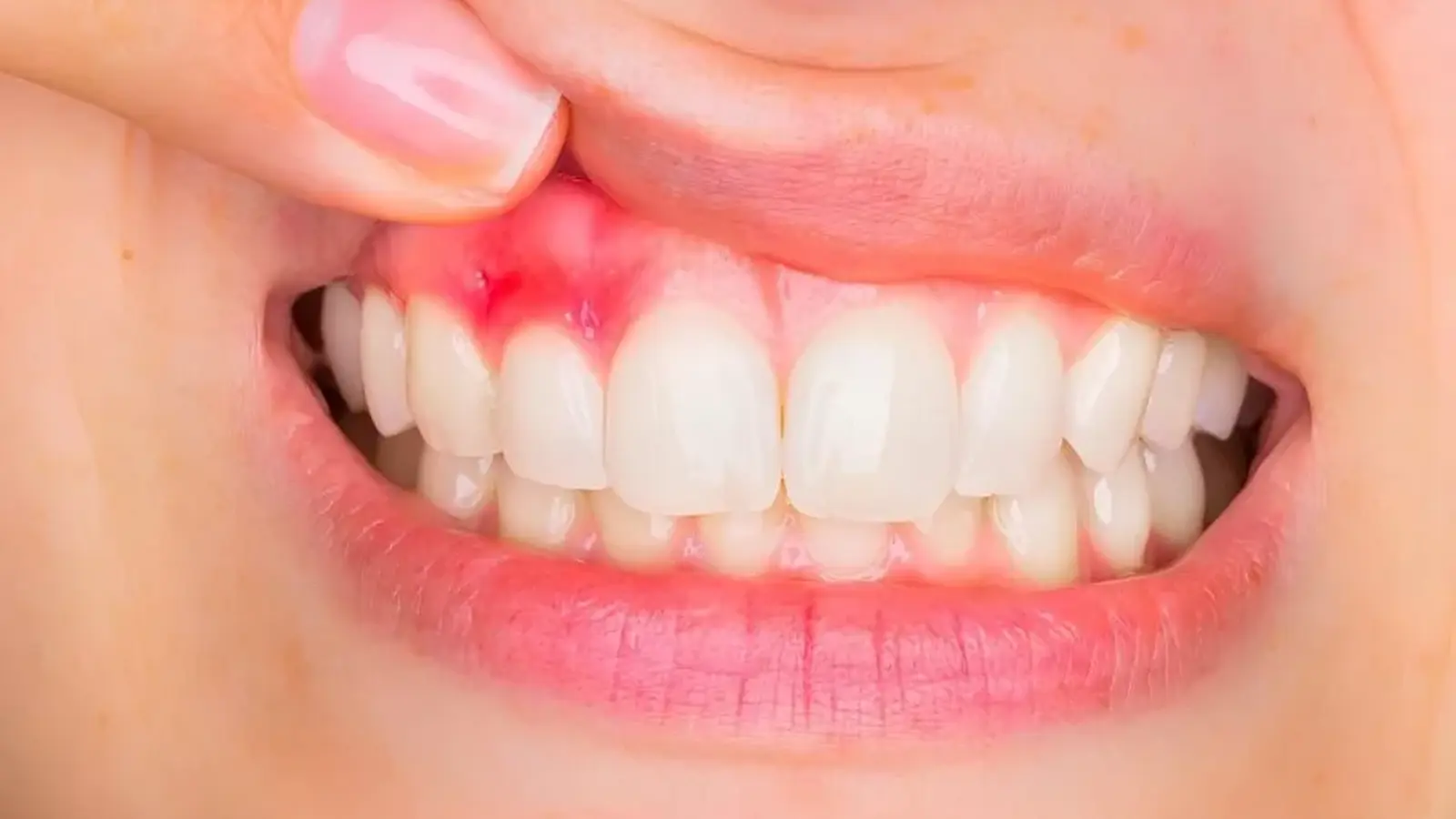
Ask your dentist a question you might not expect: could your gums be hinting at a metabolic problem? A growing body of research suggests they can. New analysis from Egas Moniz Institute in Portugal pulls together data from 28 studies across 16 countries and reads like an eye-opener: severe gum disease often precedes a diagnosis of type 2 diabetes.
Researchers tracked roughly 29,000 people for between five and twenty years. The finding was consistent. Those who began the studies with periodontitis — the advanced form of gum disease — faced an 18 to 25 percent higher chance of receiving a new diagnosis of type 2 diabetes than participants whose gums were healthy. Complete tooth loss carried an even starker signal: edentulous people had about a 30 percent higher risk.
What explains the link? Think of inflamed gums as a slow-burning fuse. Periodontitis creates chronic local inflammation; bacteria and inflammatory molecules can slip into the bloodstream. Once systemic inflammation rises, the body’s response to insulin can falter. Over time, that impaired insulin sensitivity sets the stage for type 2 diabetes. The relationship runs both ways. High blood sugar blunts tissue repair and weakens immune defenses, leaving people with diabetes more vulnerable to severe oral infections and tooth loss.

These are not just lab curiosities. The statistical patterns imply a practical change in how we view oral and metabolic health: they are deeply connected, not separate kingdoms. Dentists may unknowingly be front-line clinicians for spotting metabolic risk. Conversely, people with diabetes should receive regular, proactive oral-health checks to prevent complications before they spiral.
Signs to watch for are straightforward: swollen or receding gums, persistent redness, and bleeding with brushing are red flags — not drama, but data. A talk with a dentist about these symptoms, combined with routine screening for diabetes risk factors, can speed diagnosis and open a window for prevention.
The findings appear in The Lancet Public Health and add to a growing chorus urging integrated care. So next time you sit in the dentist’s chair, remember: it could be more than a dental checkup — it might be an early health warning worth heeding.

Leave a Comment
Comments
No comments yet. Be the first.